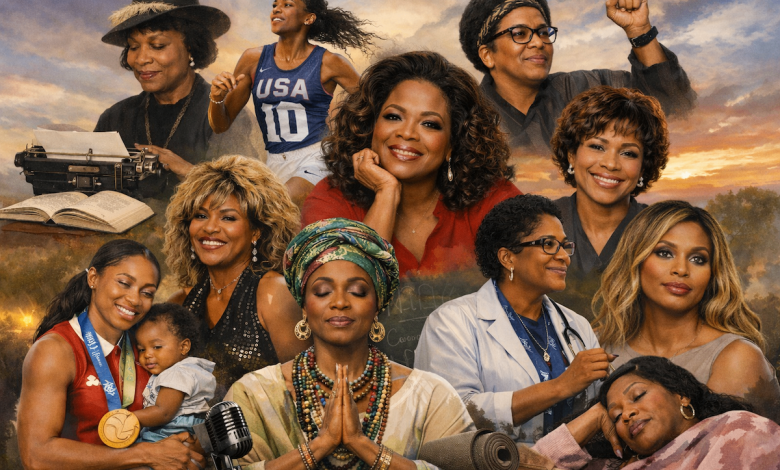
In honor of Women’s History month, this celebrates the cultural figures – writers, artists, activists, athletes, etc – who shifted the conversation about what health and well-being is.
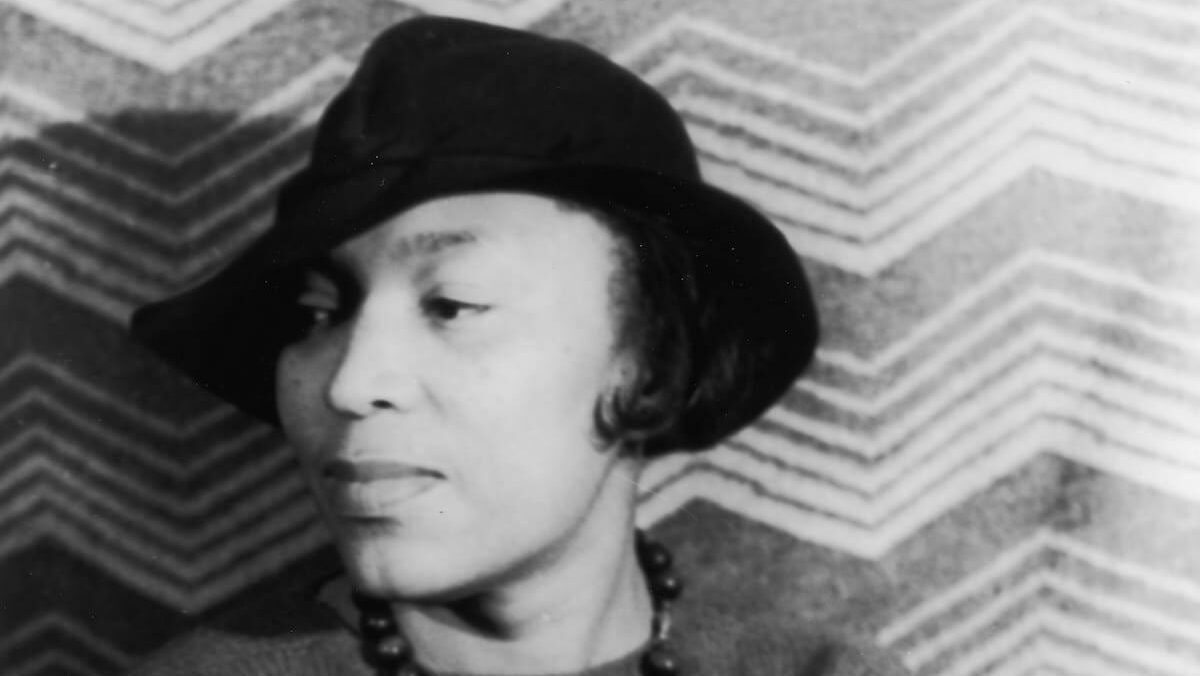
Zora Neale Hurston: The Foundation
Novelist, anthropologist, and Harlem Renaissance original, Hurston worked upstream of every other woman on this list. While it is true others reshaped medicine, mental health, spirituality, and advocacy, Hurston asked the foundational question: who gets to be a full human being? Because if the answer is not you, no framework downstream corrects that. You cannot treat, advocate for, or spiritually sustain a person the world refuses to see as whole. Her characters — complex, sexual, autonomous, unapologetic — forced that recognition onto the page at a time when Black women were only permitted to be survivors. She didn’t shift the conversation about health. She laid the ground every other conversation stands on.
RELATED: 10 Life-Changing Inventions Made By Black Women
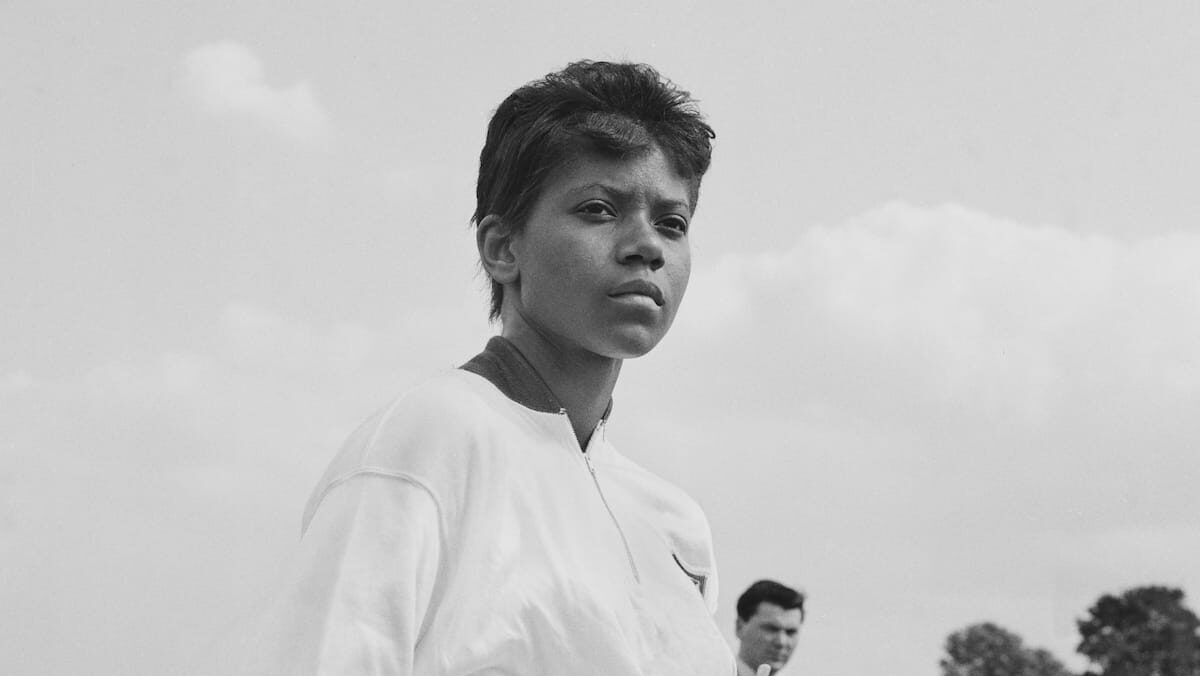
Wilma Rudolph: Sickness Is Not Your Sentence
Wilma Rudolph was told, explicitly by medical professionals, that she would never walk normally. She had survived polio, scarlet fever, and pneumonia before she was twelve. Then she made a lie out of the medical industry, not only by walking, but by becoming the fastest woman in the world. A miracle, indeed. But it was also a case study in refusing the prognoses handed to us. She redefined health by showing us outcomes are far more determined by mindset than diagnosis alone.
Audre Lorde: Self-Preservation as Political Warfare
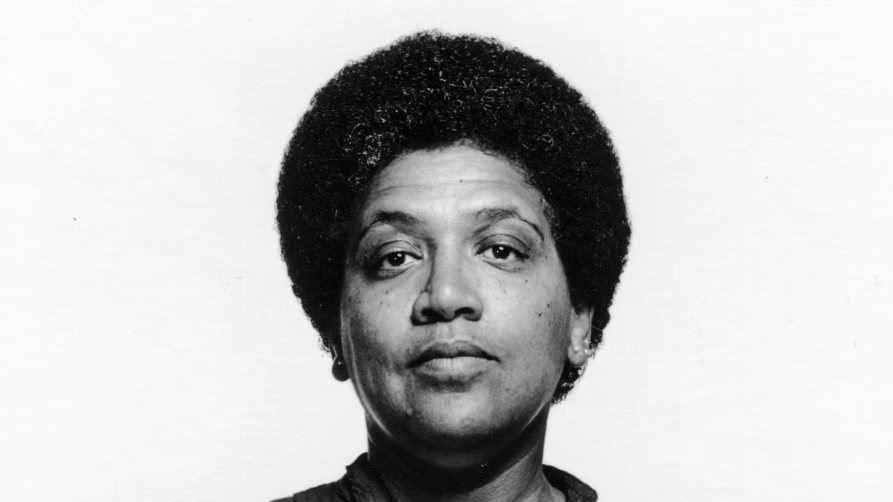
Audre Lorde wrote the most quoted sentence in wellness history while she was dying of cancer: “caring for myself is not self-indulgence, it is self-preservation, and that is an act of political warfare.” She wasn’t writing about bubble baths. She was dying of liver cancer, still fighting against apartheid, and for the first time, showing that for Black women living under conditions meant to wear them down, rest is not a reward. It is sacred rebellion.
Bebe Moore Campbell: Mental Health is Health Too
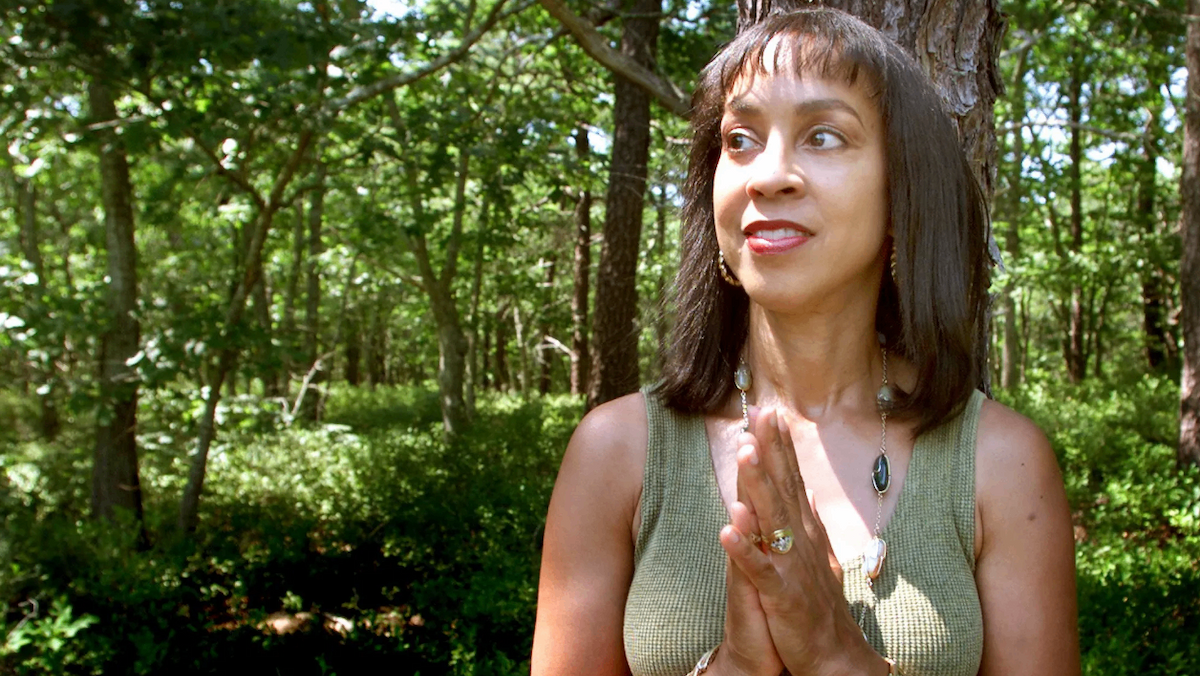
Bebe Moore Campbell said out loud what Black communities had long refused to say quietly: that we get sick in the mind, too, and that silence is killing us. She looked at her own family and refused to call it anything other than what it was: mental illness. In a culture that had survived so much by not naming what was breaking it, she named it anyway – and the healing it required – in her novels, in her community, in the halls of Congress. She didn’t just break the silence. She made breaking it a matter of public record by co-founding NAMI’s first Black chapter and pushed Congress to designate July as Bebe Moore Campbell National Minority Mental Health Awareness Month. She didn’t live to see it pass. But July is now hers.
Tina Turner: There Are Other Doors
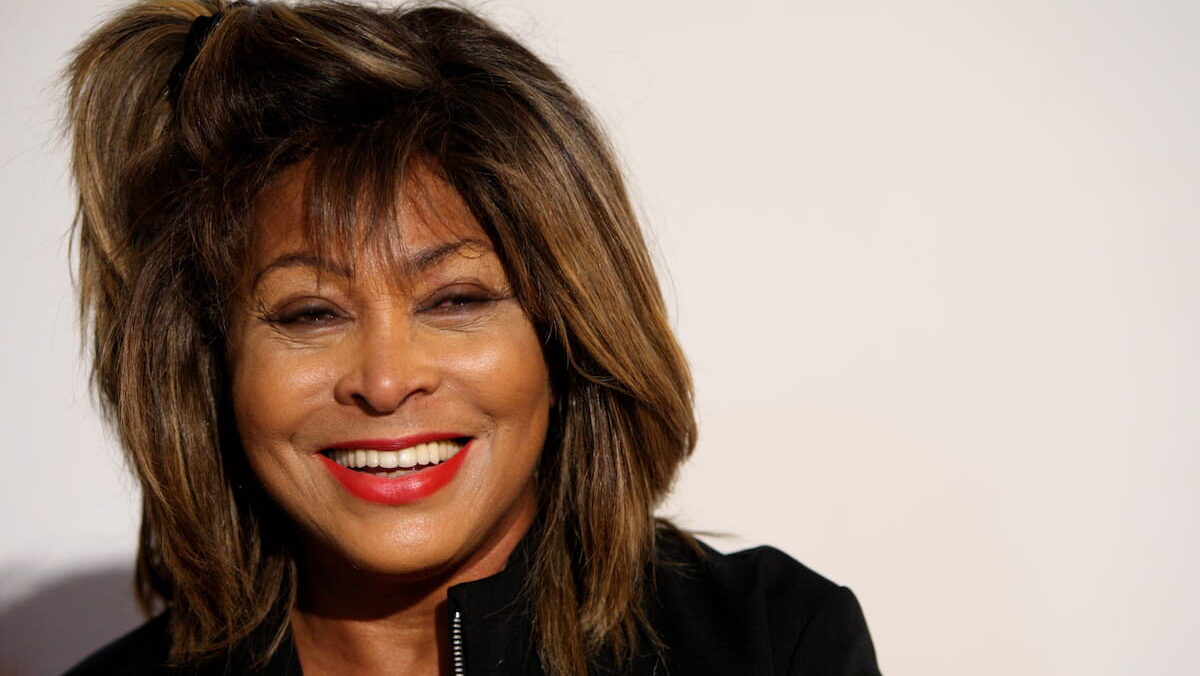
Tina Turner making it out of an abusive relationship was not the most striking part of her story. It was that she — a Black woman from the rural South, raised in the church — did not reach for the Bible. She found her way out through Buddhism and showed every Black woman watching that healing doesn’t have to come through what we were handed. For Black women who had only ever been offered one door, she walked through another and left clues. Her lifelong testimony about chanting confirmed that to be found wanting beyond Christianity does not disinherit us of the healing we are worthy of. Her life proved the journey to health has many paths.
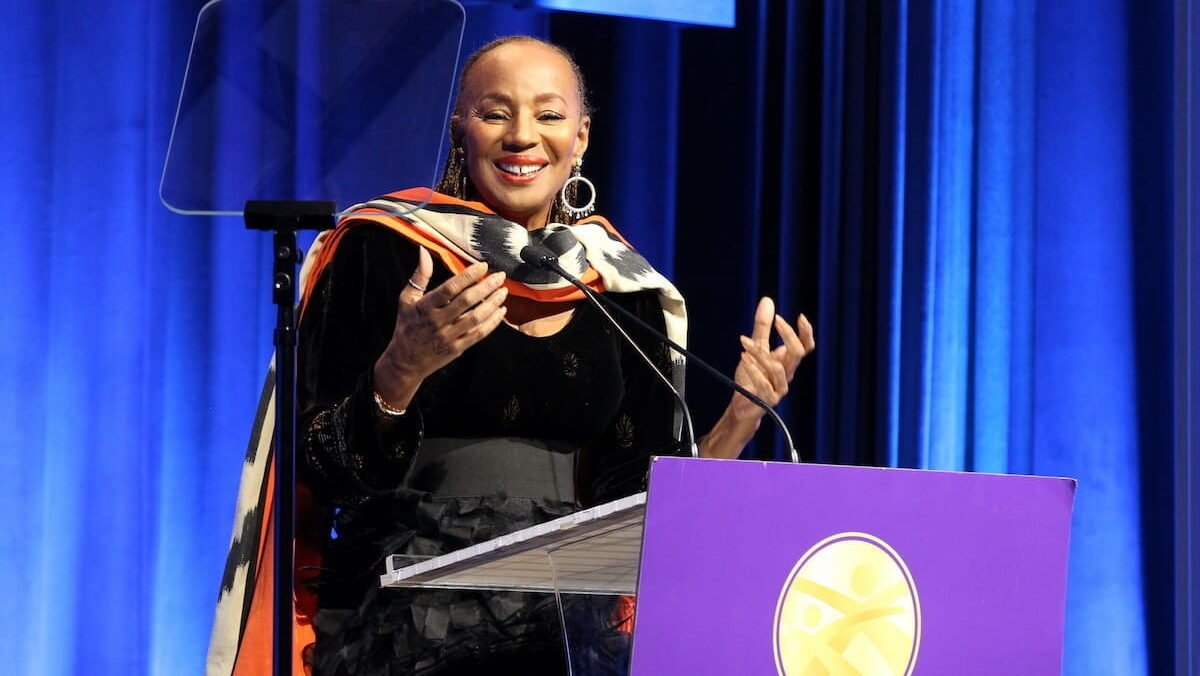
Susan L. Taylor: Wholeness Is More Than Beauty
Susan L. Taylor spent decades at the helm of the most widely read Black women’s magazine in America and used every inch of it to argue that outer beauty was the smallest part of the story. Her In the Spirit column was not a beauty or lifestyle column. It was a wellness manifesto before one existed, where week after week she insisted that Black women’s spiritual health, self-worth, and inner life were the foundation for all well-being to emerge. She said it so consistently, so early, that many forgot she was the pioneer.
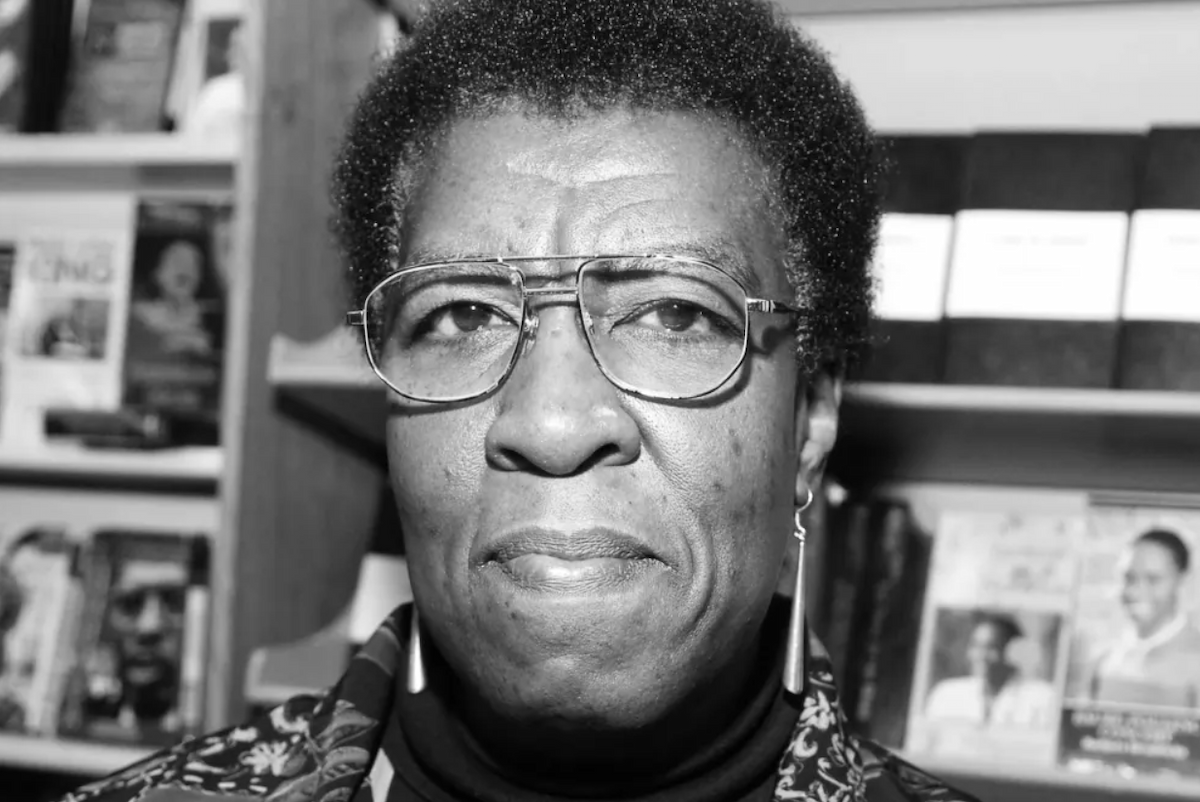
Octavia Butler: Rest as Resistance
Science fiction writer Octavia Butler redefined rest as a requirement for survival, not a reward for productivity. In her essays and interviews, Butler spoke candidly about depression, chronic illness, and the radical act of slowing down in a world that demands Black women stay “on”. She didn’t call it self-care. She called it staying alive. Her work challenged the toxic grind culture that treats exhaustion as virtue, reminding us that preserving ourselves – our creativity, our sanity, our bodies – is an act of resistance when the world would rather work us to death. Health is what we claim, not what is acted upon us.
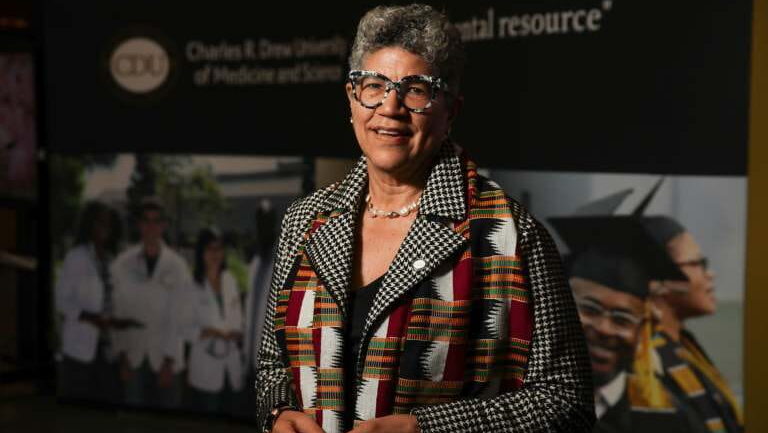
Dr. Deborah Prothrow-Stith: Violence Is a Public Health Crisis
Dr. Deborah Prothrow-Stith did something that sounds obvious now but was radical when she did it: she walked into emergency rooms full of young Black men with gunshot wounds and said this is not a Black people problem, nor was it just a crime problem. It was a cultural problem and a public health crisis. She reframed violence prevention as a medical discipline, insisting that the conditions producing injury — poverty, neglect, and lack of opportunity — were as treatable as the wounds themselves. In doing so, she forced a reckoning with what doctors believed was their job.

RELATED: Menopause Needs a Rebrand — Halle Berry’s Mission to Empower Women Everywhere
Halle Berry: Menopause Is Not Something You Endure
Halle Berry, struggling with severe pain, hot flashes, brain fog, and intense vaginal dryness, named the silence around menopause as a medical failure — not a personal one. She built a platform, pushed for federal research funding, and said out loud what most women had only felt: that a transition affecting every woman alive had been left underfunded, understudied, and unspoken because medicine had decided women should just white-knuckle it. She didn’t frame it as her story. She framed it as a system failing on purpose. For the millions suffering in silence, her courageous disclosure made possible unapologetically and meaningfully responding to our pain, and demanding medicine to do the same.
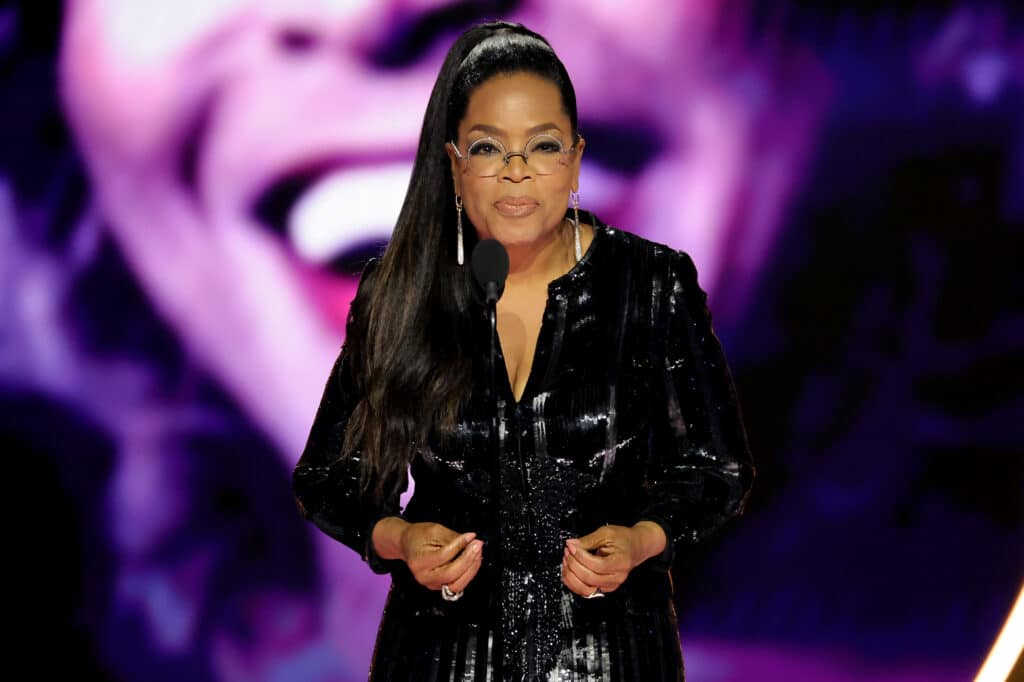
Oprah Winfrey: Feeling Your Feelings Is Not a Luxury
Oprah didn’t invent therapy, but she brought it into living rooms that had never once entertained the idea that Black women’s inner lives deserved examination and to be held. For decades, she modeled — publicly, imperfectly, repeatedly — what it looks like to offer reverence to your own emotional experience. In a culture that tells Black women to pray it away and push through, she kept asking: but how does that make you feel? That question, at scale, shifted our beliefs from therapy as privilege to therapy as vital to whole health.
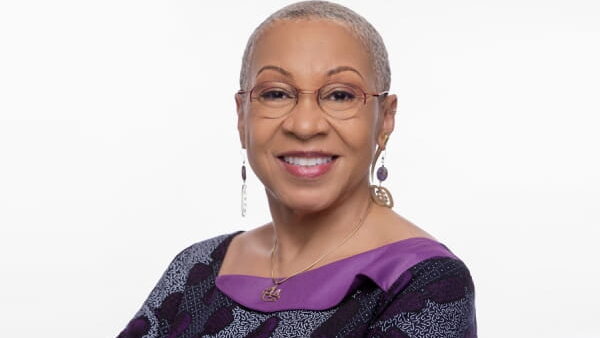
Dr. Joy DeGruy: Naming What Trauma Does to the Body
Dr. Joy DeGruy gave the medical and mental health establishment a framework it didn’t have — a frame it could not generate itself because it had spent generations pathologizing Black people’s pain without ever accounting for what history had done to them. Her theory of Post Traumatic Slave Syndrome argued that the trauma of slavery didn’t end with emancipation — it transmitted, generation to generation, showing up in Black bodies and psyches as depression, rage, and other health conditions we disproportionately suffer from. Her naming of PTSS forced a reckoning. The behaviors medicine had been calling unmanageable, seen through her lens, were logical responses to 400 years of systems designed to break Black people. That distinction — laying bare that responding to systemic warfare is not the same as being the problem — is one of the most significant reframes in the history of Black health. She didn’t insist that Black people needed to change. She handed the diagnosis back to the perpetrators, where it belonged, and insisted it was their gaze that needed adjustment.
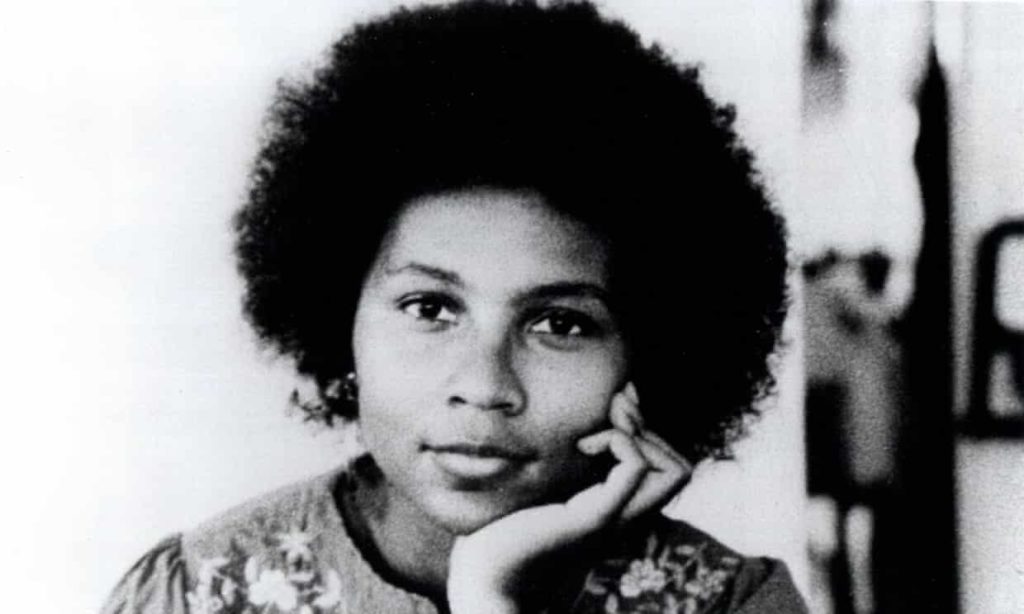
bell hooks: Love Is a Health Practice
bell hooks located the inability to love and be loved as a public health crisis hiding in plain sight. She argued that a culture built on the domination of Black bodies, of women, and of the poor produced people who did not know how to love themselves, and therefore could not sustain it toward others. Wellness, for hooks, began with the interior – not exterior. Not fitness, not diet, not even rest – but the radical rewiring of self-concept and self-worth that makes any of it possible.
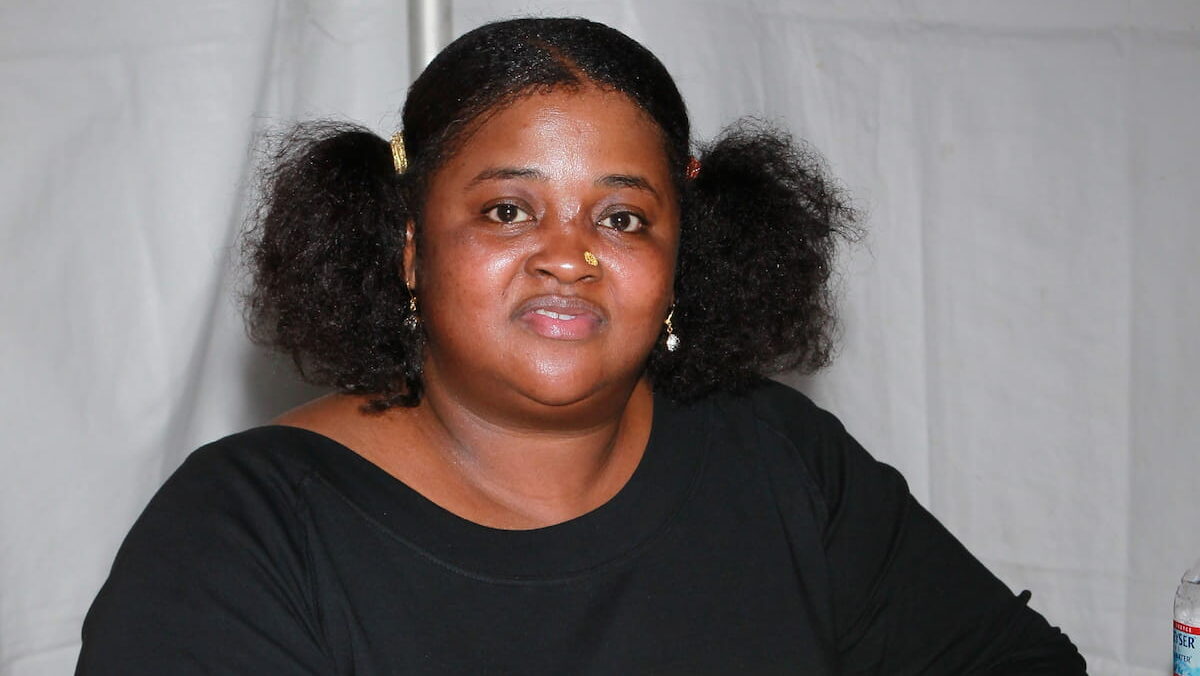
Sister Souljah: Consciousness Is the First Line of Defense
Sister Souljah argued something the modern wellness industry has still failed to center – confusion about your identity is a health risk. She positioned that a person, Black or otherwise, who does not know their history, their worth, or the forces actively working against them is not just politically uninformed, they are medically vulnerable. During a time when it was seen as controversial to do so, Sister Souljah reminded us internalized oppression lives in the body. She named this loudly, unapologetically, often and early – long before “intergenerational trauma” was a hashtag and people feared calling it what it was.
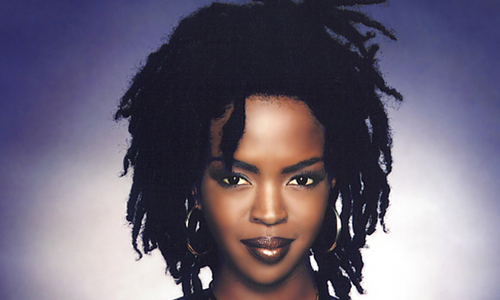
Lauryn Hill: Refusing to Perform Is an Act of Survival
Lauryn Hill didn’t write a wellness manifesto. She had a very public breakdown and refused to sanitize it for anyone’s comfort. What she named – the music industry’s extraction of Black women’s creativity, the cost of pretending wholeness while being actively harmed – was a health conversation she forced whether she meant to or not. Her refusal to keep showing up on the industry’s terms wasn’t a mental collapse. It was a body saying no more before the mind had language for it. Lauryn shifted how we think about claiming and prioritizing health on our own terms.
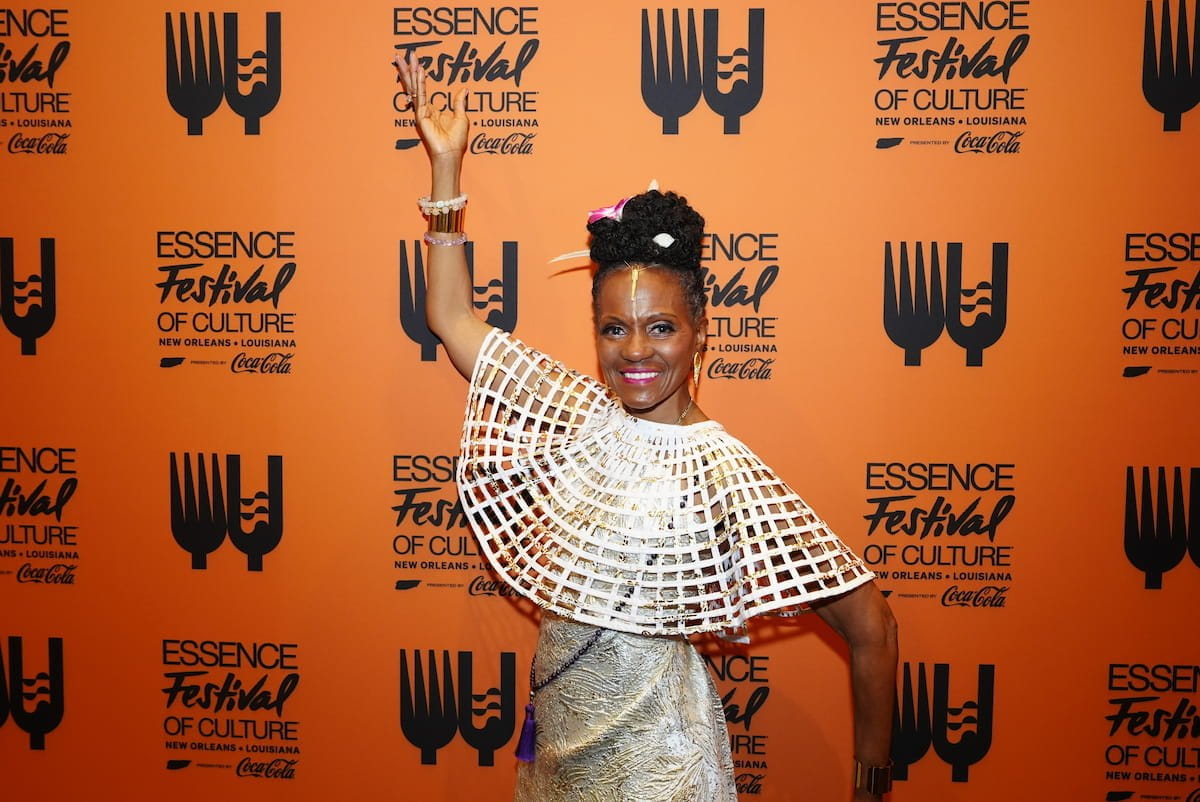
Queen Afua: What the Culture Forgot
Queen Afua brought ancestral healing into a conversation that had been entirely medicalized and largely whitewashed. She argued that Black women’s bodies carried generational trauma in their tissue. In fibroids. In fatigue. In the diseases disproportionately ravaging Black communities that Western medicine could diagnose but not cure. She rejected what Western medicine said was possible. And then she proved it wrong.
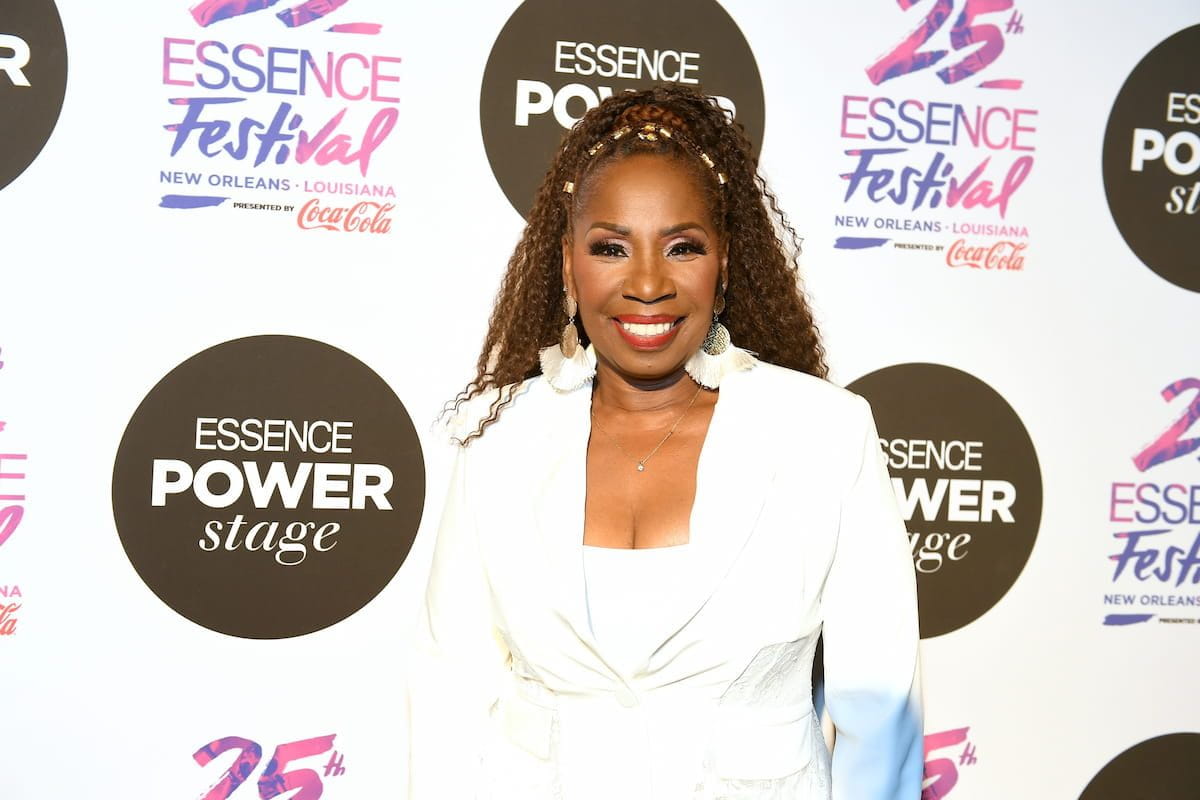
Iyanla Vanzant: Naming the Wound Is the First Medicine
Iyanla Vanzant built an entire body of work around one radical premise: that Black women had been so conditioned to carry pain silently that they had mistaken suffering for strength. She didn’t just invite Black women to name the fatherlessness, the shame, the self-abandonment. She reframed those confessions as part of the diagnosis itself. In her hands, emotional honesty wasn’t vulnerability. It was the clinical first step in naming what medicine kept treating without ever understanding.
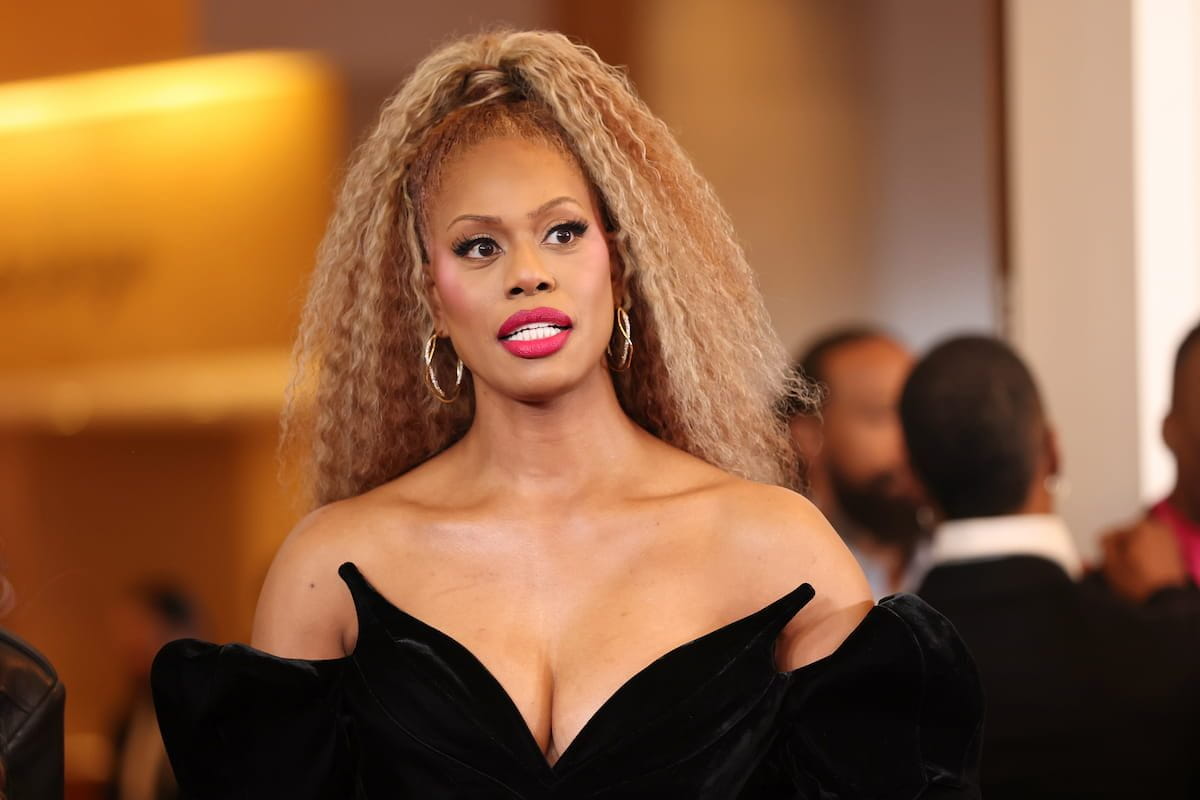
Laverne Cox: The Trans Body Is a Well Body
Laverne Cox expanded what Black women’s health even means by refusing to accept a medical and cultural framework that treated her body as a problem to be managed. She made visible the particular violence done to Black trans women — by medicine, by culture, by the very wellness spaces that claimed to be for “all women” — and demanded inclusion not as accommodation but as correction. She understood that to see yourself represented in the story of health is itself healing.
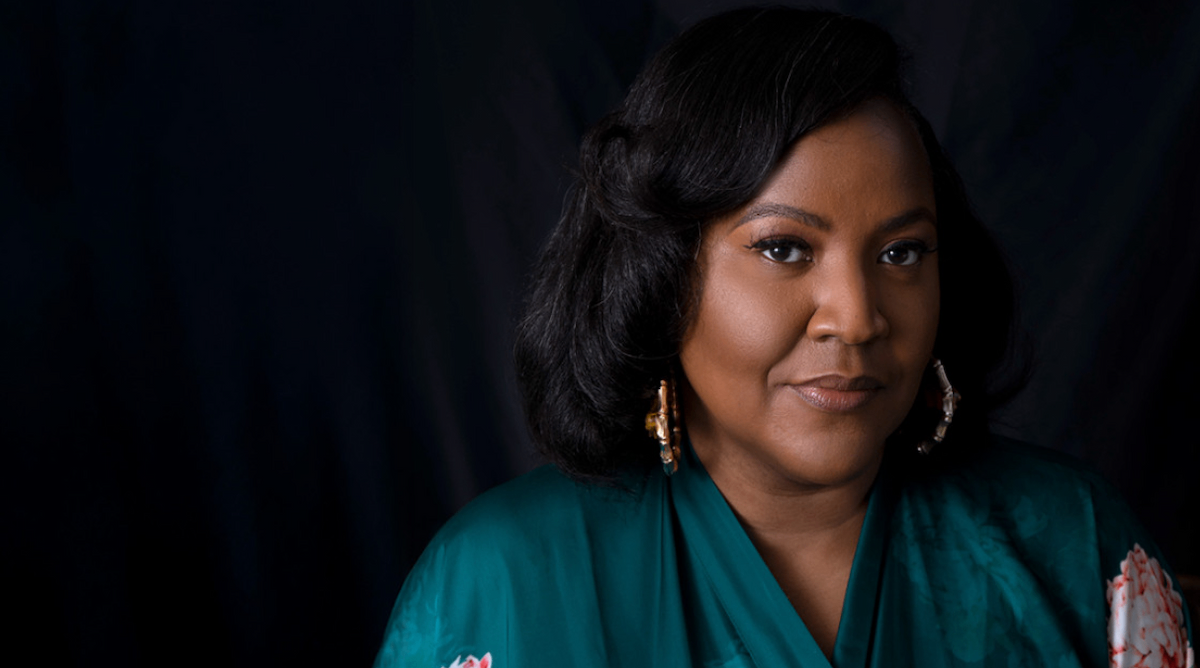
Tricia Hersey: Rest Is Reparations
Tricia Hersey didn’t reframe rest as self-care. She reframed it as a debt owed. The Nap Ministry wasn’t a wellness brand. It was a political argument that Black people in America have been chronically sleep-deprived by design, their labor extracted without limit since the first enslaved person was forced to work from dark to dark. To rest, she said, is to reclaim what was stolen. That reframe didn’t just go viral, it restructured how an entire generation thinks about exhaustion and health.
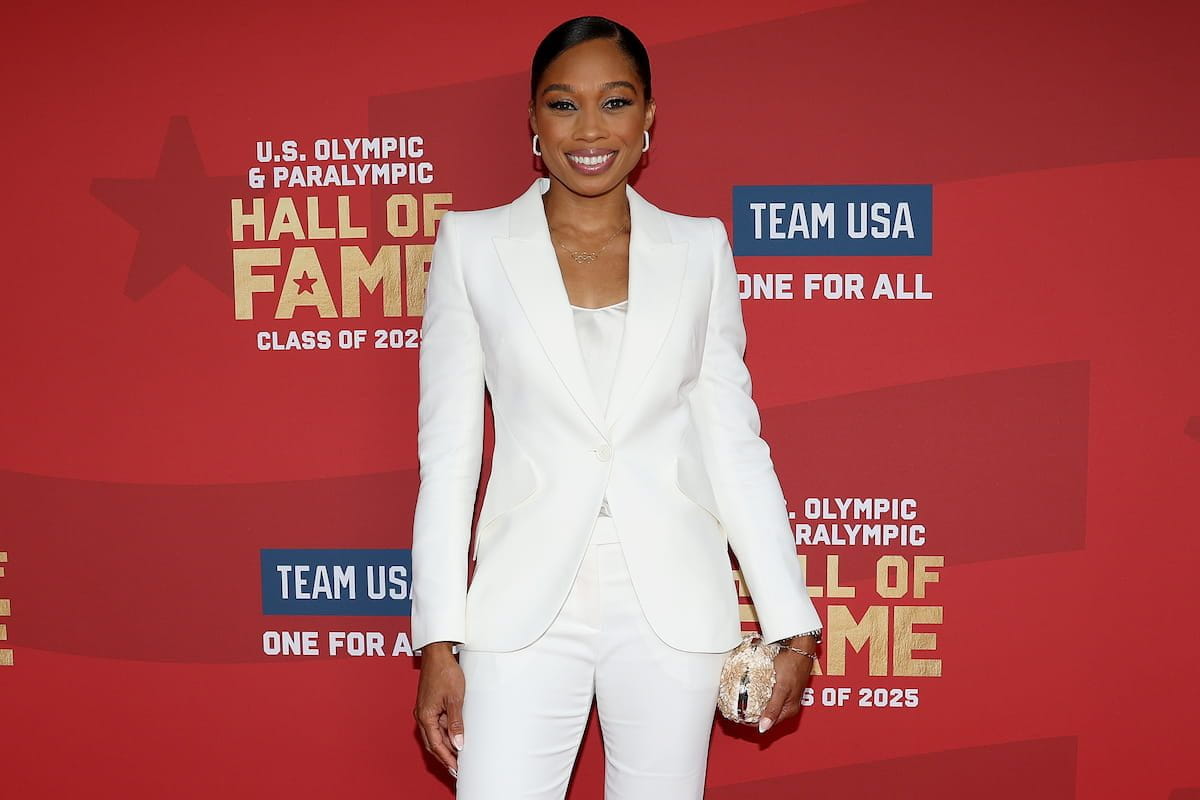
RELATED: Allyson Felix on Fighting Mom Guilt: “We Have to Fill Our Own Cup”
Allyson Felix: Motherhood Is a Medical Issue
Allyson Felix nearly died delivering her daughter at 32 weeks due to severe preeclampsia, then came back to win more Olympic medals. She used her platform to plainly say that Black women die in childbirth at three times the rate of white women, and that the medical system had failed her despite her resources and visibility. She reminded us that no level of excellence protects you from a system that can’t see you. She turned her survival into legislation, teaching us what it looks like to take the personal and scale it outward for cultural impact.
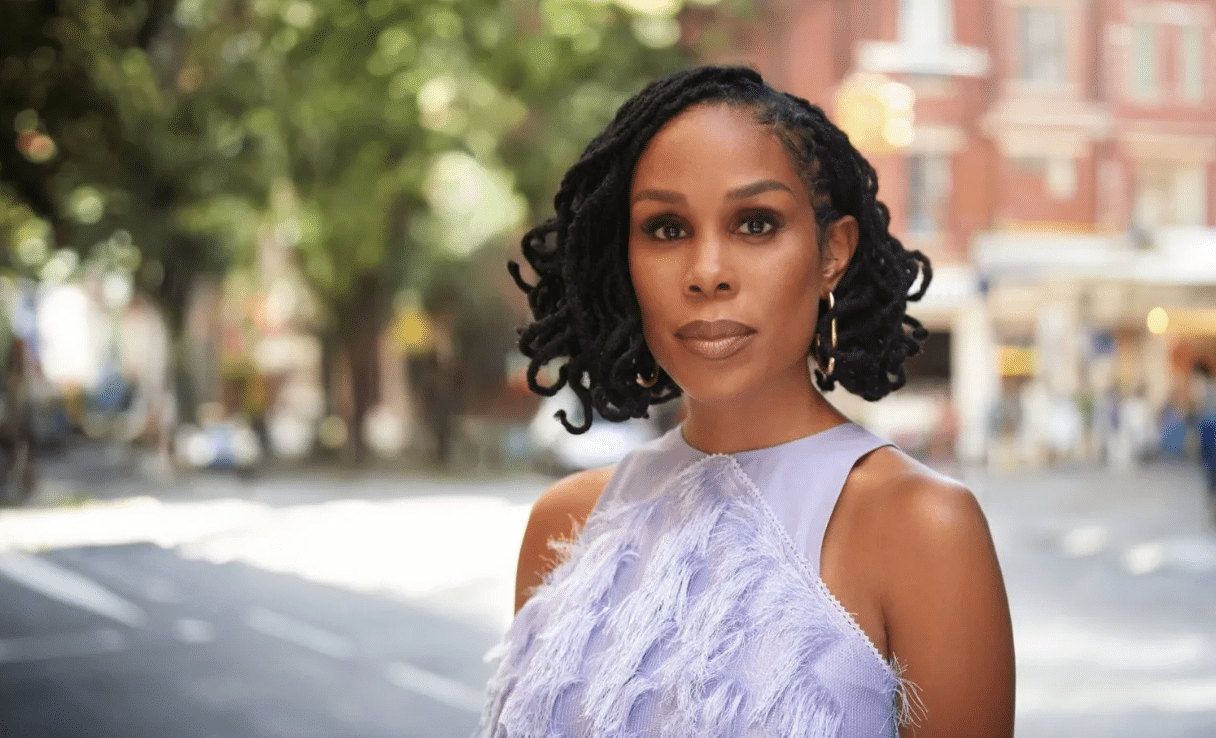
RELATED: Leading the Charge: Dr. Uché Blackstock’s Fight Against Pain Inequity
Dr. Uché Blackstock: The System Is the Diagnosis
Dr. Uché Blackstock left academic medicine to say the thing academic medicine preferred to keep internal: that the healthcare system is not broken for Black patients. It is working exactly as it was designed. She named racial bias in clinical care not as individual bad actors but as structural policy, built into training, triage, and treatment. She reframed health disparities from a mystery to be studied into an injustice to be corrected.