
High blood pressure—often called the “silent killer”—disproportionately affects Black adults in the U.S., who develop it earlier and experience more severe complications. That’s not just genetics—it’s also about environment, stress, and daily habits that often go unnoticed.
High blood pressure, or hypertension, doesn’t usually come with warning signs. You can feel completely fine while your heart and blood vessels are under strain. That’s what makes it dangerous—and what makes awareness so critical.
According to the Centers for Disease Control and Prevention, nearly half of U.S. adults have high blood pressure, and many don’t even know it. Left unmanaged, hypertension increases the risk of heart disease, stroke, kidney failure, and other life-threatening conditions.
The good news? Some of the biggest contributors to high blood pressure are everyday habits you can change—once you recognize them.
RELATED: 10 Places Where Sodium Is Hiding
1. Hidden Sodium in “Everyday” Foods
When people think about sodium, they often think about table salt. But the reality is that most sodium comes from processed and packaged foods—not the salt shaker. According to the American Heart Association, more than 70 percent of sodium intake comes from packaged, prepared, and restaurant foods.
That includes items many people don’t even consider “salty”:
- Bread and rolls
- Canned soups
- Frozen meals
- Salad dressings and sauces
- Deli meats
Excess sodium causes the body to retain water, which increases blood volume and raises blood pressure. What makes this especially tricky is that you can be consuming high levels of sodium without ever adding salt to your food.
2. Poor Sleep Isn’t Just About Feeling Tired
Sleep is often overlooked when we talk about heart health—but it plays a major role in regulating blood pressure. The CDC notes that adults who regularly sleep less than seven hours per night are at higher risk for hypertension. Recent studies published in journals like Hypertension (2024) have found that:
- Inadequate sleep disrupts the body’s ability to regulate stress hormones
- Blood pressure remains elevated for longer periods
- Poor sleep quality (not just duration) also increases risk
Sleep disorders like sleep apnea—which is underdiagnosed in Black communities—can further worsen blood pressure. Sleep isn’t a luxury. It’s a biological reset for your cardiovascular system.
RELATED: The Top Mindfulness Activities for Reducing Stress
3. Chronic Stress That Never Fully Turns Off
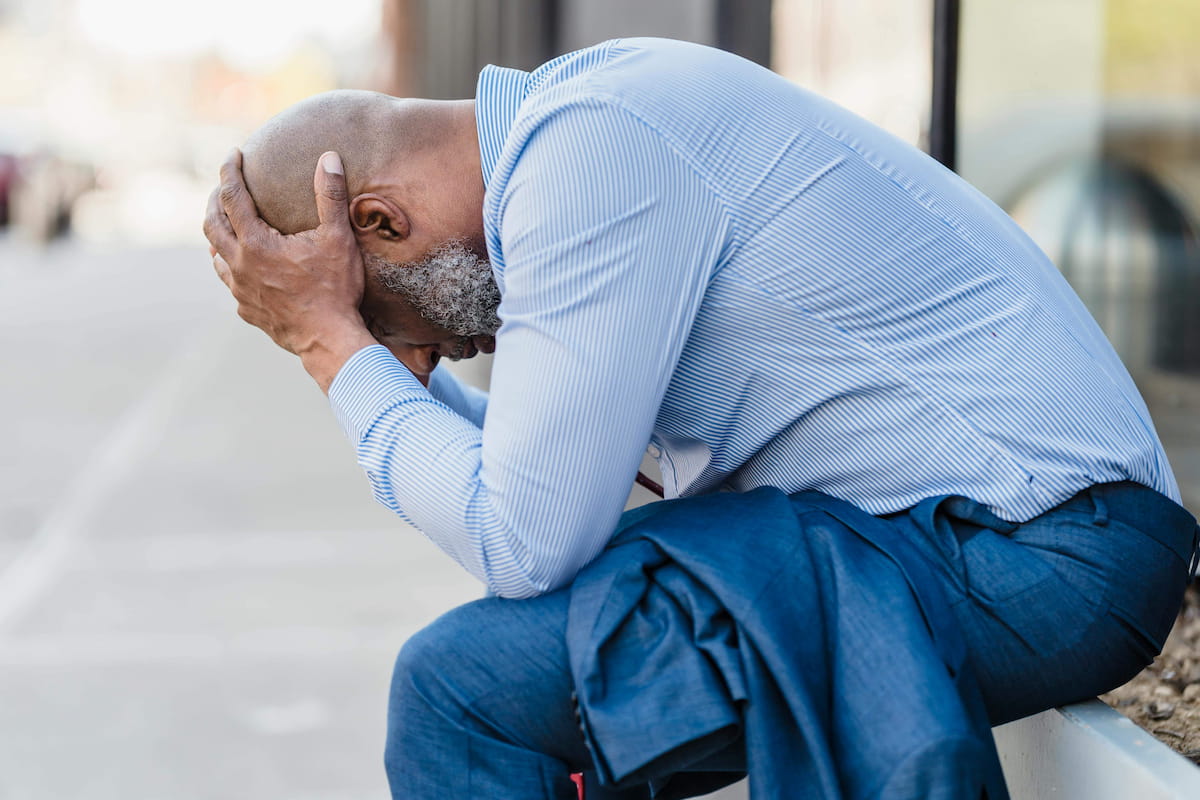
This one hit differently—because for many people, stress isn’t occasional. It’s constant. Whether it’s financial pressure, work demands, caregiving responsibilities, or navigating systemic inequality, chronic stress keeps the body in a prolonged “fight or flight” state. This leads to:
- Elevated cortisol levels
- Increased heart rate
- Constricted blood vessels
Over time, this contributes directly to high blood pressure. The American Heart Association emphasizes that chronic stress may not only raise blood pressure temporarily but can also lead to long-term hypertension when combined with other risk factors. And in Black communities, where stress exposure is often higher due to structural factors, the impact can be even greater.
RELATED: The 1 Hour Workout That Undoes 8 Hours Of Sitting
4. Sitting More Than You Realize
Many people think they’re “not inactive”—but modern life includes a lot of hidden sitting:
- Desk jobs
- Long commutes
- Screen time at home
Even if you exercise occasionally, long periods of sitting can still negatively affect blood pressure. According to CDC guidance:
- Regular physical activity helps lower blood pressure
- Lack of movement contributes to weight gain and poor circulation
A 2024 study in JAMA Network Open found that prolonged sedentary behavior is associated with increased cardiovascular risk—even among people who meet basic exercise guidelines.
Movement doesn’t have to mean the gym. It can be:
- Walking during breaks
- Taking the stairs
- Stretching throughout the day
Small changes in movement can have a big impact.
5. Alcohol: More Than Just “Moderation”
Alcohol is often normalized in social settings, but it has a direct effect on blood pressure. The American Heart Association notes that drinking too much alcohol can:
- Raise blood pressure levels
- Interfere with medications
- Contribute to weight gain
Even moderate drinking can have cumulative effects over time. Guidelines suggest:
- Limiting intake to moderate levels
- Being mindful of frequency—not just quantity
For some individuals, reducing or eliminating alcohol can lead to noticeable improvements in blood pressure.
6. Caffeine and Its Temporary Spikes
Caffeine is part of many people’s daily routine—but it can cause short-term spikes in blood pressure. According to the American Heart Association, caffeine may:
- Cause a temporary increase in blood pressure
- Affect individuals differently depending on sensitivity
For some people, especially those already at risk, these spikes can add up. If you’re concerned:
- Monitor how your body responds after caffeine
- Consider reducing intake or switching to lower-caffeine options
This doesn’t mean you have to give up coffee—but awareness matters.
7. Skipping Routine Checkups
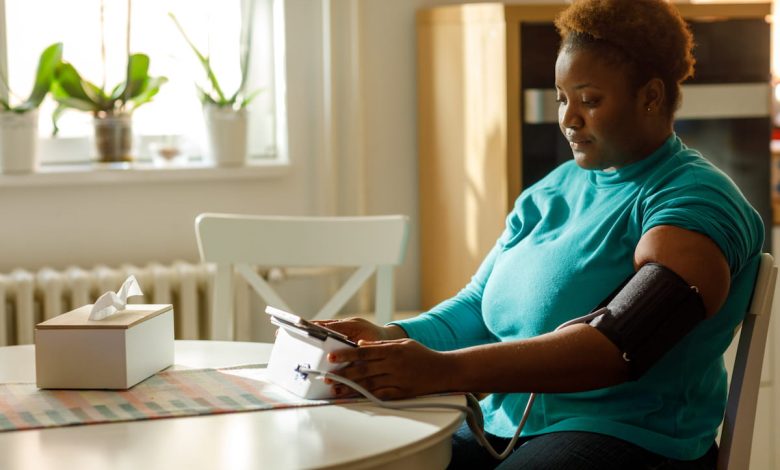
One of the most overlooked habits isn’t something you do—it’s something you don’t do. Because high blood pressure often has no symptoms, the only way to know your numbers is to check them. The CDC emphasizes that regular monitoring is essential.
Skipping checkups can mean:
- Delayed diagnosis
- Missed opportunities for early intervention
- Increased risk of complications
This is especially important in communities where access to care may already be limited. Knowing your numbers is one of the most powerful steps you can take.
RELATED: How to get an Accurate Blood Pressure Reading at Home
Why This Matters: Early Awareness Saves Lives
What makes these habits so important is that they’re often invisible.
- You don’t feel sodium building up
- You don’t notice your blood pressure rising after a stressful day
- You don’t see the long-term effects of poor sleep
But your body does. And over time, these small, everyday patterns can lead to serious health outcomes.
What You Can Start Doing Today
You don’t have to change everything overnight. Start with small, realistic steps:
- Read nutrition labels and reduce sodium intake
- Aim for 7–8 hours of quality sleep
- Build movement into your daily routine
- Manage stress through breathing, rest, or support systems
- Be mindful of alcohol and caffeine intake
- Check your blood pressure regularly
These changes are simple—but they are powerful.
Small Habits, Big Impact
High blood pressure doesn’t usually come from one big decision—it comes from a series of small, repeated habits. The encouraging part is that those habits can be changed. By becoming aware of what’s happening in your daily routine, you can take control of your health before problems develop.