
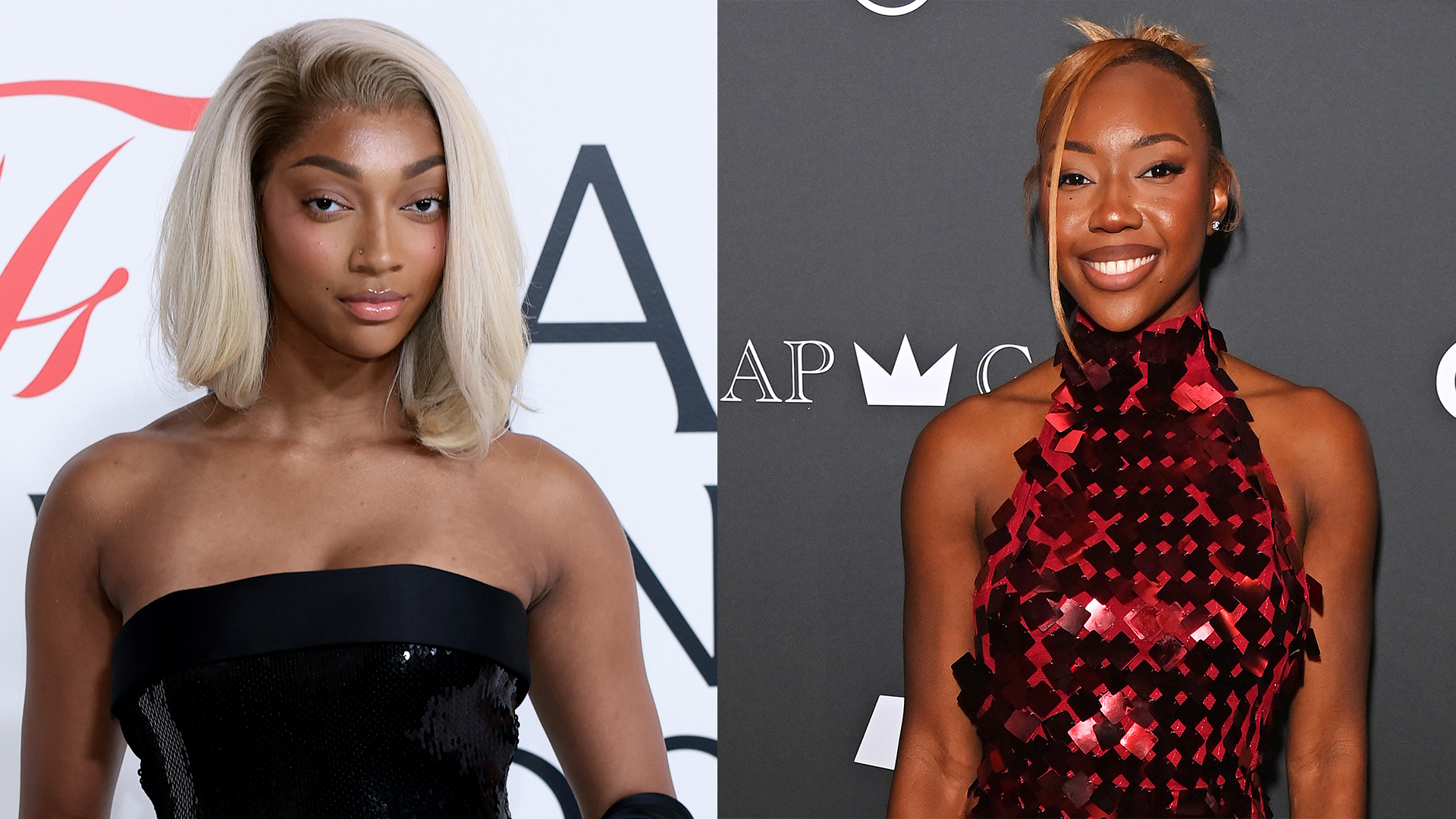

Black woman-led skincare brand Topicals has closed another round of funding, per an exclusive report from The Business of Fashion.
Topicals
Founded in 2020 by Olamide Ayomikun Olowe, Topicals was born out of her search for a solution for those with hyperpigmentation, eczema, and dark spots. CNBC reports Olowe also struggled with hyperpigmentation and Pseudofolliculitis Barbae (PFB).
Per its website, the Topicals product lineup features its faded under eye masks, serum, brightening cleansing bar, and more.
She teamed up with Claudia Teng, who previously worked as a dermatology clinical research assistant, to launch the science-backed brand, with both women ultimately ditching their plans to attend medical school.
Topicals later secured $14.8 million in funding before Olowe was 26 years old — as AFROTECH™ previously reported — making history as the youngest Black woman to raise $10 million in funding in 2022.
Funding
Now, WNBA player Angel Reese, which Forbes lists as one of the top-paid women athletes in 2025, is buying into the brand after previously endorsing the faded under eye masks in a January 2025 Vogue video.
According to The Business of Fashion, Reese participated in Topicals’ latest funding round that also included singer Rema, who will serve as creative partner to assist with marketing aimed at young men. Others in the entertainment and sports industries also participated in the funding round, the publication shared.
“When you think of [Topicals], you think of our marketing, storytelling and products, and you think a lot about culture,” Olowe said, per the outlet. “These are people who control culture.”
Total Funding Raised
While terms of its latest funding round were not disclosed, Topicals has now raised over $22.6 million since inception, The Business of Fashion reports.
“Investors are pulling back their belief in Black-owned … businesses. We are really proud that other people who have capital in the culture want [our kind of business] to grow,” Olowe told The Business of Fashion.