
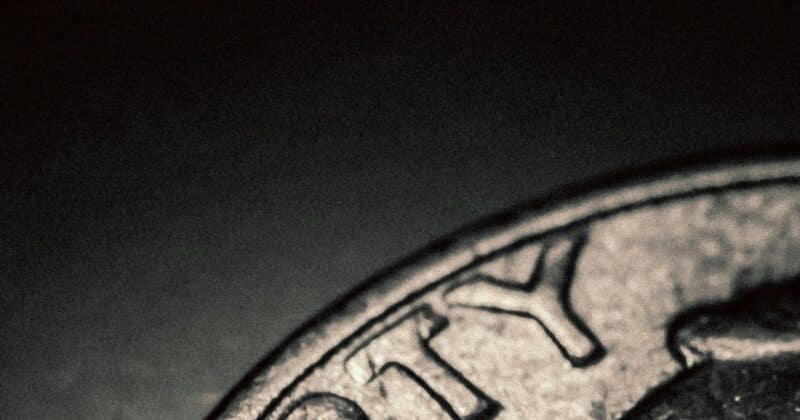
The early twentieth century was a time of massive transition as the old world faded away. Silver dollars had long been the backbone of trade and represented a standard of tangible wealth for many. As designs shifted, the traditional motifs were slowly being phased out for good. The silver dollar was not just currency to the people who used it daily. It was a heavy symbol of independence and national growth.
After a long hiatus, the return of a familiar face in the nineteen twenties was a momentous event for everyone involved. 1921 Morgan $1 PCGS certified coins represent the final chapter of a design that spanned decades. These pieces were struck during a unique window when the government had to replenish silver reserves. They serve as a bridge between the nineteenth century and the future.
Why the Morgan Dollar Returned in 1921
The return of this legendary coin was actually a matter of legislative necessity rather than a planned choice. The Pittman Act of nineteen eighteen required the government to melt down hundreds of millions of silver dollars to help the British during the war. It was huge.
This massive reduction in the national supply created a void that had to be filled by law. The act required the Treasury to purchase domestic silver and strike new coins to replace those that were destroyed. It was a huge undertaking for the entire mint system.
Because the new Peace Dollar design was not ready for production, the mint officials used the old Morgan dies. They produced millions of these coins in a final run across three different facilities. It was the last gasp of a classic American icon for everyone.
Design Legacy and Recognition
George T. Morgan was the man responsible for the artwork that has become so famous among collectors. His depiction of Lady Liberty was modeled after a real woman, which was a departure from the usual practice. It added a human touch that people really loved.
The reverse of the coin features an eagle with outstretched wings, clutching an olive branch and arrows. This image became a symbol of the American West and the hard money culture that flourished there. It is a bold design that carries a lot of weight.
Even now, this coin remains the most recognized silver dollar in the world because of its look and size. It feels substantial in the hand and looks impressive in a collection. The legacy of the art is safe because of its undeniable and lasting beauty.
Minting Volume and Variations
The production numbers for the final year were staggering as the mint worked to meet legal requirements. Millions of coins were struck in Philadelphia, San Francisco, and Denver to get silver back into circulation. It was a very busy time for all the workers.
This was the first and only time that the Denver mint produced a Morgan dollar. Collectors often look for that specific D mark on the reverse to complete their sets. It adds a layer of interest to an already fascinating year for the whole hobby.
Quality can vary depending on which minting facility produced the piece and how the dies were maintained. Some show a sharp strike while others are more muted in their appearance. Aficionados love to track these slight differences across the massive run of the coin.
Collector Interest in the Final Issue
Because so many of these coins were produced, they provide an accessible entry point for people starting. You can find beautiful examples that survived in high grades because they were stored in bags for decades. It is a great way to start a new collection.
Professional grading plays a huge role in the market value of these final year issues today. Having a piece in a certified slab provides a guarantee of authenticity and a specific score. It removes the guesswork for buyers and sellers in the marketplace today.
Completing a set with the nineteen twenty-one issue is a mandatory goal for any serious enthusiast. It represents the end of an era and the final chance to own a piece of this history. The demand stays high because of this very unique status.
What the Last Morgan Represents Today
The final run of this coin marked the closing of the nineteenth century aesthetic in American coinage. The country was moving toward more streamlined designs that reflected a new era of peace. The world was changing very fast for everyone in the country back then.
This year served as a bridge between the old Morgan design and the incoming Peace Dollar. For a brief moment, both styles existed side by side in the halls of the mint. It was a unique transition that collectors still study and appreciate today.
Ultimately, the legacy of the last Morgan is about the power of hard money in a digital world. It is a tangible piece of the American story that still resonates. It remains a legend in the world of silver and history for every new generation.