
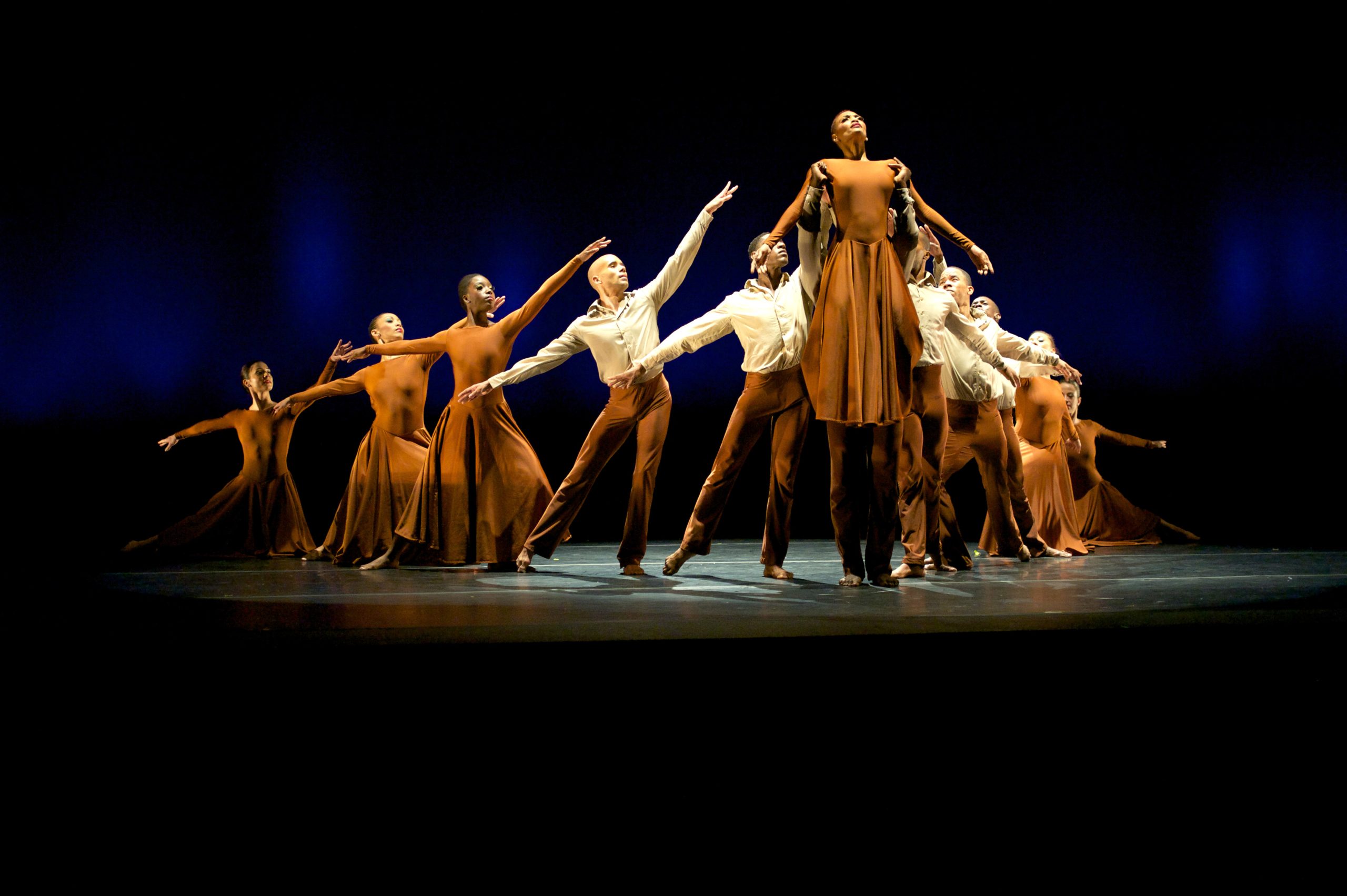
After two years of upheaval, Dallas Black Dance Theatre is laying the foundation for its next chapter. As it marks its 50th anniversary this year, the nationally recognized organization spent much of 2024 and 2025 navigating a high-profile labor dispute that culminated in the dismissal of its main company of dancers, the loss of public funding, and a mandated overhaul of its governance and employment practices.
Now, with a new board in place, city funding restored, and a national search underway for a new executive director, DBDT is working to rebuild its artistic structure, workforce model, and public trust—setting the stage for what Jack Skinner, a longtime tech exec and the board’s new president, hopes will be a full institutional reset.
“There were some cracks in the organization,” Skinner says. “We’re still in the process of earning back trust and repairing relationships, but I believe we’ve earned a lot of that trust back.”
How We Got Here
Dallas Black Dance Theatre has been a pillar of the local—and global—arts community since its founding in 1976. Having grown into the fourth-largest Black dance organization in the nation, DBDT has performed worldwide for more than 5 million arts patrons and 3 million students across five continents. But in spring 2024, a labor dispute began when dancers moved to unionize with the American Guild of Musical Artists after unanimously voting in favor of representation.
Management at the theatre declined to voluntarily recognize the union, prompting a formal National Labor Relations Board process and the first in a series of unfair labor practice charges.
Tensions escalated over the summer, culminating in the dismissal of veteran dancer and rehearsal director Sean Smith in July and the mass termination of the entire main dance company on August 9. The organization said the firings stemmed from a social media post that violated internal policies; dancers and union leaders contended they were retaliatory. Within days, AGMA issued a Do Not Work Order, triggering industry backlash, protests outside auditions held to replace the fired dancers, and a formal investigation by the Dallas City Attorney’s Office.
By fall of 2024, the conflict had drawn in city leaders and labor organizations across North Texas. The Inspector General’s Office released a detailed report examining the firings, while labor groups picketed performances and the National Labor Relations Board filed a formal complaint against the DBDT.
“Both sides dug in, there were mistakes all around,” Skinner said. “But it can probably just be described as an egregious misunderstanding.”
In October 2024, the Dallas City Council paused nearly $248,000 in public funding amid concerns over governance and labor practices. Settlement talks followed, and in December the company reached a $560,000 agreement with the NLRB. The council subsequently cut the paused funding, while former dancers mounted a final independently produced performance later that month.
The fallout extended beyond the initial dispute. In March 2025, an advisory stakeholder task force convened to review the organization’s policies and governance structure, ultimately recommending leadership changes later that year. In September, DBDT announced that longtime executive director Zenetta Drew planned to retire, and two months later—after reforms were set in motion—the Dallas City Council voted to restore $225,000 in annual public funding.
DBDT still moved forward with a 2025 calendar of events, but because AGMA’s Do Not Work Order remains in place, the company has been barred from performing in union-affiliated venues and cities nationwide—limiting its ability to tour.
Moving forward, DBDT leadership supports its dancers unionizing, Skinner says. “DBDT dancers will be represented by the union, and we fully embrace that,” the board president told D CEO. “We are working through the collective bargaining agreement with them as fast as we can.”
What’s Next?
With funding restored and the task force’s recommendations formally adopted, Dallas Black Dance Theatre, which employs 12 dancers and 10 intern dancers, has entered a reset phase—one focused on rebuilding the institution’s internal architecture and celebrating 50 years of dance.
In recent months, the organization has restructured board leadership, adopted three-year term limits, and rewritten its bylaws to clarify governance responsibilities and oversight. A nationwide search is now underway for its next executive director.
The effort is being overseen by a newly formed committee of nonprofit and arts leaders, advised by Michael Kaiser, the president emeritus of the John F. Kennedy Center for the Performing Arts and founder and chairman of the DeVos Institute of Arts and Nonprofit Management.
Alongside Skinner, the committee includes Kim Noltemy, CEO of the Los Angeles Philharmonic (and former CEO of the Dallas Symphony Orchestra); Zannie Giraud Voss, the recently retired director of SMU DataArts; Christopher Plumlee, president of business consultancy Elevate Strategies; and Paulette Turner, a retired IBM executive.
Board members include: Keith Webb (vice president), senior manager at Genesis Motors America; Ebonie Jackson (secretary), senior vice president in the CFO Group at Bank of America; and Amenemopé McKinney (treasurer), a portfolio manager at Big Sky.
“We anticipate having our search firm selected by the end of January and we want to have our next executive director hired by March or April,” Skinner says.
Private donations have begun to flow back to support DBDT’s 2026 budget, with new commitments coming from organizations that paused their giving during the past two year, he says.
Once an executive director is chosen, Skinner hopes all attention is back on the dance. “We have a top-notch dance company that is internationally recognized with world-class talent who produce world-class shows here and all over the world,” he says. “And that’s what I want to be the focus moving forward.”
He points to one recent milestone: India Bradley, a DBDT alum, recently became the first Black woman to hold the rank of soloist in the New York City Ballet.
Author