
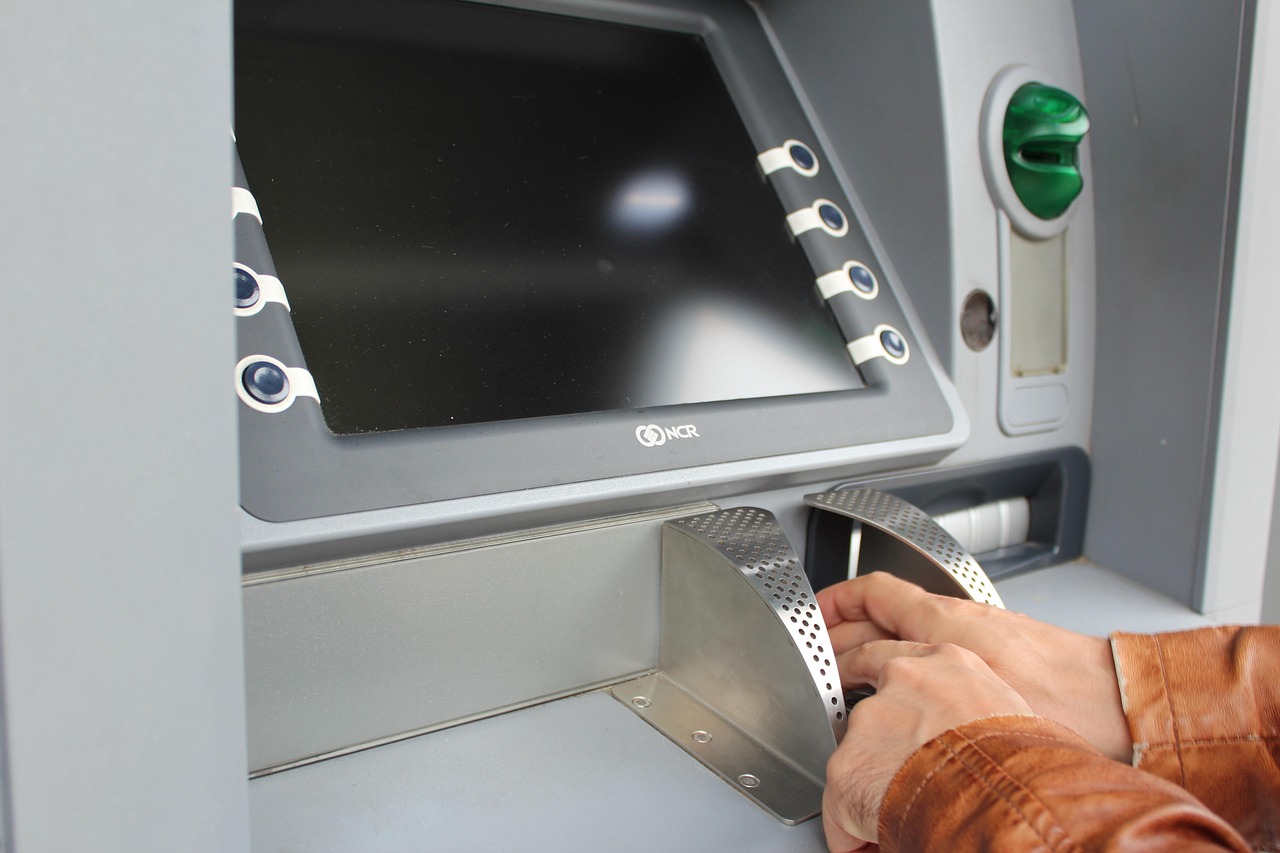
A Senate committee quickly advanced a bill meant to make sure people aren’t being scammed at bitcoin kiosks.
SB 887 is intended to better regulate the kinds of kiosks often found in convenience stores and gas stations allowing users to buy or sell cryptocurrencies using cash or debit cards is on track to be introduced in the Legislature this week. Those kiosks often have fees ranging from 5% to 15% per transaction.
The Senate Banking and Insurance Committee considered and advanced the bill on Wednesday afternoon. The bill next will be reviewed by the Senate Finance Committee.
The legislation proposes a comprehensive legal framework to integrate virtual currency kiosks into the state’s existing money transmission laws.
The bill establishes a formal licensure process for operators, requiring them to register through national systems and adhere to strict oversight.
To protect consumers, the bill mandates detailed risk disclosures, provides daily transaction limits and requires the issuance of physical receipts for all digital currency exchanges.
And the bill introduces specific anti-fraud measures, such as identity verification and mandatory telephone consultations for older customers to prevent financial exploitation.

AARP-West Virginia has been a big supporter of the legislation. Gaylene Miller, the organization’s state director, spoke before the committee.
“I think it will provide some protections,” Miller said. “I think we’ll learn more from this legislation. If we need to strengthen it more we’ll come back to you in the future.”
After the committee meeting, AARP-West Virginia’s president, Roger Calhoun, praised the committee’s work in moving the bill.

“One of our top priorities and we’re pleased to see that it did pass, and we think it’s going to alleviate fraud that occurs at these crypto kiosk machines. So I’m glad to see the legislators are taking this seriously and we’re moving it forward,” Calhoun said.
“We think the bill’s got a lot of good qualities in it to help restrict frauds and scams, especially on more seasoned Americans.”
He said this kind of fraud often occurs when a victim is contacted by a scammer “and told, ‘You can save your money from a bank or pay your sheriff’s department or whatever, and just go down and put your money into a crypto kiosk machine and it’ll go into the right account and you’ll be safe for the next day. Got to do it today or the fine will go up.’
“The machine takes their cash. Right now, no receipt, no licenses — it’s just not regulated at all, no guardrails.”