
If you’ve been growing cannabis for a while, you’ve surely heard of apical pruning. And if you’re just starting out, we can assure you that this technique will become one of your best allies. When properly applied, it allows you to modify the plant’s structure, improve light efficiency and significantly increase final yields. Poorly executed or carried out at the wrong time, it can stunt growth, cause unnecessary stress or even ruin a harvest.
From an agronomic perspective, apical pruning is simply a controlled intervention on the plant’s growth system, based on well-known physiological principles. Understanding what happens inside your cannabis plant when its main apex is cut is the key to using this technique wisely and achieving consistent results.
What is apical pruning?
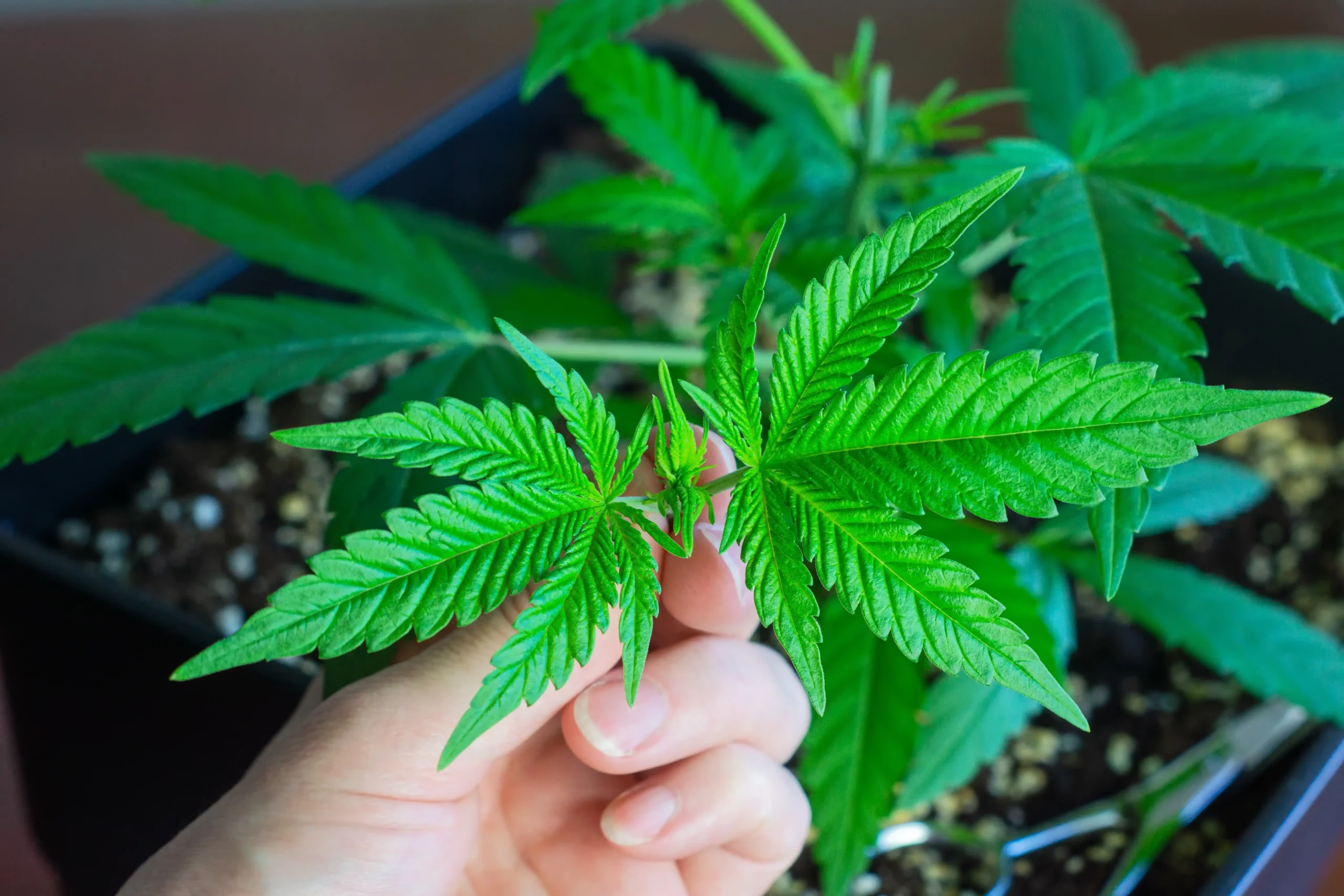
Apical pruning involves removing the terminal shoot or main growing tip of the cannabis plant. This apical bud is responsible for dominant vertical growth, as it produces high concentrations of auxins, plant hormones that inhibit the development of lateral branches.
By cutting this growing point, you break what is known as apical dominance, and the plant redistributes its hormonal resources, promoting the development of two or more secondary shoots. The result is a shorter, wider plant with a much more branched structure, which translates into more flowering sites and, therefore, more buds.
In nature, this type of damage can occur due to wind, animals or weather events such as hail. Cannabis, as a highly vigorous annual plant, is perfectly adapted to respond to these aggressions with compensatory growth. So, in a way, with apical pruning we are simply mimicking nature to make it work in our favour.
When is the ideal time to perform apical pruning?
Timing is everything with this technique. The ideal moment to carry it out is during the vegetative growth phase, when the plant has between 4 and 6 well-formed nodes. At this point, the root system is sufficiently developed to withstand the stress and the response to the cut is usually quick and vigorous.
In indoor growing, pruning is typically done between the third and fifth week of growth, depending on the variety’s rate of development. In outdoor growing, the timing depends on the climate and germination date, but it is usually performed from the fourth node onwards as well. In both cases, the golden rule is the same: wait until your plant has at least 4 nodes and a healthy appearance before reaching for the scissors.
How to correctly perform apical pruning step by step
The technique is straightforward, but it’s worth executing it precisely to avoid problems. Here’s how to do it properly:
- Prepare your tools: use sharp, sterilised pruning scissors. You can clean the blades with isopropyl alcohol or a diluted bleach solution. This simple step greatly reduces the risk of infections.
- Locate the cutting point: identify the apical bud, that is, the main growing tip of your plant. The cut is made just above a node, cleanly removing the growing tip.
- Make a clean, precise cut: don’t tear the shoot off with your fingers, as tears take longer to heal and are more prone to infection. A clean cut with scissors promotes a much faster recovery.
- Post-pruning care: after pruning, maintain stable environmental conditions (especially indoors) and avoid transplanting or applying aggressive fertilisation for a few days. It is highly recommended to spray with a fungicide, such as copper, to protect the wound from potential pathogens.
What happens to the plant after pruning?
From a physiological standpoint, apical pruning causes an abrupt reduction in auxins at the apex and a relative increase in cytokinins in the lateral buds. This hormonal shift is responsible for activating the growth of secondary shoots that were previously inhibited.
During the first few days after pruning, it is normal for your plant to show a slight slowdown in growth. Don’t worry: it’s part of the energy redistribution process. If the plant is healthy and well-fed, within a few days you’ll notice more vigorous growth from the lateral branches, which will tend to compete with each other to become the new dominant apexes.
Additionally, apical pruning usually stimulates the thickening of the main stem and branches, which improves the plant’s capacity to transport water and nutrients. In the medium term, this results in sturdier plants capable of supporting heavier flowers. And that’s exactly what we want!

The main goal of apical pruning is to control the shape and size of the plant, adapting it to the needs of your growing space. In indoor cultivation, where height is often limited, this technique prevents plants from growing too tall and getting burned by the light, and above all, it improves the distribution of artificial light so it reaches more parts of the plant.
In outdoor cultivation, apical pruning is used to achieve more discreet plants that are less visible and have a more open structure, better able to make use of sunlight throughout the day. If you grow on a balcony or terrace, this technique can be your greatest ally for keeping a low profile.
Another very important objective is to increase the number of productive flowering sites. By splitting the main growth into several dominant branches, you’ll get more medium-sized, uniform buds instead of a single large central cola and a few underdeveloped side branches. The result: a more abundant and uniform harvest.
Advantages of apical pruning in cannabis
One of the main advantages of apical pruning is the potential increase in final yield, provided it is combined with good genetics, a suitable environment and balanced nutrition. It’s not a miracle technique, but it is a tool that makes a real difference when applied correctly.
It also allows for greater canopy control, facilitating complementary techniques such as trellising, SCROG (Screen of Green) or LST (Low Stress Training). Improved light penetration reduces shaded areas and promotes more uniform flower development, something that is especially noticeable at harvest time.
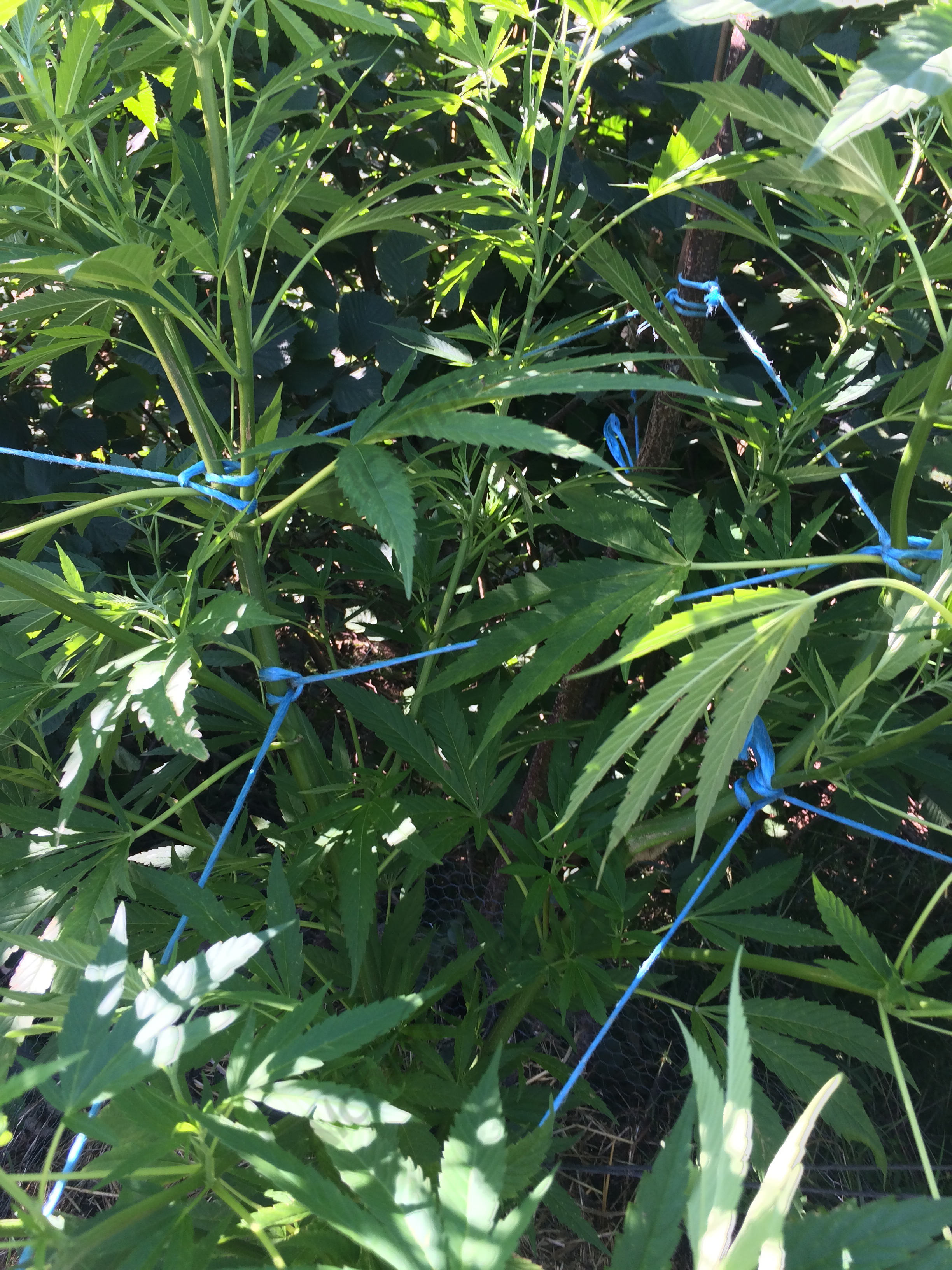
LST – Low Stress Training for cannabis plants
In this helpful and practical article we’ll look at some simple, non-destructive ways to manage plant height and at the same time optimise light penetration and maximise the homegrown harvests from your cannabis garden, both indoors and in the great outdoors.
From a plant health perspective, a more open and well-ventilated plant has a lower risk of fungal issues, especially in humid climates or during late flowering. Better airflow means less chance of the dreaded botrytis or grey mould ruining your buds.
Drawbacks and risks of apical pruning
Like any growing technique, apical pruning is not without risks. The main one is the stress it causes when performed on weak, underfed plants or under poor environmental conditions. A stressed plant will respond poorly and recover more slowly.
A common mistake among beginner growers is pruning too early or too late. If done on very young seedlings with barely a couple of nodes, the plant can be completely stalled for weeks. If done just before flowering or once the stretch has already begun, the plant won’t have enough time to reorganise its structure and yields can be seriously reduced.
Another significant risk is making imprecise cuts or using dirty tools, which can open the door to fungal or bacterial infections. Remember: clean scissors and a clear cut make all the difference between success and a phytosanitary problem.
Differences between indoor and outdoor growing
Indoors, apical pruning is almost a mandatory control tool in many setups. Height limitations and the nature of artificial lighting make a low, branched structure far more efficient at making the most of every watt from your fixture. If you grow in tents or small spaces, apical pruning will allow you to get the most out of your growing area.
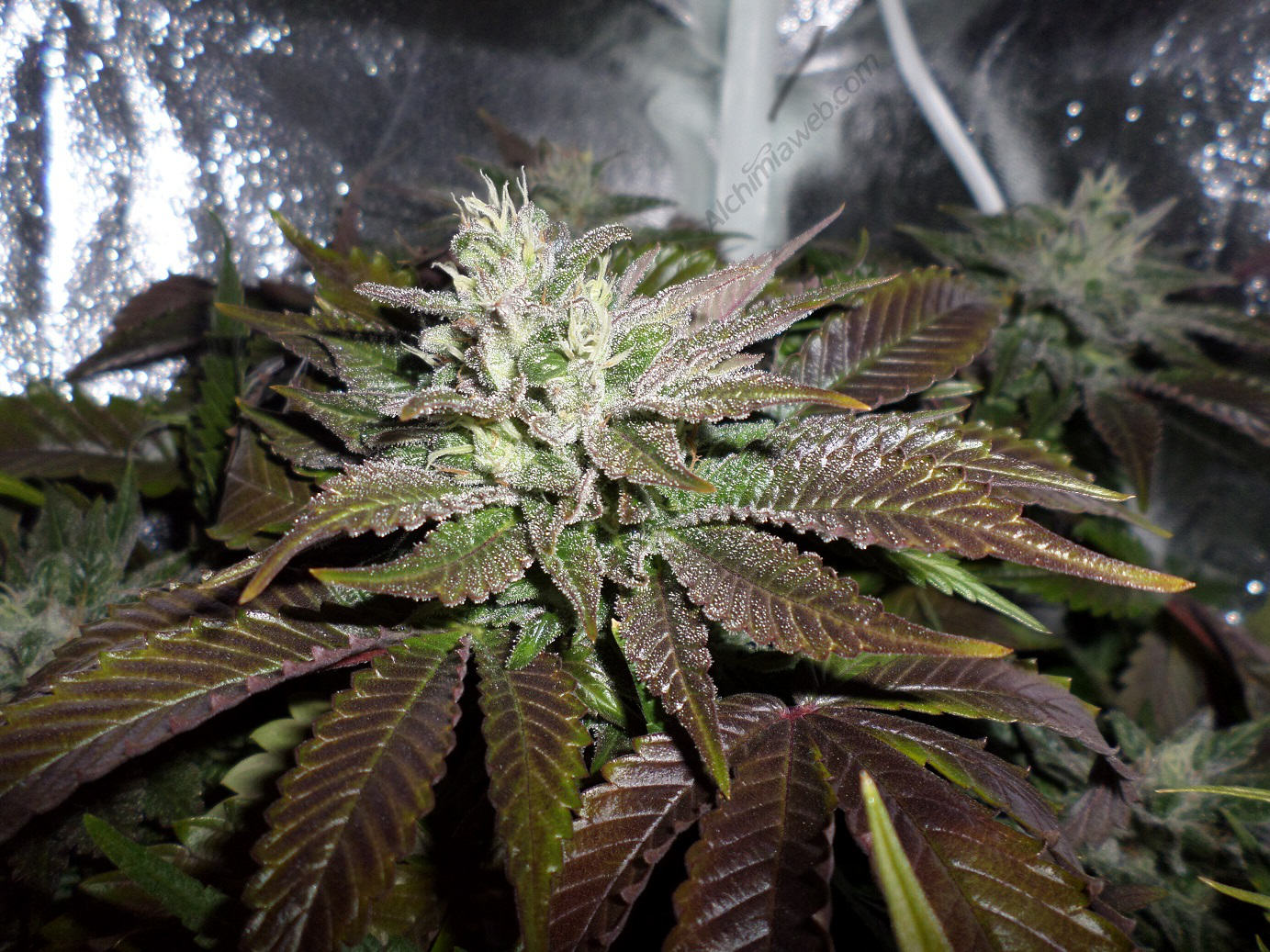
Cannabis seeds for Indoor growing
When starting an indoor cannabis crop, many growers ask themselves: what type of seeds should I grow?
In this post we tell you the main advantages and disadvantages of different marijuana genetics when grown under artificial lighting systems.
Outdoors, pruning is more optional and strategic. It helps control plant visibility, improve wind resistance and better distribute the weight of the flowers to prevent branch breakage. That said, keep in mind that outdoors the plant has more space and natural resources, so recovery after pruning tends to be quicker and more generous.
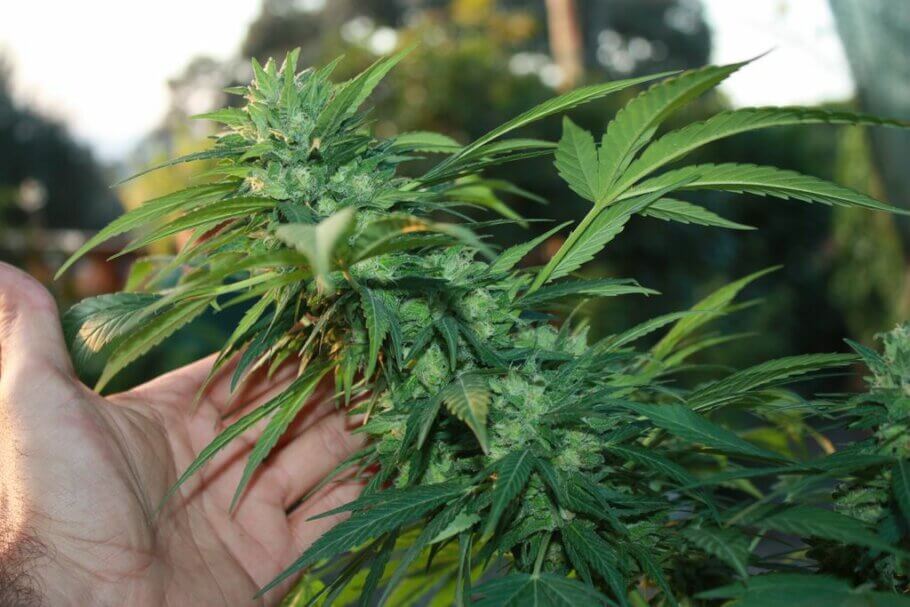
Growing outdoors for beginners: 10 tricks to start off on the right foot
Starting an outdoor cannabis grow can be intimidating for someone with no experience with this plant. Today we have set out to make it much easier for you and guide you throughout your grow with a few simple tricks that will help you avoid mistakes and ensure a successful grow, which after all is what every grower wants!
Relationship with other pruning and training techniques
Apical pruning is the foundation of more advanced techniques such as FIM (Fuck, I Missed!), main-lining or manifold. They all stem from the same principle: breaking apical dominance to redistribute growth in a controlled manner. If you master apical pruning, moving on to these techniques will feel much more natural.
Combined with low-stress techniques like LST, it allows you to shape the plant very precisely without compromising its health. Many experienced growers apply one or two rounds of apical pruning and then guide the branches with LST to create a uniform canopy that makes the most of available light. The results can be truly spectacular!
Is apical pruning recommended for autoflowers?
This is a topic that generates a lot of debate, but the general answer is clear: for autoflowering varieties, apical pruning is not recommended. With a short life cycle and no dependence on photoperiod to trigger flowering, any significant stress reduces the available recovery time and, consequently, final yields can be seriously diminished.
Most experienced growers prefer to avoid apical pruning on autos and opt for gentle training techniques, such as bending or LST, especially with very vigorous genetics that need some control. This way, you can shape the structure without causing the stress that a cut entails.
Common apical pruning mistakes you should avoid
Although apical pruning is a relatively simple technique, there are common mistakes that can compromise your plant’s development, especially if you’re just starting out. Knowing them is the first step to avoiding them and building confidence in managing your grow.
- Pruning plants that are too young: one of the most frequent errors. If your plant has few nodes and a still underdeveloped root system, the stress generated can stall growth for weeks. It’s equally problematic to prune plants that are already weakened by nutrient deficiencies, overwatering or active pests. If your plant isn’t in top shape, it’s not the time to prune.
- Pruning too late: when the plant is about to enter flowering or has already begun the pre-flower stretch, apical pruning loses all its effectiveness. Without enough time to reorganise its structure, the response will be poor and yields will suffer.
- Using unsterilised or blunt tools: imprecise cuts or tears in the stem hinder healing and increase the likelihood of fungal or bacterial infections. Clean, sharp scissors are your best insurance.
- Stressing the plant right after pruning: many growers make the mistake of applying heavy fertilisation or transplanting right after pruning. The best approach is to let the plant recover for a few days under stable conditions before subjecting it to new stimuli. Patience: your plant will reward you handsomely.
Remember that legislation on cannabis cultivation varies by country and region. It is your responsibility to find out about the regulations in force in your area before starting any growing activity.
As you can see, apical pruning is a simple yet powerful technique that, when properly applied, can make a world of difference in the quality and quantity of your harvests. Now that you know all the details, all that’s left is to practise and observe how your plants respond. Happy harvesting!