
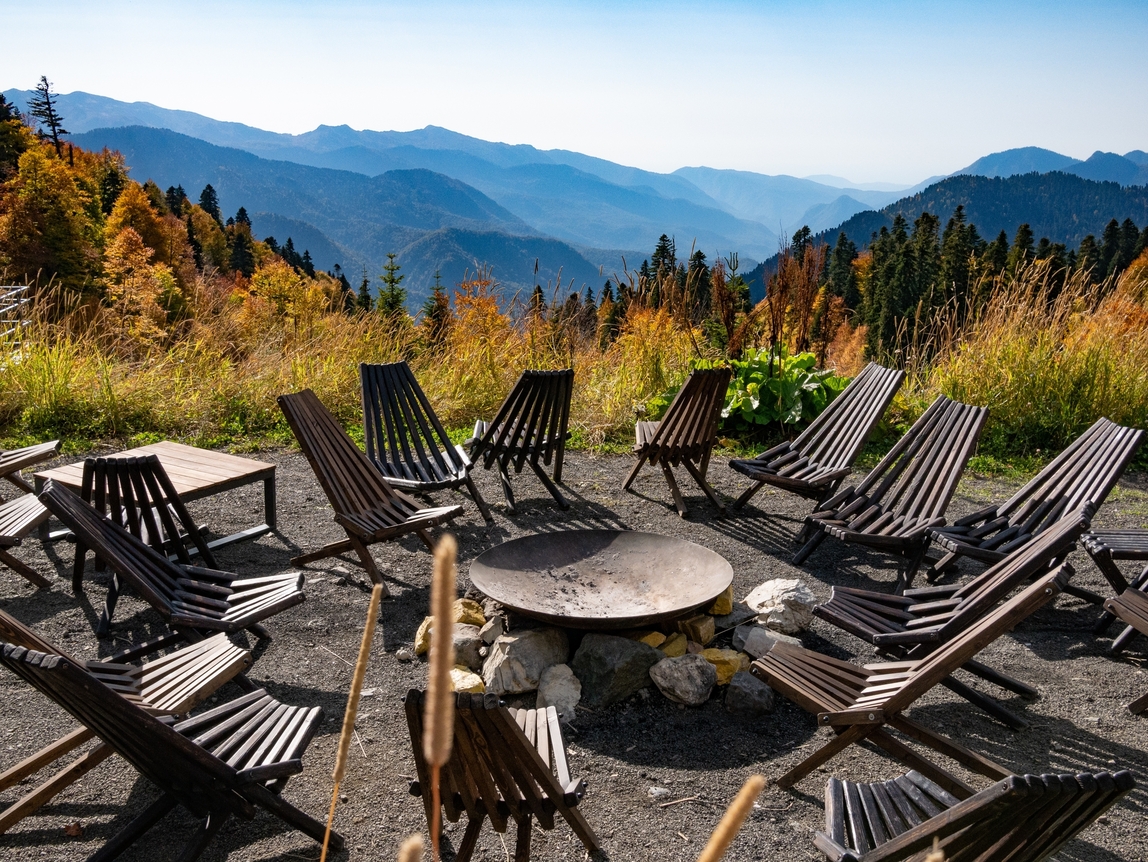
Have you ever wondered why two people can take the same amount of psilocybin mushrooms and have completely opposite experiences? One may feel a profound connection with the universe, while the other spends hours trapped in a loop of anxiety. The answer, in the vast majority of cases, lies neither in the dose nor in the mushroom variety, but in something far more subtle and yet decisive: Set & Setting.
This concept, coined in the 1960s and more relevant today than ever, is probably the most powerful tool at your disposal to turn an experience with magic mushrooms into something truly meaningful… or to prevent it from becoming an absolute nightmare. If you’re thinking about exploring the fascinating world of psilocybin — whether for the first time or as an experienced psychonaut — understanding Set & Setting in depth is not optional: it’s essential.
What exactly is Set & Setting?
The term Set & Setting encompasses two factors that, according to decades of research, are the main determinants of how any psychedelic experience unfolds. Let’s break them down so there’s no room for doubt.
“Set” (short for mindset) refers to your mental and emotional state at the time of consuming the mushrooms. This includes your general mood, your expectations, your fears, your stress level, your personality, and even your previous experiences with psychedelics. Are you feeling calm and curious? Or are you going through a difficult patch full of worries? All of this forms part of your “set”, and believe us: psilocybin mushrooms are going to amplify it.
“Setting”, on the other hand, refers to the physical and social environment in which the experience takes place. Where are you? Who are you with? Is it a place where you feel safe and comfortable? Is there pleasant music or stressful noise? Are you in nature, in your living room, or in the middle of a packed party? All these external elements will interact with your internal state and, together, shape the trip from start to finish.
In short: psilocybin acts as a giant amplifier of what’s already inside and around you. That’s why carefully preparing both factors makes the difference between a revelatory experience and a bad trip you’d rather forget.
A bit of history: from Timothy Leary to modern science
Although today the concept of Set & Setting seems almost like common sense, its formal articulation has a fascinating history. It was the American psychologist Timothy Leary, along with his colleagues at Harvard University, who popularised this term in the early 1960s, during his famous (and controversial) experiments with psilocybin and LSD.
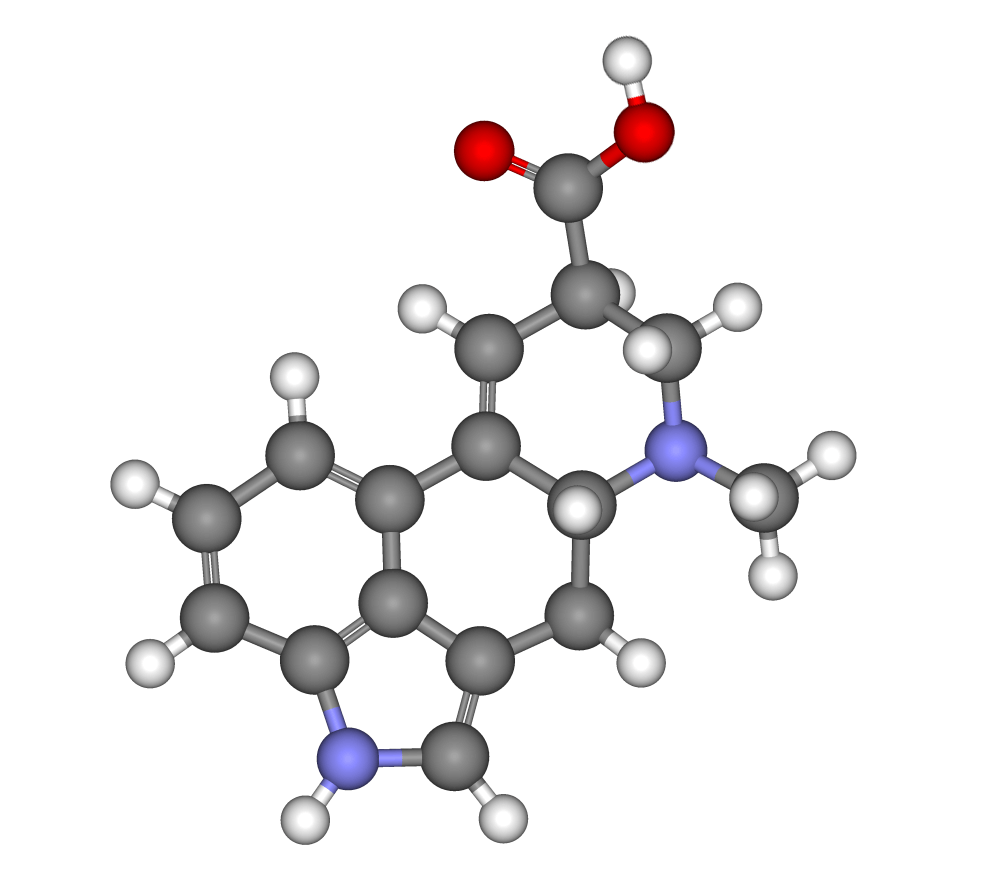
LSD or lysergic acid diethylamide is, without a doubt, one of the most well-known hallucinogenic substances in the world. But did you know that LSD comes from a fungus that affects cereal crops? Well, today we will tell you everything about ergot, how it is converted into LSD and what its main effects on the body are.
Leary realised something that forever changed the way psychedelics are understood: the effects of these substances did not depend solely on pharmacology, but were profoundly mediated by the individual’s psychological and environmental context. In his work The Psychedelic Experience (1964), inspired by the Tibetan Book of the Dead, he put these ideas in writing, proposing that set and setting should always be taken into account when administering any psychedelic.
However, it should be noted that the idea wasn’t entirely new. According to writer Michael Pollan in his book How to Change Your Mind, the concept had been previously developed by Al Hubbard, an LSD advocate in the 1950s who had attended mushroom ceremonies in Mexico and understood the importance of the ritual context. Hubbard even created the so-called “Hubbard Rooms”, treatment spaces decorated to feel like a home rather than a hospital, anticipating what we now call psychedelic-assisted therapy.
Decades later, modern science has amply confirmed what Leary and Hubbard had intuited. Recent studies from institutions such as Johns Hopkins University have shown that, in controlled environments and with adequate mental preparation, psilocybin can generate deeply meaningful and therapeutic experiences. Conversely, a negative set or a hostile setting multiplies the chances of anxiety, paranoia, and the dreaded “bad trips”. In short, the substance opens the door, but the set and setting decide which room you walk into.
The “Set”: how to prepare your mind before the trip
Imagine that psilocybin mushrooms are a magnifying glass that exponentially amplifies any emotion or thought you’re carrying. If you’re feeling at peace, curious, and open, that feeling will be multiplied. But if you’re dragging around worries, unresolved emotional conflicts, or simply a bad day, those ghosts will also become gigantic. That’s why preparing your mental state is the first step — and probably the most important one — before any psychedelic experience.
Honestly assess how you’re feeling. Ask yourself sincerely: am I going through a good time in my life? Do I have unresolved emotional issues that might surface during the trip? Have I been sleeping well lately? Do I feel pressured by someone to do this? If the answer to any of these questions causes discomfort, it might be better to wait for a more suitable moment. There’s no rush: the mushrooms will be there when you’re ready.
Set a clear intention. The most experienced psychonauts agree that establishing an intention — without confusing it with a rigid expectation — greatly improves the experience. It can be something as simple as “I want to connect with myself”, “I’m looking for creative inspiration”, or “I wish to explore my emotions with openness”. This inner compass will help you navigate the trip, especially if the waters get rough.
Inform yourself, but don’t obsess. Knowing the basic effects of psilocybin (trip duration, possible physical sensations such as mild nausea, perceptual alterations, etc.) will give you confidence and reduce the anxiety of the unknown. However, reading too many accounts of “bad trips” right before consuming can have the opposite effect. Balance above all!
Avoid mixing with other substances. Alcohol, cannabis, stimulants, and other drugs can alter your mental state in unpredictable ways. If you want your set to be as clean as possible, the ideal approach is to go into the experience without combining substances. Your mind and body will thank you.
Take care of your body in the days beforehand. Sleeping well, eating healthily, doing some light exercise, and avoiding unnecessary stress are small gestures that can make a big difference in your mental disposition. A rested and well-nourished body is the best ally of a peaceful trip.
The “Setting”: designing the ideal environment
If the set is the inner terrain, the setting is the landscape that surrounds you. And just as you wouldn’t set out to climb a mountain without checking the weather forecast, you shouldn’t embark on a psychedelic journey without having carefully prepared your environment. Psilocybin makes you extremely receptive to external stimuli, so every detail matters.
Choose a safe and familiar place. Your home, a trusted friend’s house, or a natural space you know well are excellent options. The key thing is that you feel comfortable and safe in that place. Avoid unknown locations, places packed with people, or spots where unexpected interruptions might occur (visitors, work calls, noisy neighbours…). Tranquillity is your best decoration.
Be mindful of the company you keep. This point is crucial. The people around you will have an enormous influence on your experience. Surround yourself with people you truly trust, who respect the process, and who radiate good energy. A single tense, sceptical, or mocking individual can derail an entire trip. If it’s your first time or if you’re planning a significant dose, having a trip sitter (a sober and experienced person who watches over your wellbeing) isn’t a luxury: it’s practically a necessity.
Prepare pleasant stimuli. Music is an incredibly powerful element during a psilocybin trip. Prepare a playlist in advance: soft, ambient, instrumental music, or whatever conveys peace and beauty to you. Avoid aggressive genres or lyrics with disturbing content. Additionally, have comfortable blankets, cushions, some fresh fruit, and water close at hand. Small sensory details — a candle with a pleasant scent, soft warm lighting — can completely transform the atmosphere.
Eliminate potential sources of stress. Put your mobile phone on silent (or better yet, leave it in another room), make sure you have no commitments for the next 6-8 hours, and let anyone who needs to know that you won’t be available. There’s nothing worse than a notification from your boss in the middle of a cosmic revelation, right?
Nature as a privileged setting. If you have the chance to live the experience in a safe natural environment — a private garden, a peaceful forest, a secluded beach — do it. Many psychonauts describe the connection with nature under the effects of psilocybin as one of the most beautiful and meaningful experiences of their lives. That said, always make sure you’re accompanied and that the environment doesn’t present risks (cliffs, water currents, dangerous wildlife…).
The trip sitter: your psychedelic guardian angel
We’ve mentioned the trip sitter, and this role deserves its own section, because it is absolutely fundamental, especially if you’re a beginner or if you’re planning to explore medium to high doses of psilocybin.
A trip sitter is, essentially, a sober and trusted person who stays by your side throughout the entire experience. Their mission is not to “control” your trip or direct it, but simply to be there: to offer safety, calm, and emotional support if you need it. A good trip sitter knows when to talk and when to stay silent, when to offer water or a blanket, and when to simply smile to remind you that everything is fine.
The qualities of a good trip sitter include previous experience with psychedelics (to understand what you’re going through), infinite patience, natural empathy, and the ability to remain calm in intense situations. It’s also important that they don’t judge or mock anything you might say or do during the trip. Remember: in a psychedelic state, vulnerability is at its peak, and trust is the cornerstone of the entire experience.
If you don’t have an experienced trip sitter available, at the very least make sure someone in your circle knows what you’re doing and can come if you call them. Never, under any circumstances, consume magic mushrooms completely alone without anyone knowing where you are. Safety always comes first.
What happens when the Set or Setting fails? The dreaded “bad trip”
Let’s be straightforward: yes, bad trips exist. And although psilocybin is considered one of the safest psychedelic substances on a physiological level, on a psychological level it can trigger episodes of intense anxiety, paranoia, confusion, or fear if the conditions aren’t right.
Without a doubt, a bad mushroom trip is a truly intense experience for those who experience it. But why do these bad trips occur? What is the cause of these types of effects? Can anything be done to stop or mitigate them? Today we answer all these questions.
The good news is that the vast majority of bad trips are directly linked to a deficient set or setting. Consuming mushrooms while feeling sad, anxious, or angry; doing so in a noisy and uncomfortable place; surrounding yourself with people who don’t inspire trust; or taking too high a dose without prior preparation are the classic recipes for an experience going wrong.
If despite all precautions you start to feel uncomfortable during the trip, remember these key points: the effects of psilocybin are temporary and will pass within a few hours. Changing rooms, putting on different music, stepping outside for fresh air, or simply lying down and breathing deeply can redirect the experience. And if you have a trip sitter by your side, tell them how you’re feeling: sometimes, just verbalising the emotion is enough to defuse it.
It’s also important to know that what is perceived as a “bad trip” isn’t always one in reality. Many experienced psychonauts explain that the most challenging experiences are often, paradoxically, the most transformative in the long run. Psilocybin has the ability to bring repressed emotions or internal conflicts to the surface, and even though the process may be uncomfortable, the subsequent integration of those revelations can be profoundly healing. Of course, this doesn’t mean you should seek out discomfort on purpose, but rather that, if it arises, don’t necessarily interpret it as a failure.
The “other S’s”: Substance, Sitter, Session, and Situation
Although Set & Setting are the most well-known variables, in psychonaut circles there is growing talk of an expanded model that includes other equally relevant “S’s” for a complete and safe experience.
Substance: not all psilocybin mushrooms are the same. There are over 200 species of psilocybin-containing fungi, with highly variable concentrations of psilocybin. A standard Psilocybe cubensis doesn’t hit the same way as a Psilocybe azurescens, for example. Knowing the species and, if possible, the approximate potency of what you’re about to consume will help you adjust the dose wisely. Always start with low doses if it’s your first time or if you’re trying a new variety.
Sitter: we’ve already spoken at length about the trip sitter, but it’s worth emphasising that this person is an integral part of the model. Their presence — or absence — can determine the entire course of the session.
Session: this refers to the duration and structure of the trip itself. How much time do you have available? The effects of psilocybin typically last between 4 and 6 hours, but it’s advisable to set aside the whole day to avoid feeling time pressure. Haste is the enemy of psychedelia.
Situation: this concept covers what happens after the trip: the integration of the experience into your everyday life. What have you learned? What emotions surfaced? How can you apply those revelations to your daily life? Many experts consider integration to be just as important as the trip itself, and recommend dedicating the following days to reflection, journaling, or even conversation with trusted people.
Practical tips for an optimal Set & Setting
So there’s no doubt left, here’s a summary of the best practices that every psychonaut — novice or veteran — should keep in mind before embarking on a trip with psilocybin mushrooms.
1. Choose the right moment. A day free of obligations, after a good night’s sleep, and at a relatively stable point in your life. If you’re going through a recent bereavement, a painful breakup, or an episode of acute anxiety, wait.
2. Prepare the space with care. Clean and tidy the place, arrange elements that inspire tranquillity, prepare the music, and have water and light snacks to hand. Think of it as preparing a small ritual: taking care of the environment is already part of the experience.
3. Surround yourself with the right people. A few highly trusted people, or even just your trip sitter. Large, boisterous groups are rarely a good idea, especially for beginners.
4. Start with conservative doses. If it’s your first experience with a particular variety, opt for a low dose and observe how your body reacts. You can always increase on future occasions, but reducing a dose already ingested is, obviously, impossible.
5. Set an intention, not an expectation. An intention is a gentle direction; an expectation is a rigid demand. Psilocybin has its own way of teaching, and the trip will often take you to places you hadn’t foreseen. Let yourself be surprised.
6. Have a “Plan B” for discomfort. An alternative room, a comforting blanket, a different playlist, a glass of water with sugar… Small resources that can rescue you from a difficult moment without the need to panic.
7. Respect the experience. Psilocybin mushrooms are not just another recreational drug to be taken lightly at any party. They are powerful tools for inner exploration that deserve respect and preparation. Treat them as such and they will reward you generously.
Set & Setting as a philosophy of life
The most beautiful thing about the concept of Set & Setting is that, deep down, it transcends the world of psychedelics. Thinking about your mental state before facing any challenge, taking care of the environment you move through, surrounding yourself with people who add value, and setting clear intentions before acting are habits that improve any life experience, with or without mushrooms involved.
The great masters of shamanic traditions who have been using sacred mushrooms for centuries always knew this: respect for the substance, for oneself, and for the environment is not a whim — it’s the foundation of everything. And modern science, with its clinical trials and brain scans, has done nothing but confirm that ancestral wisdom with data and evidence.
So, whether you’re an experienced psychonaut looking to refine your practice, or someone who is simply curious about psilocybin mushrooms and wants to better understand how they work, engrave this mantra: take care of your mind, take care of your space, respect the substance. Everything else will follow.
We hope this guide has been useful, clear, and above all, that it encourages you to approach the fascinating universe of psilocybin with the preparation and respect it deserves. Remember: at Alchimia, we’ll always be here to accompany you with honest, quality information every step of the way.
Happy inner journey!