

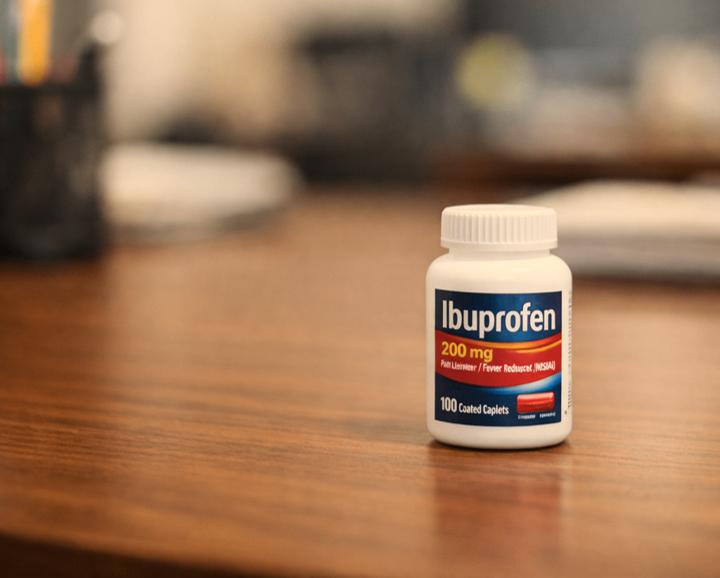
According to a Food and Drug Administration report, nearly 90,000 bottles of ibuprofen have been recalled, with health officials saying the medicine could contain a foreign substance.
Pharmaceutical company Strides Pharma Inc. issued the voluntary recall March 2 because the firm received complaints “for a gel-like mass and black particles in the product,” the report said.
March 16, the FDA classified the recall as Level II, which identifies it a situation where exposure to the product could have temporary adverse health impacts.
According to the report, 89,592 bottles of Children’s Ibuprofen Oral Suspension, USP, 100 mg per 5 mL were recalled. The 4 fl. oz. bottles were manufactured by Taro Pharmaceuticals, the report said, and distributed to retailers nationwide.
Lot numbers for the recalled products, with an expiration date of Jan. 31, 2027, can be found below:
Using Ibuprofen Safely in Children
Ibuprofen is a commonly used over-the-counter medication that helps reduce fever, relieve pain, and decrease inflammation in children. When used correctly, it is generally safe and effective. Here’s what parents and caregivers should know.
What Ibuprofen Is Used For in Kids
- Fever reduction (from infections, vaccines, etc.)
- Mild to moderate pain (toothaches, earaches, sore throat)
- Muscle aches or minor injuries
- Inflammation (such as sprains)
Age Guidelines
- Under 6 months: Usually not recommended unless specifically advised by a pediatrician
- 6 months and older: Can be used safely with correct dosing
Always check with a healthcare provider for infants or medically complex children.
Correct Dosing (Very Important)
Ibuprofen dosing in children is based on weight — not age.
Typical dose:
- 5–10 mg per kilogram (kg) of body weight
- Given every 6–8 hours as needed
- Do NOT exceed 4 doses in 24 hours
Example:
- A child weighing 20 kg (44 lbs)
- Dose range: 100–200 mg per dose
Use the measuring device that comes with the medication (not a kitchen spoon).
Forms Available for Children
- Liquid suspension (most common)
- Chewable tablets
- Regular tablets (for older children who can swallow pills)
How to Give It
- Can be given with or without food, but giving with food or milk can help prevent stomach upset
- Ensure the child drinks fluids (important during fever or illness)
When NOT to Use Ibuprofen
Avoid or use caution if the child has:
- Dehydration or vomiting/diarrhea
- Kidney disease
- Stomach ulcers or significant stomach pain
- Bleeding disorders
- Known allergy to ibuprofen or other NSAIDs
- Severe asthma triggered by NSAIDs
Possible Side Effects
Most children tolerate ibuprofen well, but watch for:
- Stomach pain or nausea
- Heartburn
- Rash or allergic reaction
- Unusual sleepiness or irritability
- Signs of dehydration (dry mouth, reduced urination)
Seek medical care immediately if there is:
- Trouble breathing
- Swelling of face/lips
- Vomiting blood or black stools
In December, similar pain, fever and cold relief products were also recalled over concerns of rat and bird feces contamination.
Gold Star Distribution issued a massive recall in December – and the FDA upgraded it in January – of all FDA-regulated products held at its Minneapolis Facility after the agency found evidence of rodent feces and urine and bird droppings.
Affected cold and flu products included DayQuil Cold & Flu, Tylenol Cold & Flu, Tylenol PM, Excedrin, Motrin, Alka-Seltzer Original, Benadryl, Advil Ibuprofen Tablets and Advil PM, among others.
However, the FDA warned: ‘Persons handling or consuming the products could become seriously ill due to adulteration from pests, including rodents, birds and insects.’
The majority of products were distributed to stores in the Minneapolis area, but some were found in Indiana, New York, Illinois and North Dakota.