
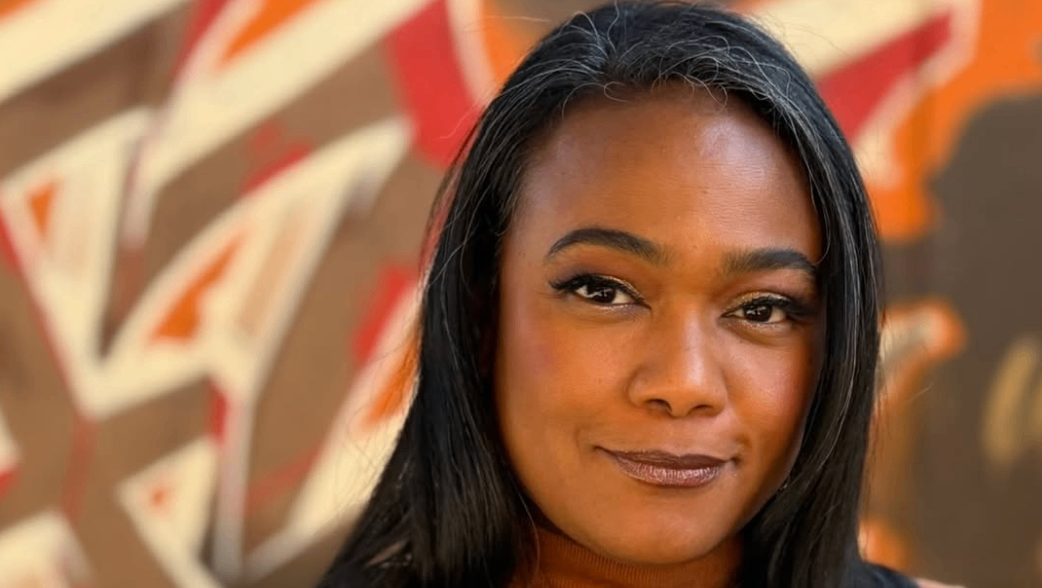
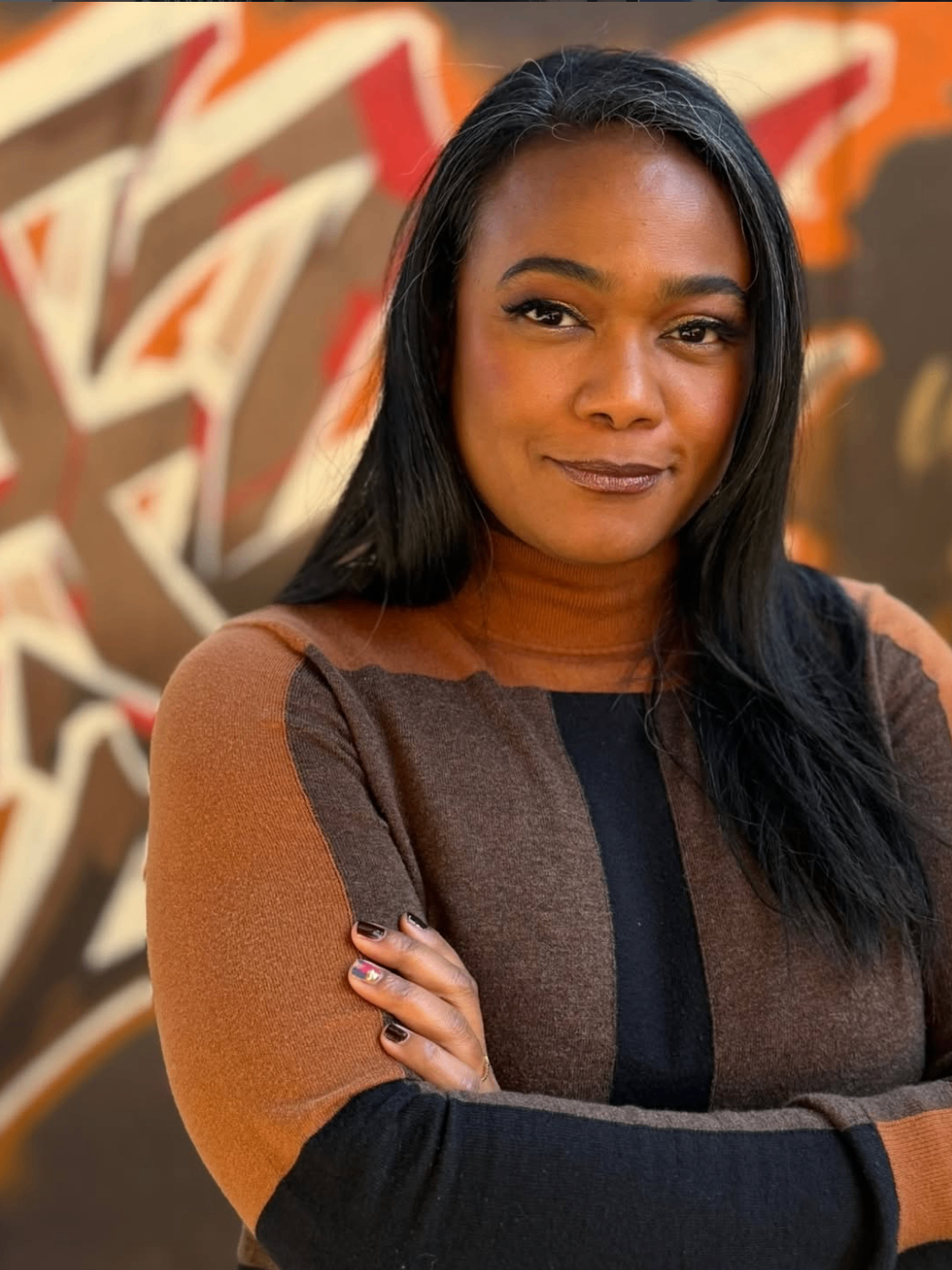
During a recent appearance on the “Pod Meets World” podcast, actress, author, and advocate Tatyana Ali opened up about the traumatic birth of her first son in 2017 — an experience she described as “obstetric violence” and one that ultimately pushed her into maternal health advocacy.
Ali, beloved by many for her role as Ashley Banks on “The Fresh Prince of Bel-Air”, said her pregnancy was healthy until she arrived at the hospital to give birth.
“I was pissed,” Ali said during the interview, explaining how anger over her experience led her to begin speaking publicly about maternal healthcare disparities affecting Black women.
“I realized that what happened to me and to my kids and my family…that trauma is very commonplace,” she said. “Something so awful could be so common.”
RELATED: She Advocated for Mothers Then Died in Childbirth: The Tragedy of Dr. Janell Green Smith
“I Was Held Down”: Tatyana Ali Describes Traumatic Birth
Ali, who shares two sons with her husband, Dr. Vaughn Rasberry, said her birth plan was not followed and described being physically restrained during labor.
“I was held down — my arms and legs,” she said. “The term that I use is obstetric violence.”
The actress went on to describe what she says happened during the emergency delivery of her first son, Edward. According to Ali, her baby had already crowned before doctors performed an emergency C-section.
“They pushed him back inside me,” she said. “My baby was all the way crowned.”
Ali described the maneuver as dangerous and traumatic, saying her son later spent several days in the NICU because he was unable to urinate on his own.
“The only person in the whole hospital who mentioned what happened was a pediatric urologist,” Ali recalled. “She said, ‘I saw what happened during your birth.’”
Ali also said she experienced “a lot of gaslighting” after the delivery and believes race played a role in how she was treated.
RELATED: What Black Expectant Mothers MUST Know About Their Rights (According to a Doula)
What Is Obstetric Violence?
The term “obstetric violence” is used by advocates and researchers to describe disrespectful, coercive, neglectful, or abusive treatment during pregnancy, labor, or delivery. It can include medical procedures performed without informed consent, dismissal of pain, verbal abuse, physical restraint, or dehumanizing treatment during childbirth.
Ali emphasized that her story is far from unique.
“These stories are all over Instagram,” she said. “It’s been happening for a very long time.”
She also spoke about the disparities Black women continue to face during pregnancy and childbirth.
“The treatment is just totally different,” Ali said while discussing the experiences many Black and Indigenous women report during childbirth. “What they feel they can manipulate and touch you and what they can do to your body is just very different.”
RELATED: Why Are Black Women 25% More Likely to Have C-Sections?
Black Women Face Higher Maternal Health Risks
According to the Centers for Disease Control and Prevention, Black women in the United States are approximately three times more likely to die from pregnancy-related causes than white women. The agency says multiple factors contribute to the disparity, including differences in healthcare quality, underlying conditions, and systemic inequities in medical treatment.
The CDC also reports that more than 80% of pregnancy-related deaths in the U.S. are preventable.
For Ali, learning how common these experiences were completely changed her perspective.
RELATED: 7 Things Pregnant Black Women Can Do to Be Heard by Doctors
“I’m Supposed to Say Something”
“When I started meeting other families that experienced this, many of whom their loved ones are not here anymore because they died in the hospital, I started to really consider why I’ve been given this platform,” she said.
“The people I’m talking to, no one puts a mic in their face,” Ali added. “So it kind of just was like, ‘God, I’m going to take all the things you give me, the good and the bad, and do something with it.’”
Today, Ali continues to use her voice to advocate for maternal health awareness and reproductive justice, particularly for Black women whose concerns during pregnancy and childbirth are too often dismissed or ignored.