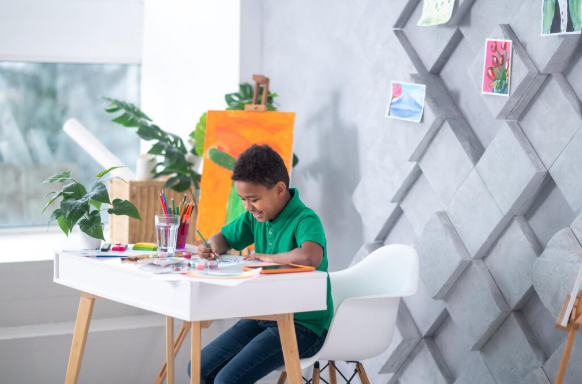
Creating a space where kids actually want to learn, create, and play is one of those things that sounds simple but takes real thought. Whether you’re setting up a corner in your home or running a childcare facility, the environment shapes everything from focus to mood to creativity.
The good news? You don’t need a massive budget or a design degree to pull it off. A few smart choices around decor, organization, and cleanliness can completely transform how kids interact with their space.
Key Takeaways
- Thoughtful decor and organization tools like washi tape can make a learning space more engaging without expensive renovations.
- Color, texture, and personalization play a big role in how comfortable and focused kids feel.
- Cleanliness in shared kids’ spaces isn’t just about appearances. It directly affects health outcomes.
- Professional cleaning is a worthwhile investment for childcare centers dealing with high foot traffic and germ exposure.
- Simple, consistent routines, both for tidying and deep cleaning, keep kids’ spaces safe and welcoming year-round.
Why the Learning Environment Matters More Than We Think
Research consistently shows that cluttered, overstimulating, or dreary spaces make it harder for kids to focus. On the flip side, environments that feel organized, colorful, and personalized tend to encourage creativity and reduce anxiety.
This applies whether you’re talking about a bedroom study corner, a homeschool room, or a professional childcare center. The physical space sends signals to kids about what’s expected and how they should feel while they’re in it.
And the best part? The changes don’t have to be dramatic or expensive to make a real difference.
Start With Color and Visual Stimulation
Color is one of the easiest ways to shift the energy of a room. Soft yellows and greens tend to encourage focus and calm, while pops of red and orange can spark energy and creativity in moderation.
You don’t need to repaint every wall to get the effect. Strategic use of color through accents, labels, and decorative elements can do a lot of the heavy lifting without the commitment of a full renovation.
This is where a little creativity, and the right craft supplies, goes a long way.
Using Washi Tape to Organize and Decorate
One of the most underrated tools for creating a vibrant, organized kids’ space is washi tape. It’s affordable, removable, and comes in a huge range of colors and patterns, making it perfect for renters or anyone who doesn’t want permanent changes.
You can use it to create color-coded labels on storage bins, outline wall sections for different activity zones, or even build simple wall art that kids can help design themselves. It’s a low-stakes, high-reward approach to visual organization.
If you’ve never explored the options before, it’s worth taking the time to browse washi tapes collection to get a sense of just how many creative possibilities are out there. From subtle neutrals to bold geometric patterns, there’s something for every style and age group.
The tactile, hands-on nature of washi tape projects also makes them a great activity for kids themselves. Letting children contribute to decorating their own space gives them a sense of ownership, which research shows can improve how they care for and use the space.

From Creative to Clean: Why Both Matter
A beautifully decorated space only works if it’s also clean and safe. This is especially true in shared environments where children are spending several hours a day together. Kids touch everything, share snacks, and inevitably spread germs, so hygiene isn’t just a nice-to-have.
For families managing a home setup, regular tidying and weekly deep cleans are usually enough to stay on top of things. But for childcare facilities, the stakes and the workload are considerably higher.
If you’re looking for ways to balance creativity and organization at home, it might also be worth reading up on personal finance tips to help plan for both the fun upgrades and the practical maintenance your space needs.
The Reality of Keeping Shared Kids’ Spaces Truly Clean
Most childcare centers operate with tight schedules and limited staff, which means cleaning can easily fall to whoever has a spare five minutes. The problem is that surface-level tidying and genuine sanitization are two very different things.
High-touch areas like doorknobs, tables, toys, and bathroom fixtures need regular disinfection, not just wiping down with a damp cloth. Without proper protocols, these areas become hotspots for the spread of colds, flu, and other illnesses that cycle through childcare centers throughout the year.
This is exactly why more childcare operators are turning to professionals who specialize in this kind of environment. Professional commercial childcare centre cleaning services that focus specifically on childcare centers understand the regulatory requirements, the right products for child-safe sanitization, and the protocols needed to meet health standards without disrupting the daily schedule.
A professional cleaning team doesn’t just make the space look clean. They address the things that are harder to see, like bacteria on fabric surfaces, mold in bathroom grout, and allergens in carpet fibers, all of which affect children’s health over time.

Building a Cleaning Routine That Actually Sticks
Whether you’re managing a home learning space or a professional childcare facility, having a routine is the difference between consistent cleanliness and scrambling before inspections or playdates.
For home setups, a simple daily tidy (10 to 15 minutes at the end of the day) combined with a thorough weekly clean keeps things manageable. Breaking it into small, non-overwhelming tasks makes it easier to stay consistent rather than letting things pile up.
For childcare centers, a hybrid approach tends to work best. Daily staff-led tidying combined with scheduled professional deep cleans, typically weekly or fortnightly depending on enrollment numbers, gives you the best of both worlds.
Small Details That Make a Big Impact
Beyond the big-ticket items like furniture and professional cleaning, it’s the small details that tend to stick in kids’ memories and shape how they feel about a space. A dedicated art wall where their work gets displayed, labeled cubbies that make kids feel like the space belongs to them, or a cozy reading corner with soft lighting, these are the things that transform a functional room into one that kids love spending time in.
Washi tape plays well into all of these ideas. Use it to create gallery-style borders for artwork displays, to mark out individual zones on a shared desk, or to color-code each child’s storage area. It’s the kind of detail that costs very little but communicates a lot about how much thought has gone into the space.
And when the space is well-designed and properly maintained, kids aren’t the only ones who benefit. Parents, educators, and caregivers all feel better working and spending time in an environment that’s both welcoming and clean.
Bringing It All Together
The goal isn’t perfection. It’s creating a space that works, one that supports how kids learn and play, keeps them healthy, and doesn’t become an impossible burden to maintain.
Start small. Pick one area to organize using washi tape labels. Book a professional clean if you’ve been putting it off. Make one visual upgrade that makes the space feel more intentional. Small, consistent improvements add up faster than you’d think.
Whether you’re a parent setting up a homework nook or a childcare director managing a full facility, the same principles apply. A space that’s thoughtfully designed and consistently maintained will always outperform one that’s bigger, newer, or more expensive but neglected.
FAQ
Q: Is washi tape safe to use around young children? A: Generally, yes. Washi tape is made from natural fibers and uses a mild, non-toxic adhesive. It’s worth checking that specific products are labeled non-toxic, particularly for spaces used by toddlers who may put things in their mouths.
Q: How often should a childcare center be professionally cleaned? A: Most childcare centers benefit from professional cleaning at least once a week, with more frequent visits during flu season or illness outbreaks. Daily staff-led surface cleaning should still happen between professional visits.
Q: Can washi tape damage walls or furniture? A: One of washi tape’s biggest advantages is its removable adhesive. When applied to clean, painted walls or finished surfaces and removed carefully, it typically leaves no residue or damage, making it ideal for renters and those who like to change things up frequently.
Q: What should I look for in a childcare cleaning service? A: Look for a provider with specific experience in childcare environments, who uses child-safe, non-toxic cleaning products and understands the compliance standards relevant to your state or region. Ask about their protocols for sanitizing soft surfaces and high-touch areas.
Q: What’s the easiest way to start organizing a kids’ room on a budget? A: Start with labels and zones. Use washi tape to color-code storage containers and define different areas of the room for different activities. This low-cost approach to organization can dramatically reduce clutter and make cleanup faster for kids to manage independently.