

Hypertension is no joke.
It is well established that non-Hispanic Black adults in the United States have among the highest rates of hypertension in the country, hovering around a prevalence of 55–58 percent. Many times, Black patients develop earlier issues that are more resistant to treatment than those of other races.
This isn’t just numbers—it’s families, elders, and young people dealing with fatigue, medication concerns, and elevated risks of heart disease, stroke, and kidney issues. Although vascular stiffness and salt sensitivity are key drivers, genetic factors are also in play.
For example, many Black individuals experience greater blood pressure responses to salt due to physiological factors, including differences in how the kidneys manage sodium.
But here’s the cool news.
Turns out that a vibrant flower long used in African and Caribbean traditions, hibiscus, is making a major comeback. Hibiscus sabdariffa tea, alongside nitrate-rich foods like beetroot and sulfur-rich foods such as garlic, might just be the natural game-changer so many people need.
Let’s get right to it. Here are six science-backed reasons to try this natural remedy…
RELATED: Kick the Salt, Keep the Flavor: Eating Well with Hypertension
1. Meaningfully Reduces BOTH Systolic and Diastolic
Clinical studies show some pretty amazing things when it comes to hibiscus tea. Take, for example, one impressive meta-analysis where hibiscus lowered systolic blood pressure by approximately 7 mmHg, with benefits particularly noticeable in people with higher baseline readings.
Other studies and reviews echo these findings. As a matter of fact, some research not only confirms reductions in both systolic and diastolic pressures but even finds them comparable to certain medications in mild cases.
And it doesn’t end there. Beetroot juice, which is rich in nitrates, has been shown to lower systolic pressure by 3–5 mmHg or more, while garlic extracts also support reductions, especially in hypertensive individuals.
If you combine these two with hibiscus tea, then you’re really talking!
2. Contains Powerful Antioxidants that Fight Vascular Inflammation/Stiffness
The science of hibiscus is pretty interesting. Basically, it’s absolutely loaded with vitamin C, as well as anthocyanins and polyphenols, powerful plant compounds known for their anti-inflammatory and antioxidant benefits.
So, if you’re trying to combat oxidative stress and inflammation, common in hypertension, you certainly stand to gain from these compounds.
Again, consider garlic and beetroot alongside hibiscus. Garlic’s sulfur compounds and beetroot’s nitrates work similarly to relax vessels and support their health. Together, these three remedies address the root causes common in Black communities.
No more just masking symptoms – it’s time to treat the source!
RELATED: 7 Everyday Habits That May Be Raising Your Blood Pressure

3. Has Gentle Natural Diuretic Properties
When taken in typical drug form, a diuretic is a ‘water pill’ that helps your kidneys push extra salt and water into your urine. In other words, it flushes excess fluid, thereby reducing swelling and lowering blood pressure.
Well, turns out nature made hibiscus a natural diuretic. Mild in action, this flowering plant promotes the excretion of sodium and excess fluid while helping your body maintain healthy potassium levels. This is especially important for those with salt-sensitive hypertension.
Traditional use across Africa aligns with these modern research findings. Not to mention, often without the harsh effects of pharmaceuticals!
4. Delicious Taste and Great Affordability
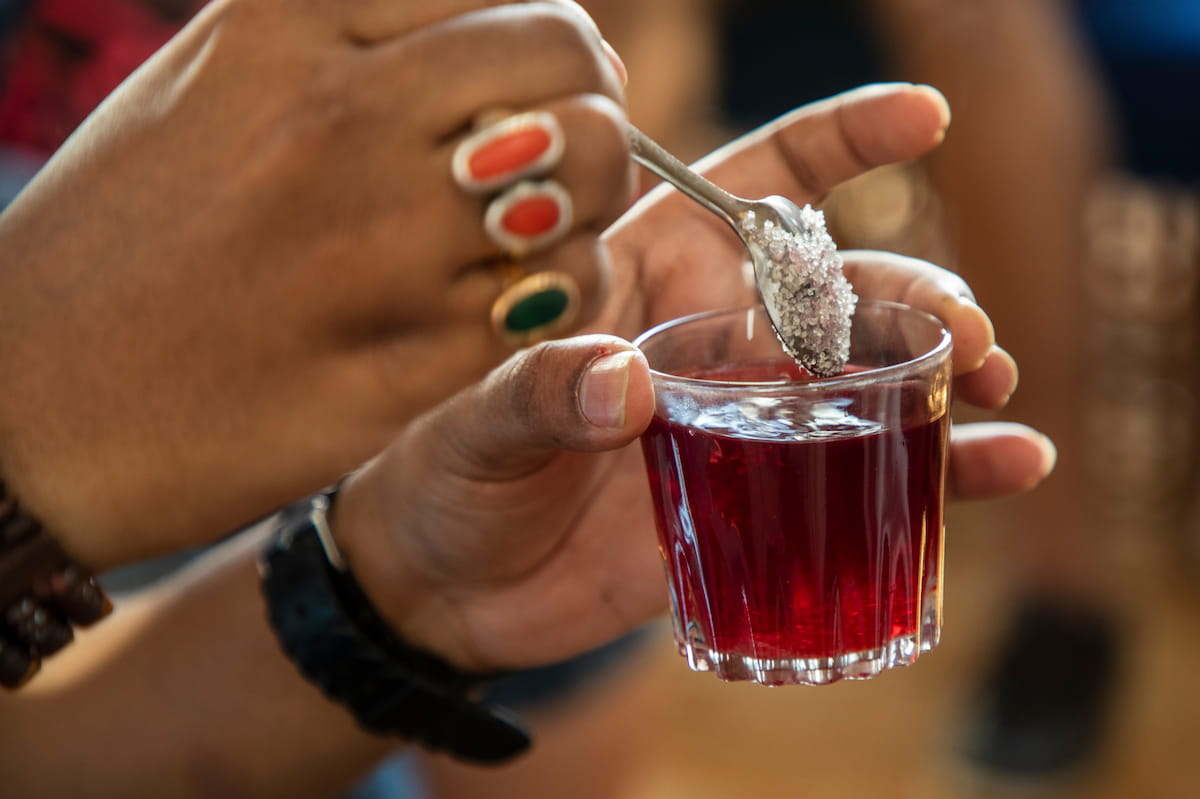
Hibiscus tea—known as bissap in Senegal, sorrel in the Caribbean, or Jamaica drink—has a bright, tangy flavor that countless people love. Whether it’s hot or iced, whether it’s sweetened with honey or enjoyed plain, it’s quite delicious – and inexpensive.
If you’re looking for something that’s easy to find in most grocery stores or online, and simple to brew at home, hibiscus is your friend. This accessibility is vital. Reconnecting with this plant honors ancestral wisdom from West Africa and throughout the diaspora, but you don’t have to go far to find it.
And therein lies the beauty.
5. Broad Benefits for Overall Heart Health
Beyond blood pressure, hibiscus is beneficial for cholesterol, cardiovascular health, and numerous other aspects of optimal health & wellness. Studies even show favorable effects on lipid profiles and general cardiometabolic markers.
But it gets even better when you combine the flower with garlic extracts, which further improve arterial flexibility and pulse wave velocity. In basic terms, metrics that show your cardiovascular system is in good shape.
Add beetroot to the mix, and your blood flow improves as well.
Given disparities in heart disease outcomes in Black communities, this is great news!
6. Excellent Synergy When Combined with Beetroot and Garlic
We’ve already covered these combined effects a little bit, but let’s explain them more scientifically. The reason these remedies shine even brighter together is due to their main impacts. Again, hibiscus provides antioxidant and diuretic effects, beetroot delivers fast-acting nitrates for vessel relaxation, and garlic adds anti-inflammatory and cholesterol-supporting compounds.
What’s interesting is that many traditional eating patterns already combine these ingredients. Many African cultures mix and match these plant foods across meals and dishes, so it truly is as nature intended.
If you’re looking for a practical, food-as-medicine approach, these three ingredients are absolutely vital.
To get started, begin by making the actual hibiscus tea. Use 1–2 teaspoons of dried hibiscus calyces (or 1 tea bag) and steep in 8 ounces of hot water for 5–10 minutes. You’ll notice the most benefits from 2-3 cups daily, as these are the optimal amounts typically observed in studies.
For beetroot, try fresh beet juice, roasted beets, or beet powder several times a week. And finally, for garlic, incorporate fresh garlic generously in cooking or consider aged garlic extract after discussing it with your provider.
Just make sure you pair these options with a low-sodium, potassium-rich eating pattern. This includes plenty of leafy greens, beans, bananas, and other whole foods. If you can combine these foods with regular movement, stress management through prayer, and community connection, you’re well on your way!
Track your blood pressure at home and work closely with your healthcare provider. While natural remedies can enhance the effects of medication and offer their own benefits, that doesn’t make them a replacement for prescribed care.
This is especially important with hibiscus tea.
Research suggests hibiscus may actually interact with certain blood pressure medications, including hydrochlorothiazide and ACE inhibitors such as lisinopril and ramipril. These interactions could increase the blood pressure-lowering effects, potentially leading to issues like hypotension, dizziness, fainting, falling, and other serious concerns.
As always, if you’re currently taking medication for hypertension, discuss hibiscus consumption with your doctor. You should monitor your readings carefully, especially if you plan to drink the tea regularly.
But it doesn’t end there.
Pregnant women should also exercise caution. This is because Hibiscus has traditionally been used as an emmenagogue, a substance associated with increased menstrual flow. For this reason, it’s generally not recommended if you’re pregnant.
That said, if used wisely with proper medical guidance, hibiscus tea, nitrate-rich foods like beetroot, and sulfur-rich foods such as garlic may offer the nurturing, accessible path toward better blood pressure you deserve. Make today the day you see for yourself.