
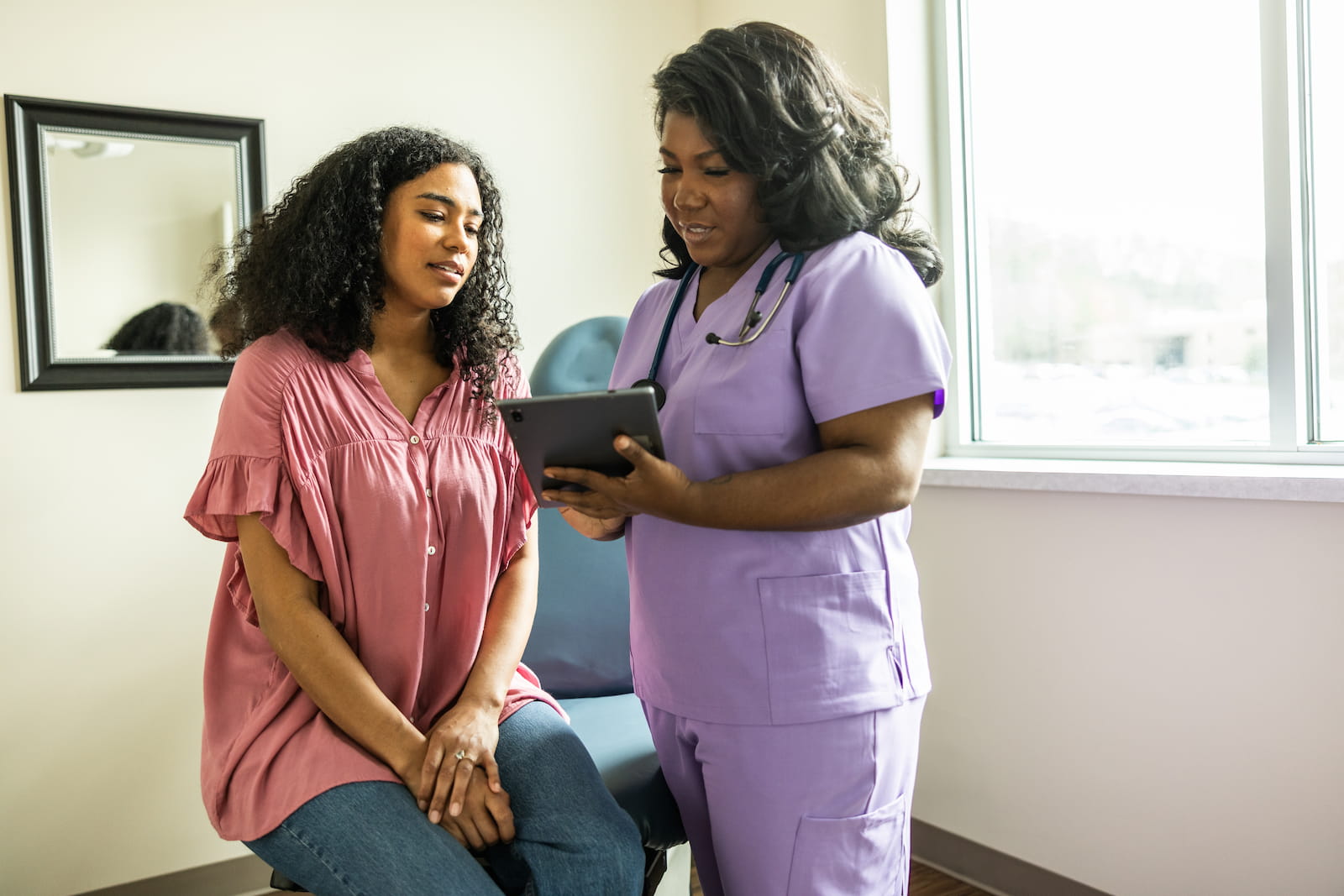
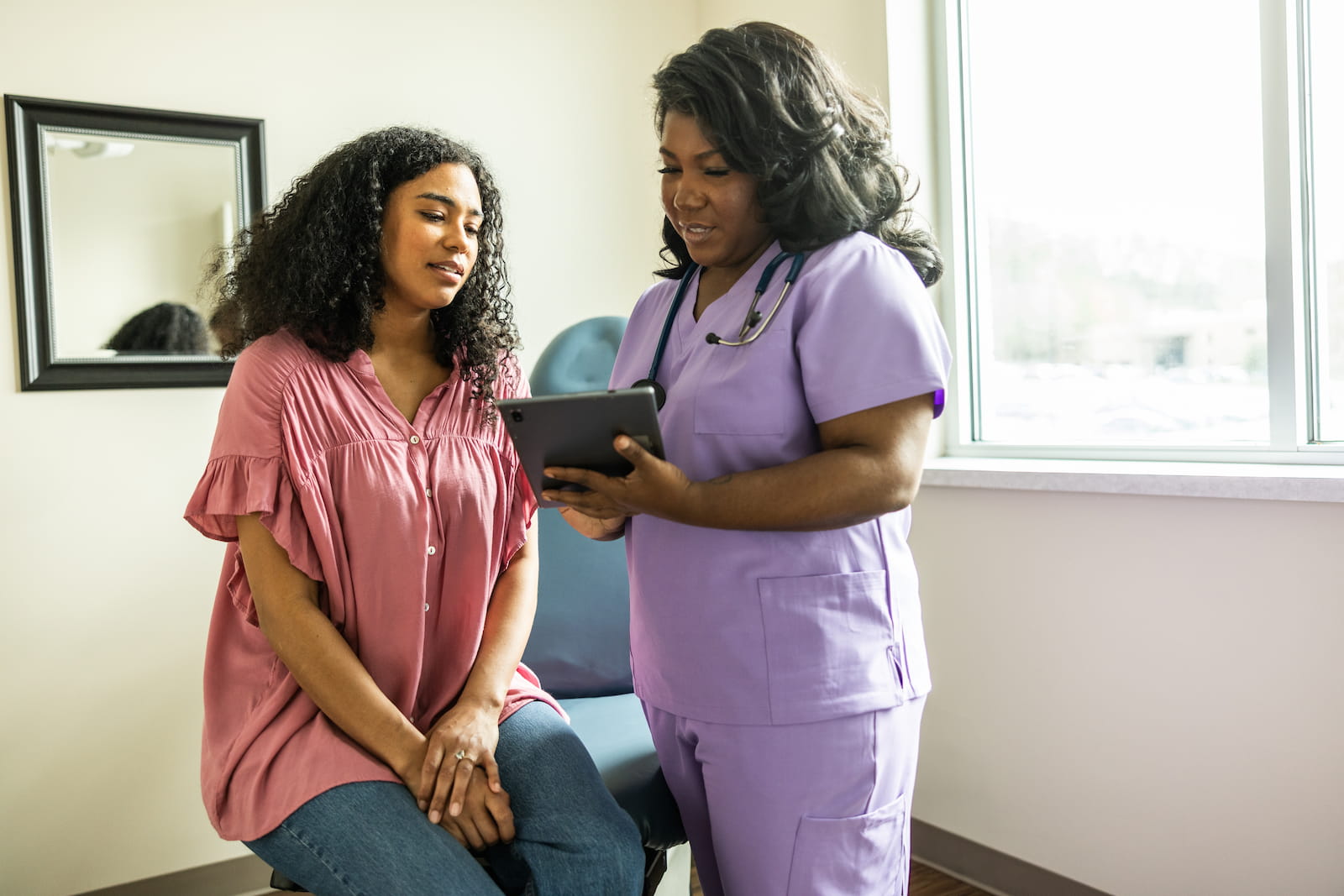
Black people make up a significant portion of the U.S. population but have historically been underrepresented in many areas of medical research. Representation can help researchers identify whether treatments work similarly — or differently — across populations. Black participation can make research findings more relevant to Black communities, and potentially improve outcomes across various diseases and conditions.
Why Should You Consider Joining a Clinical Trial?
There are several potential benefits to joining a clinical trial, including:
- Access to potential new treatments
- More closely monitored care
- Learn more about your conditions
- Help advance research
RELATED: Clinical Trials: What Black People Need to Know Before Participating
Expert Q&A: Why Black Patients Should Consider Clinical Trials
BlackDoctor interviewed Linda Bradley, MD, an internationally recognized obstetrician-gynecologist who is based in Cleveland, Ohio, and affiliated with multiple hospitals in the area, including Cleveland Clinic and Cleveland Clinic Fairview Hospital, to learn why Black participation is so important for clinical research.
BlackDoctor: Why is it important for African Americans to participate in clinical trials?
Dr. Linda Bradley: African Americans really do need to participate in clinical trials. The new drug that we’re looking at, for instance, I just wrote a paper, or what we call an editorial, where I read a paper they asked me to comment on, looking at two groups of women, Black and white. With a standard dose of a medication of a drug called ulipristal. This drug is available in Canada, France, and in many parts of Europe. But it turns out the standard dose of 5 mg of ulipristal, compared to 10 mg, is different in terms of the outcome.
The trial was almost 50/50 Black and white, and patients were asked to participate, fill out a questionnaire, start the ulipristal, and take it for three months. How did you feel? How are your periods? Did you have pain? Did you get better? Black women weren’t as happy on 5 mg; white women were. It may be that the burden of our disease from fibroids. We don’t know why genetically it’s different- just bigger fibroids, more massive.
Doctors are looking at precision medicine, also called personalized medicine. But in certain situations, we may find that we need ethnocentric dosing. Maybe a Black woman gets 10 mg of this drug and a white person 5 mg; maybe it’s the weight. It’s important when we look at clinical trials and outcomes, just like birth control pills, we’re finding that women who are really over their ideal body weight, over 198 lbs, have a higher pregnancy rate than normal-weight women.
I’m saying that it doesn’t work, but some of the studies just look at I’m just taking this separately for birth control they work. But the women that got pregnant who swore and we could tell that they took their pills every day were more likely to be overweight. So even with the morning-after pill- you have sex, the condom breaks, didn’t use a condom- we have something called Plan B; you can buy it over the counter; it doesn’t work as well in obese women.
The same thing with fibroids: we have to sort of look at the individual; we have to study that whole woman. Every woman is different genetically, biologically, and spiritually. So when we’re looking at trials, it’s important for black women to be a part of trials to see if we behave differently in terms of our outcomes. We only know these things by participating.
The days of being a guinea pig we’re not looking at this but this helps us to offer care to so many of our sisters in years to come. For better outcomes, it takes study, and without study, we kind of stay stuck. It’s just that we’re finding that we are more alike than different, but sometimes we really are different. It just takes us looking at all kinds of patient populations to know what works better.
Why Black Representation in Clinical Trials Matters
Historically, Black patients have been underrepresented in clinical research, making it especially important to ensure that people from Black communities have equal opportunities to engage in medical studies. In 2025, Black or African American participants represented 14 percent of U.S. participants in clinical research supported by the National Institutes of Health (NIH). The agency notes that when different racial and ethnic groups are represented appropriately in clinical research, the evidence can be much stronger and more applicable to the people affected by the condition.
Black representation in clinical trials matters because healthcare providers and researchers need to understand how treatments, medications, tests, devices, and other interventions work across different populations. When there’s a small percentage of Black participants, there may be less information about how a treatment performs in Black patients.
To understand why participation rates are low among Black Americans, it’s important to look at the history. Many Black people may be hesitant due to a history of unethical medical research, discrimination in healthcare, and personal experiences with the healthcare system, leading to medical mistrust in some communities.
Your decision to participate could also help researchers better understand treatments and health conditions in people who share your background, and possibly help improve care for future patients.

What Should You Know Before Joining a Clinical Trial?
Before you join a clinical trial, be sure that you understand what the study involves and what they’re asking you to do. Every clinical trial is different, so take time to review the details and speak with the research team and your healthcare provider.
Here are a few things you should consider:
- Know what exactly is being studied
- Know the potential benefits and risks
- Ask about the time commitment
- Understand the costs
- Find out what happens if you no longer want to participate
- Take your time before making a decision
If something about the clinical trial seems unclear, don’t hesitate to ask the research team to explain it in simpler terms or go over it again.
RELATED: 15 Questions to Ask About Clinical Trials
How to Find a Clinical Trial
If you’re interested in participating in clinical research, a good starting point is BlackDoctor’s Clinical Trials Resource Center or ClinicalTrials.gov. You can search for open trials by health condition, treatment, location, or other factors. Once you find a study that piques your interest, review its eligibility requirements, study details, and location.
Please remember that finding a trial doesn’t mean that you have to join it. Take time to learn about the study, ask questions, and discuss your options with a healthcare professional before deciding.