
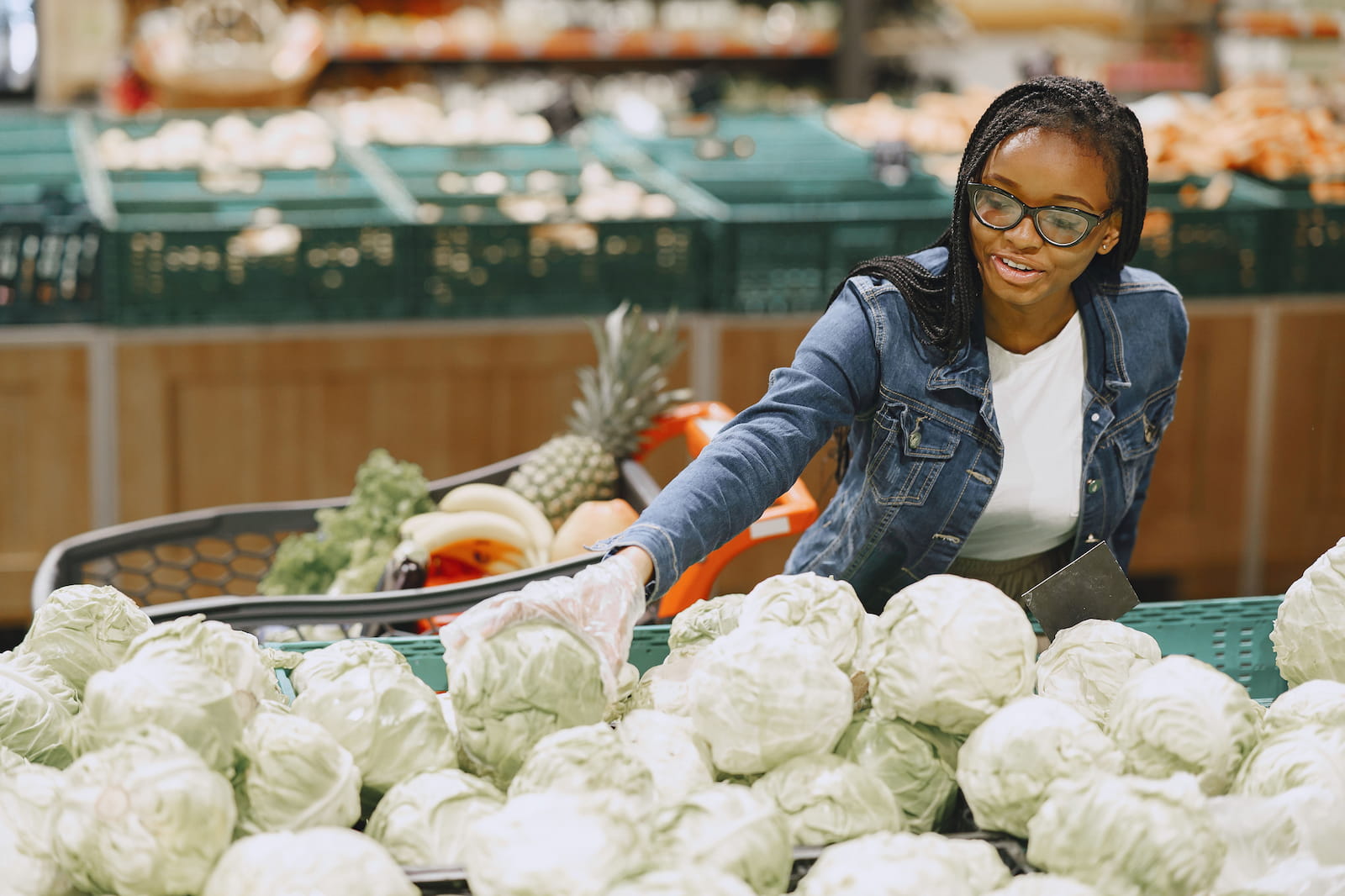
Fall is notoriously known for having some of the best comfort foods, especially since two popular holidays happen within this season. From candy-filled spooky nights to creamy sweet potato pie-filled days, there’s no better time to focus on eating fruits and vegetables to support your well-being.
And, shockingly, some of these veggies are soul-food classics. Jonell Nash, the food editor at Essence, is encouraging us to embrace soul food as our medicine and health intervention, explains Public Health Post.
In this guide, we’ll share the best foods to add to your fall grocery list with some soul food staples top of mind. Let’s get into it.
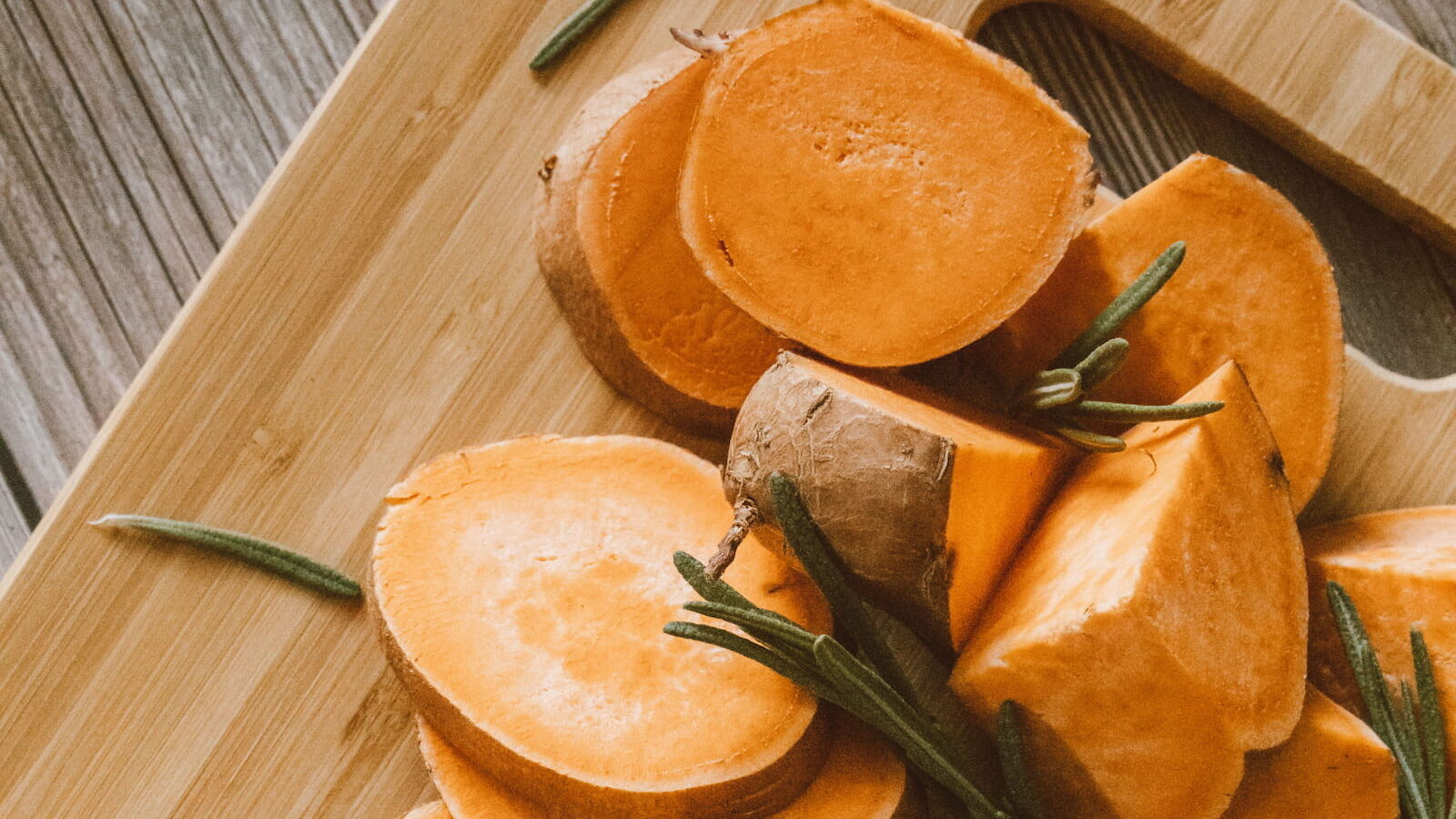
Sweet potatoes
If a sweet potato was the first thing to come to mind, you’re correct! Sweet potatoes are highly nutritious, starchy root vegetables that come in a variety of colors like red, purple, orange, and even white. They’re sweet, tasty, and a staple in soul food and Southern cooking.
One large baked sweet potato with skin clocks in at 162 calories. It provides 3.62 grams of protein, 5.94 grams of fiber, and 37.3 grams of carbohydrates, per the United States Department of Agriculture (USDA). They’re also a good source of vitamin A, vitamin C, niacin, copper, vitamin B6, pantothenic acid, potassium, and manganese.
According to Healthline, sweet potatoes support eye, immune, and gut health and contain nutrients that may protect healthy brain function.
RELATED: 10 Delicious Fall Stews That Won’t Derail Your Diet
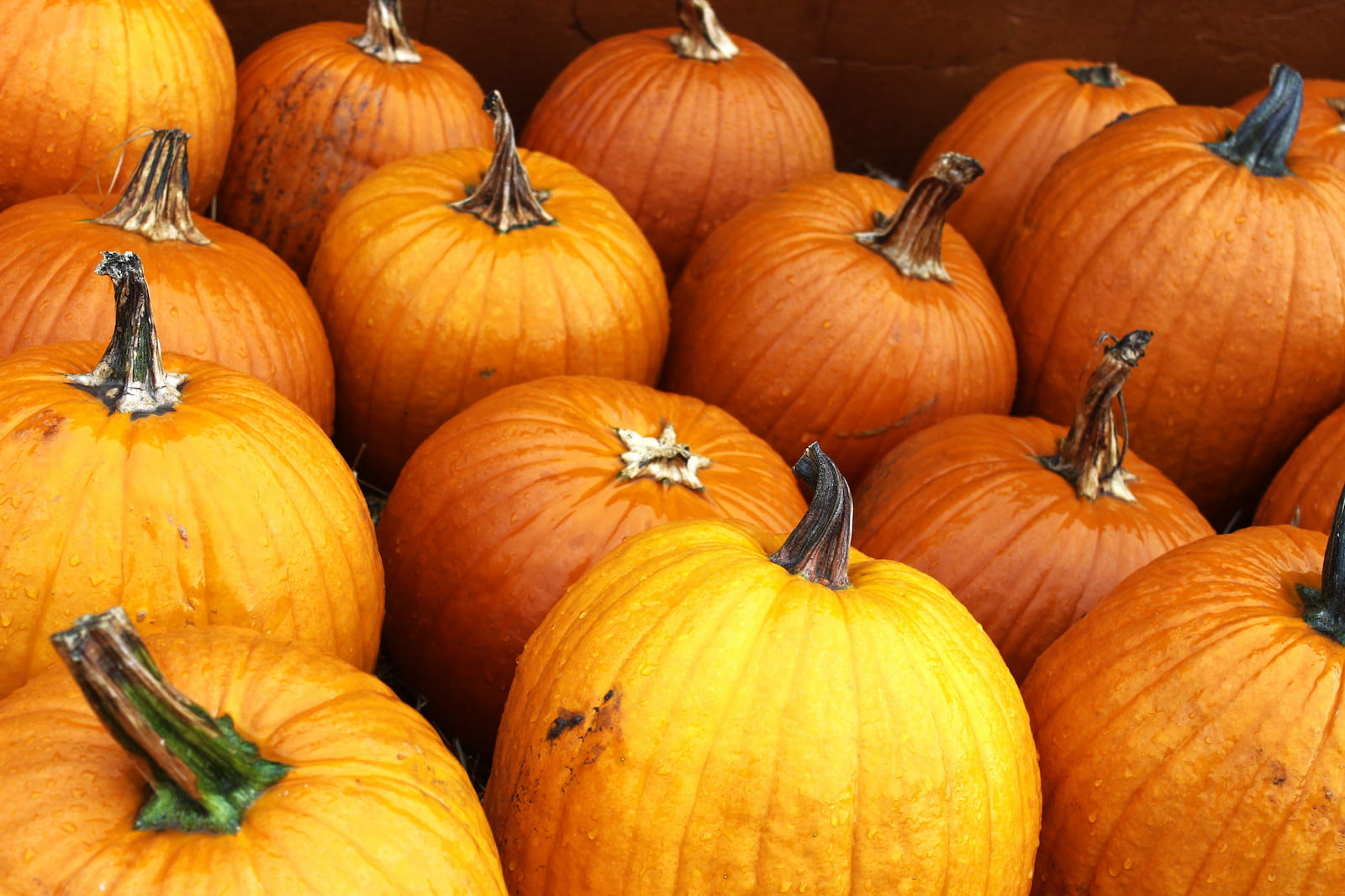
Pumpkins
Nothing screams fall more than pumpkins, the quintessential vegetable of autumn. So, even if you’re “team sweet potato” (especially when it comes to pie), pumpkins still deserve a spot on your table.
Pumpkins are a nutrient-rich, low-calorie food. They’re high in fiber and contain beta-carotene, a powerful antioxidant that gives pumpkin its orange color. According to UH Hospital, beta-carotene from foods may help reduce inflammation, prevent cancer, and lower the chance of stroke.
What’s more, this veggie is an excellent source of vitamin C, vitamin A, vitamin E, iron, magnesium, and potassium. These minerals and vitamins help regulate blood pressure, boost immunity, and support skin and eye health.
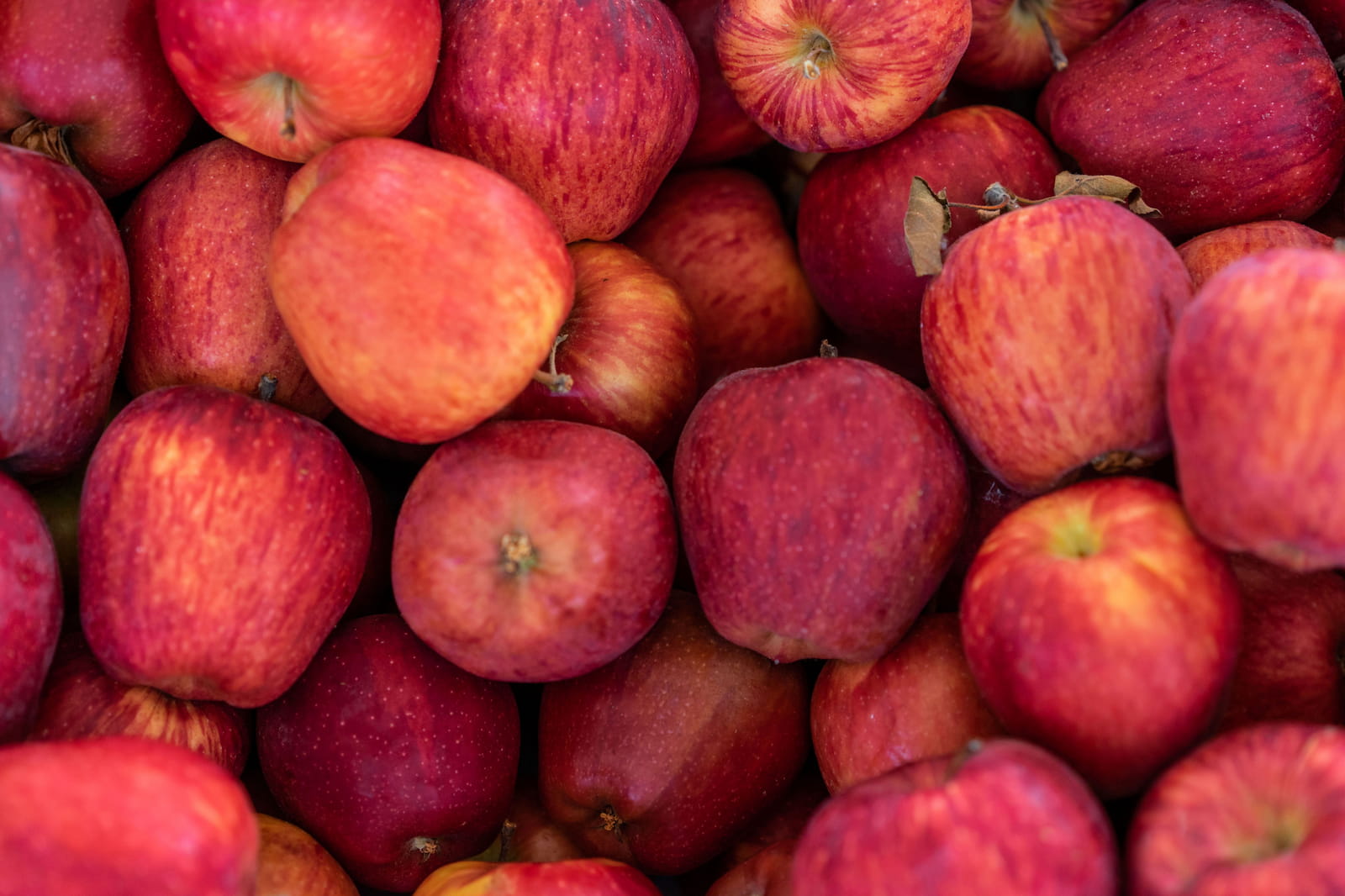
Apples
Apples are the most popular fruits worldwide, and according to the Mayo Clinic, nearly 2,500 varieties are grown in the U.S. They contain 85 percent water and are packed with antioxidants that have anti-cancer properties and support digestion.
Chomp on an apple if you want to add bulk to your stools, enhance brain health, or support blood sugar regulation.
RELATED: Immune-Boosting Fall Smoothies You’ll Want All Season
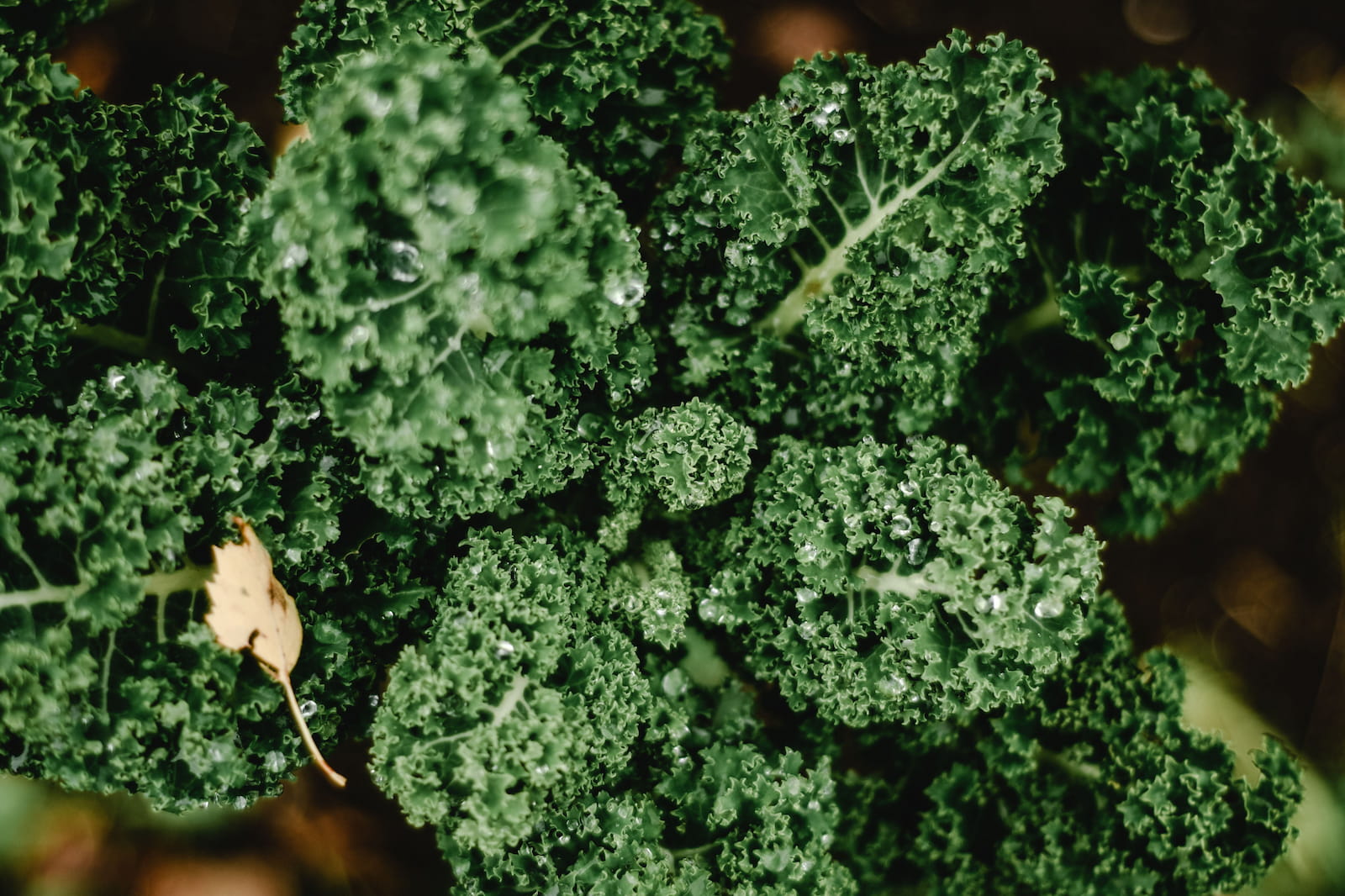
Kale
Kale is a dark-green leafy superfood, widely praised for its multifunctional health benefits. It does wonders for your gut microbiome, improves your immune system, and helps boost your skin’s natural glow, according to Hartford Healthcare.
Research from a 2025 study found that a kale-rich diet can lower the risk of certain cancers, type 2 diabetes, and cardiovascular diseases.
Green leafy vegetables like kale are also high in vitamin K. People taking certain blood thinners (warfarin) should aim to keep a consistent intake of vitamin K-rich foods (rather than bursts of eating lots of them followed by a stretch of none at all).
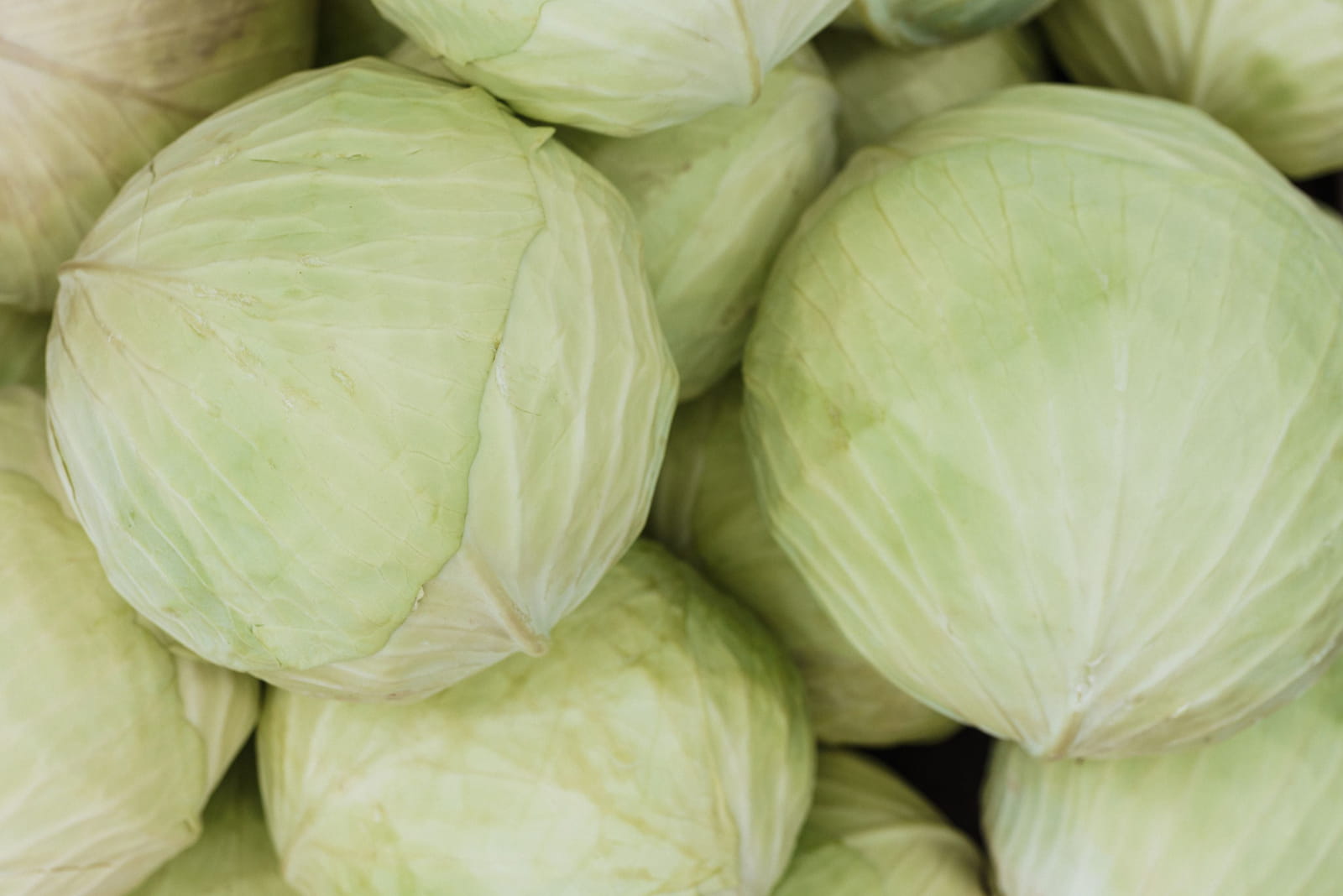
Cabbage
Cabbage is a beloved soul food staple. The Journal of Nutrition notes that cabbage has been a primary food source for Black Americans living in rural parts of Washington, D.C., Eastern Virginia, Philadelphia, Alabama, and the Black Belt since roughly 1892.
While it’s not as trendy as carrots or potatoes, its nutritional profile puts it on the coveted superfood list and offers a flavorful connection to our ancestors and culture.
Cabbage is rich in fiber, antioxidants, vitamins, and minerals such as vitamins B, K, and C, manganese, folate, copper, and potassium, according to WebMD. It’s also low in calories. In fact, one cup is only 22 calories.
According to WebMD, cabbage promotes healthy digestion and brain health. Cabbage leaves have also been used topically to help ease breast pain and engorgement during breastfeeding. Eating cabbage may also support healthy blood sugar regulation and lower inflammation.
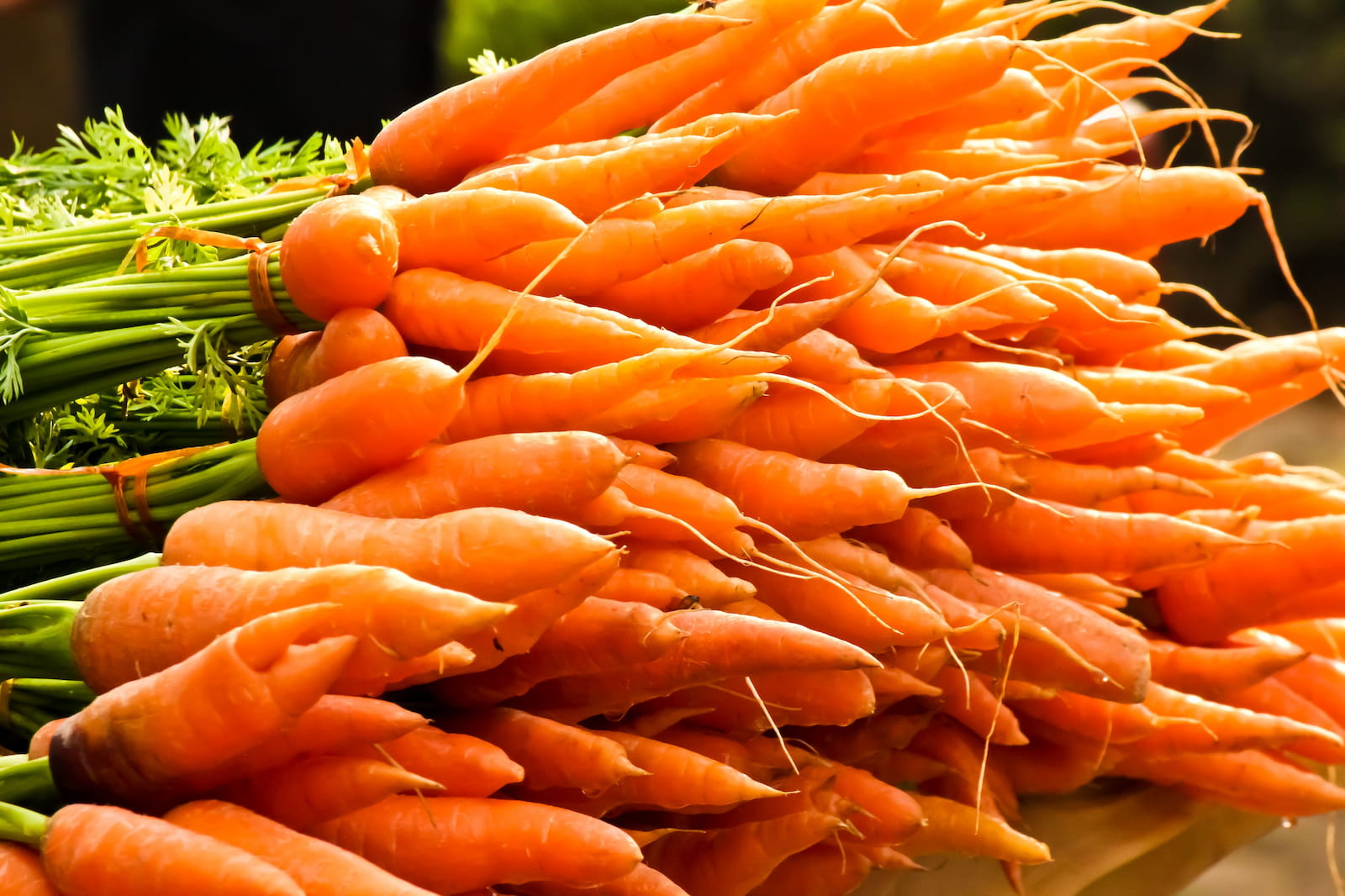
Carrots
Carrots are one of the most popular root vegetables, and for good reason. You can eat them raw or cooked; they’re budget-friendly and pair well with almost any meal – sweet or savory.
Carrots’ high fiber content makes them great for relieving constipation, controlling blood sugar levels, and increasing satiety, which in turn may help with weight loss, points out Cleveland Clinic. What’s more, they contain nutrients that promote eye, heart, and brain health.
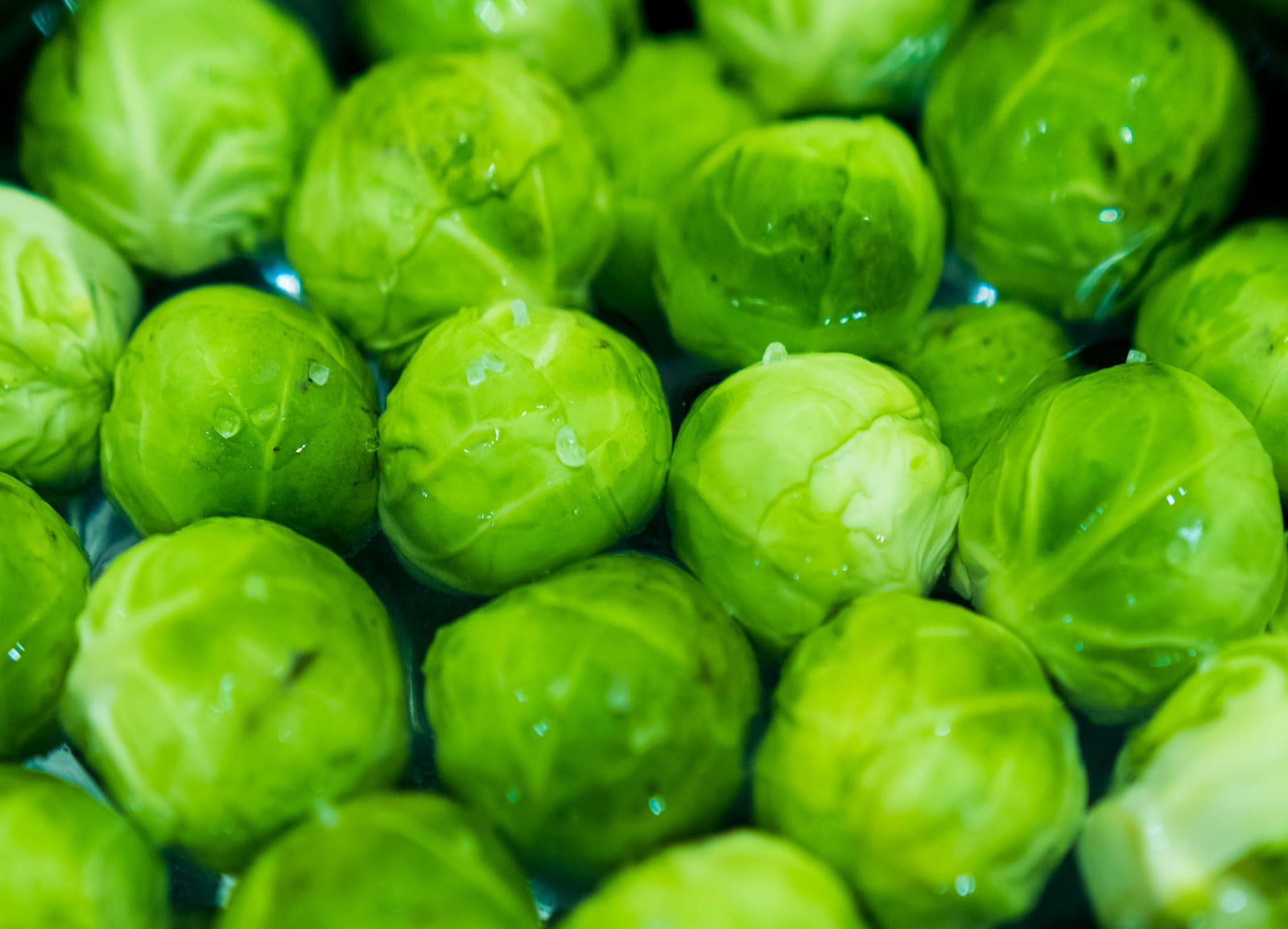
Brussels Sprouts
Even though this bitter veggie is commonly disliked by kids, it seems like nearly every restaurant is serving crispy fried Brussels sprouts nowadays. But why?
Well, Brussels sprouts are a superfood loaded with antioxidants and low in calories. Half a cup contains only 28 calories and is a good source of vitamin K, folate, vitamin C, and vitamin A, according to the Cleveland Clinic. The high-vitamin C levels may even rival oranges!
Besides supporting the immune system, they may reduce inflammation, stabilize blood sugar levels, improve cardiovascular health, and support digestion.
Pears
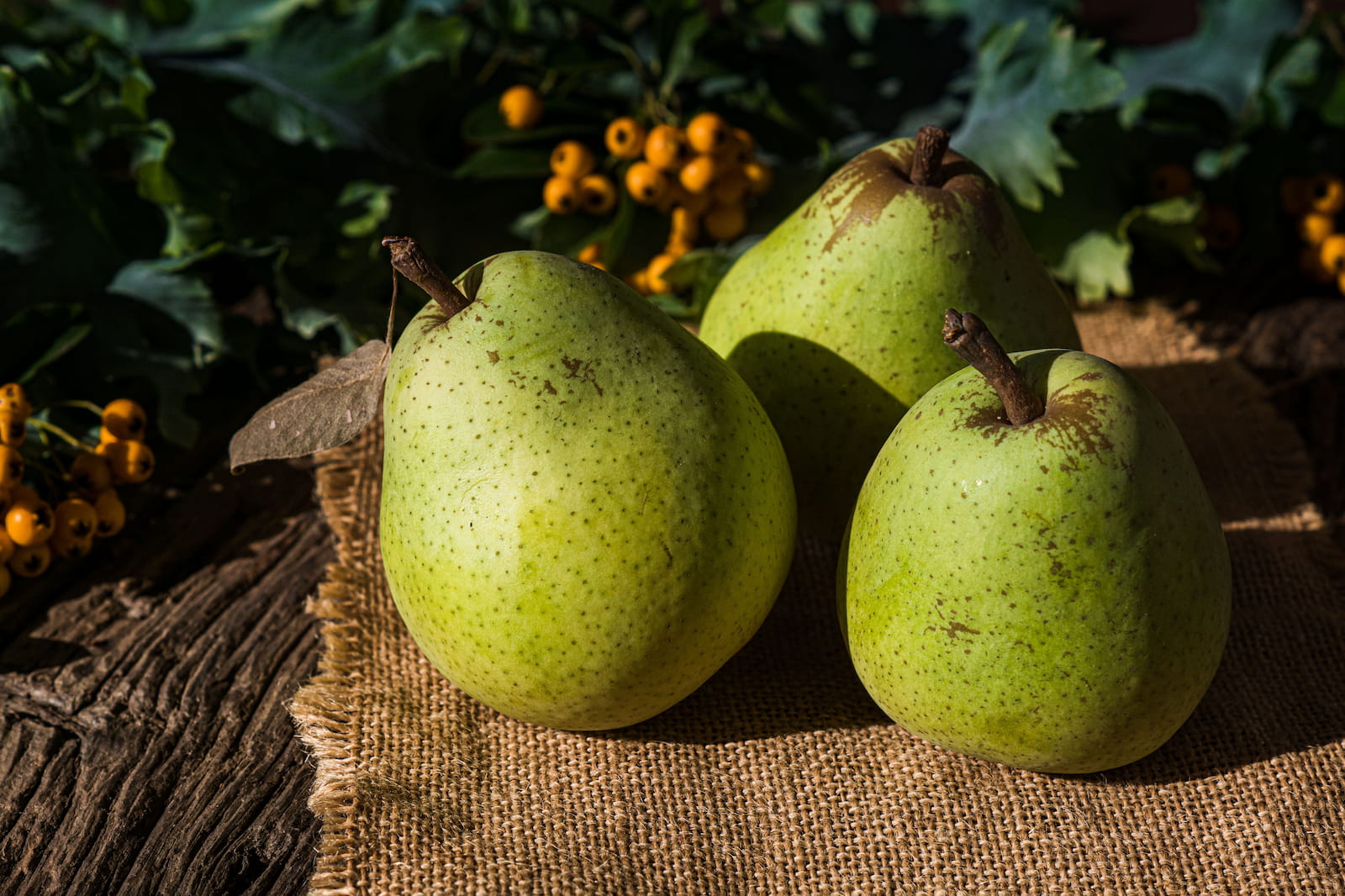
Did you know one pear provides almost one-fifth of your recommended daily fiber goals?
Pears contain a soluble fiber called pectin, which feeds beneficial gut bacteria, may help lower LDL (“bad”) cholesterol levels, and balance blood sugar, according to Hartford Health. Fiber helps with satiety, so you feel full longer too.
Pears are extremely hydrating, versatile, and an affordable option for a naturally sweet treat. It’s no wonder they’re a fall favorite!
Pomegranates
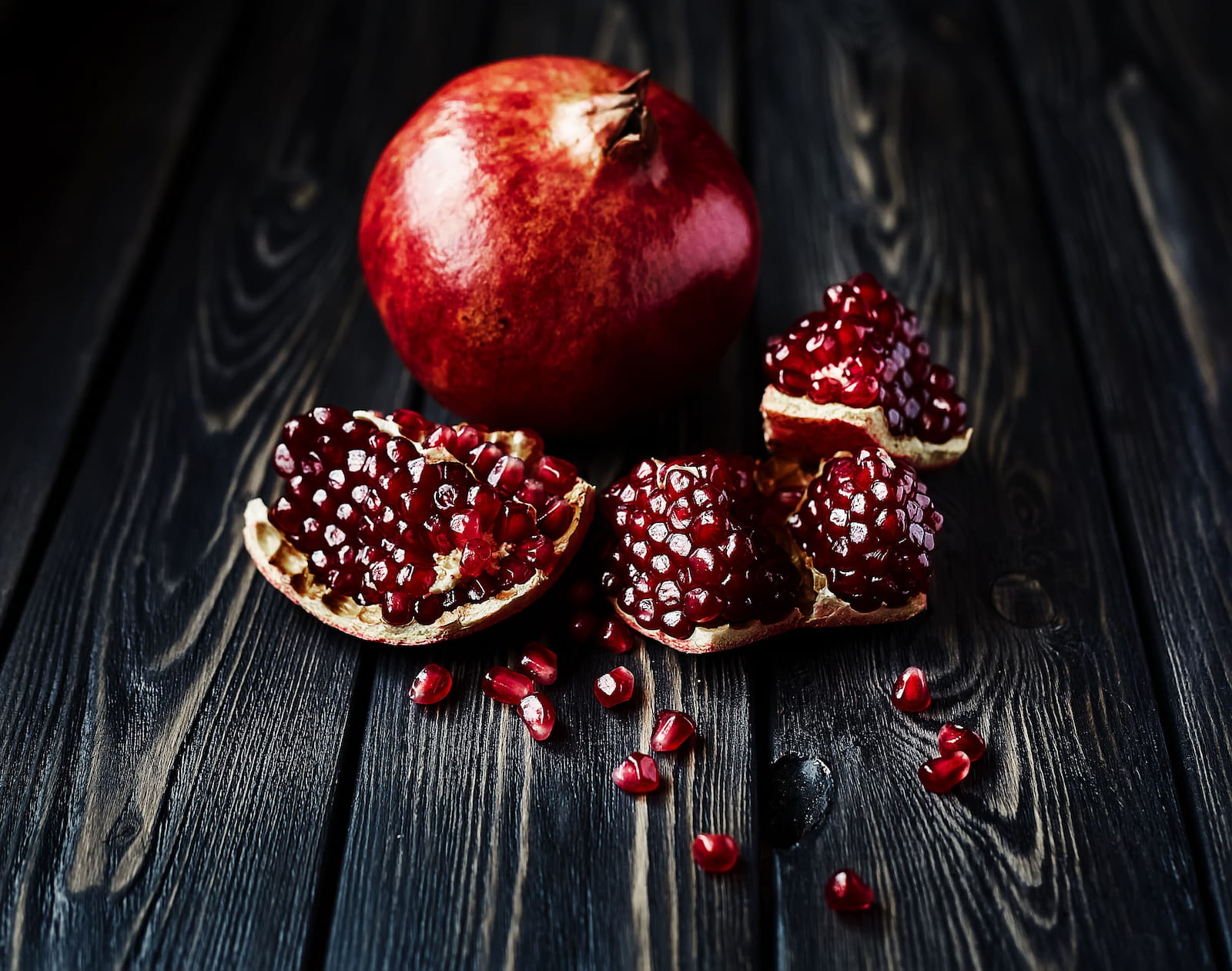
If you’ve ever been dazzled by the crimson-red skin of pomegranates, you’re in great company. Yes, the juicy arils add a pop of color (and sweet-tart flavor) to any dish, but the nourishing qualities are why they’re on our fall list.
Pomegranates are packed with antioxidants – nutrients that protect cells by fighting against damage from free radicals.
Thanks to their powerful antioxidants and nutrients, pomegranates support heart health, promote digestive health, increase exercise endurance, aid urinary health, and reduce inflammation, according to Healthline. Early research in worms suggests that compounds produced when gut bacteria break down pomegranate may help protect against Alzheimer’s-related changes.
Beets
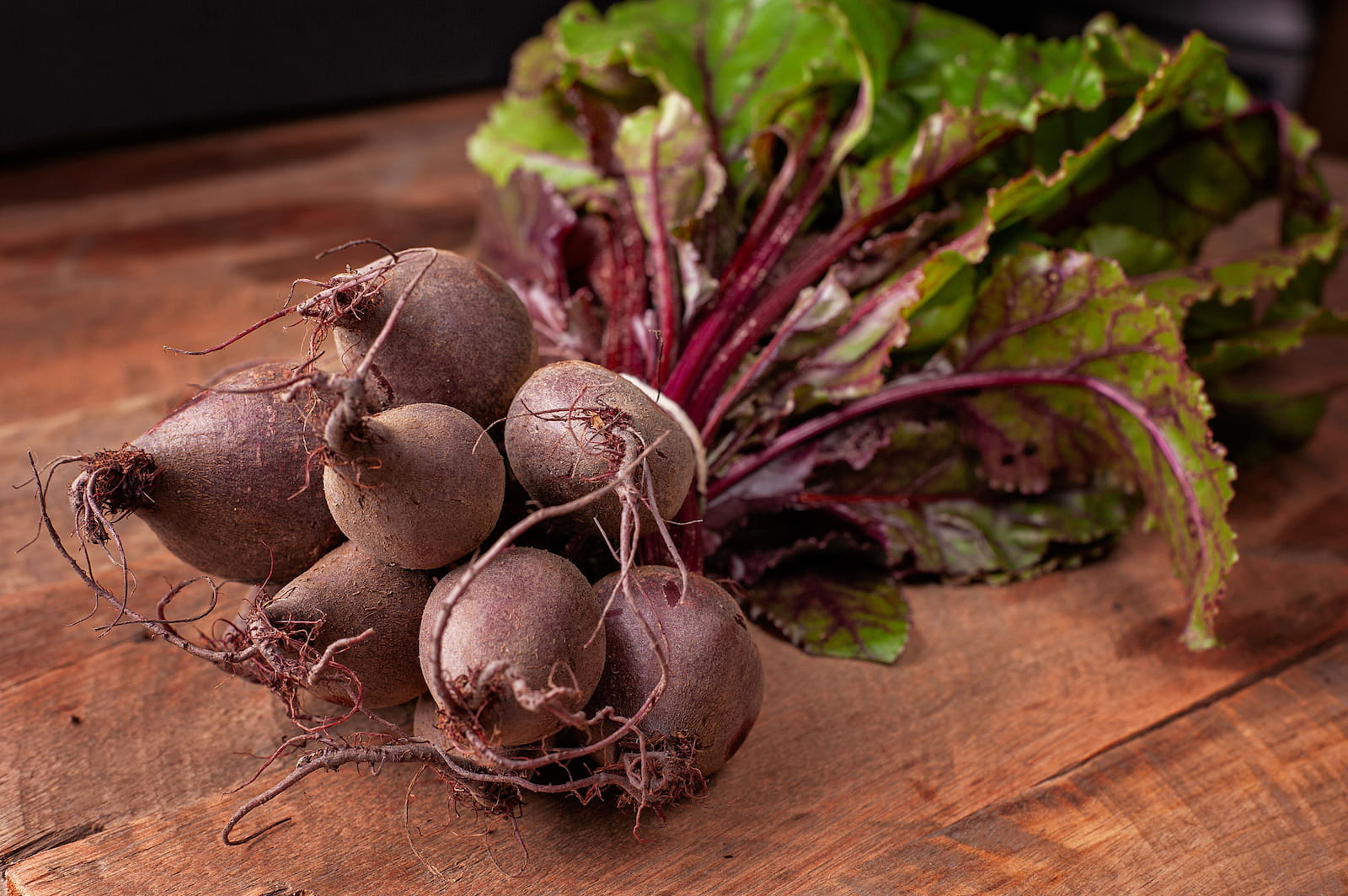
Beetroot is an underrated root vegetable, known for its bright purple interior and earthy flavor. This high-fiber, low-calorie vegetable offers impressive health-promoting properties because it’s packed with vitamins and minerals such as folate, iron, copper, and manganese, according to Healthline.
One review found that adding beetroot juice to your diet may improve athletic endurance since beets contain dietary nitrates.
Beets may also enhance brain health, reduce cholesterol levels, improve digestion, and help balance energy.
While many of these foods are available year-round, fall is when they shine. Consider using this fall checklist next time you’re at the store to find seasonal produce.