
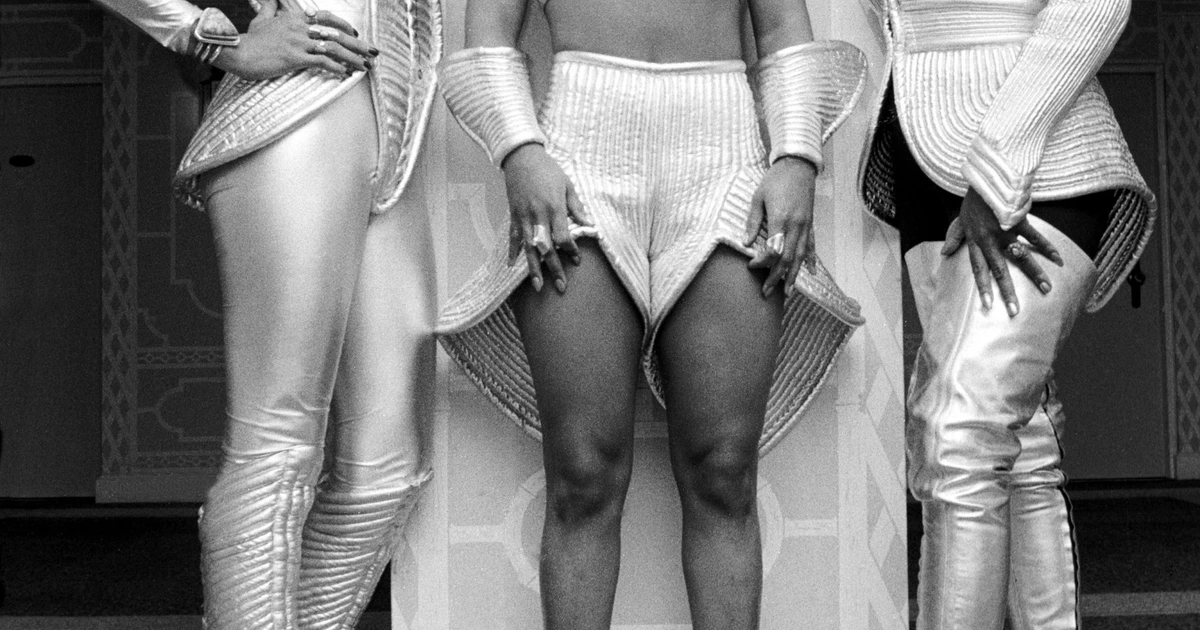
Here’s what the Afrofuturistic style of dressing has meant to our culture—and what the future of Black fashion may entail.
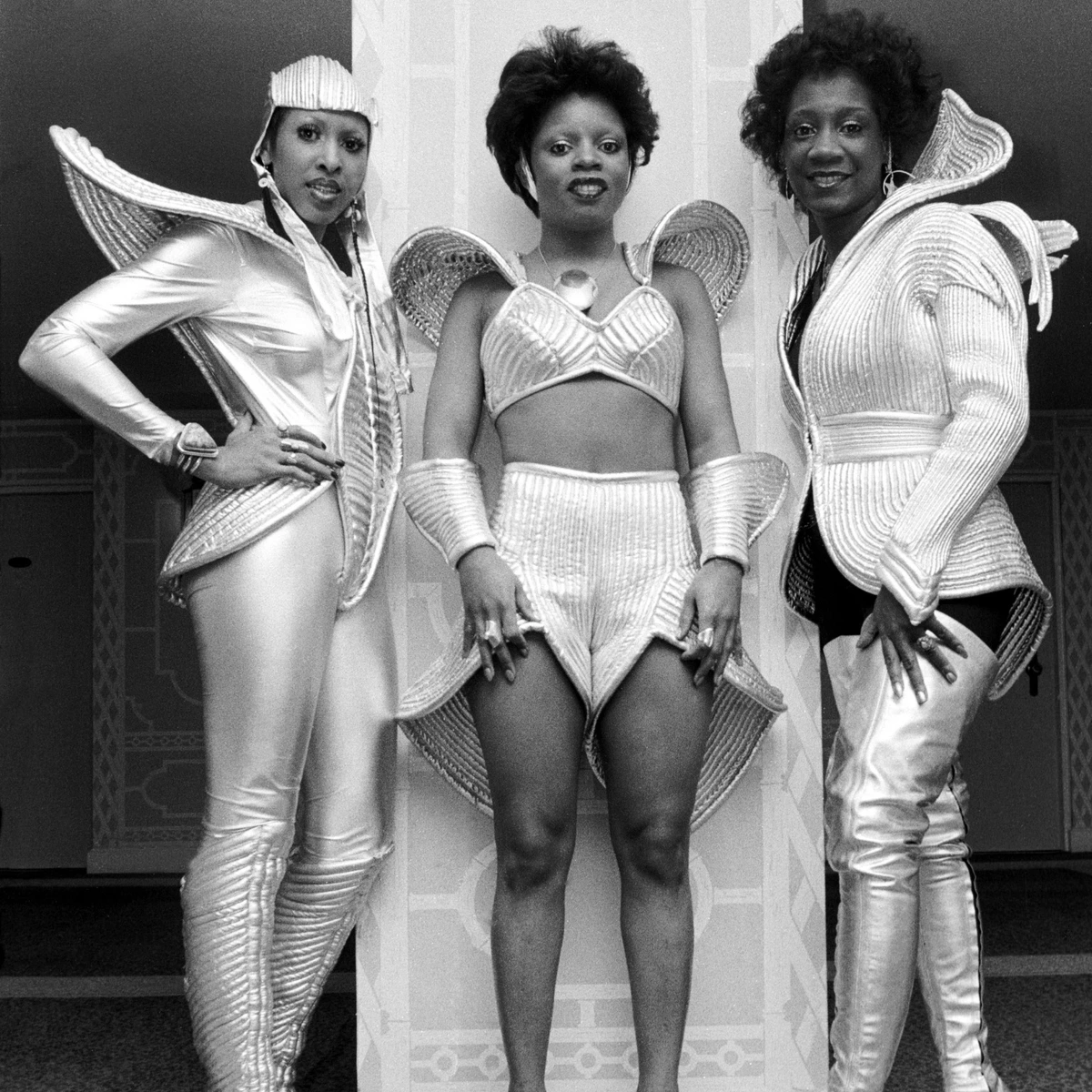
It seems that every day has become one to deal with rather than one to be present in. Meanwhile, Black artists are the through line of the music, art and fashion imagery that keep us as grounded as possible. The cultural movement of Afrofuturism—which blends history, technology, art, science fiction and the traditions we refuse to let die—uplifts Black people and creatives.
The artist Le Sony’r Ra, also known as Sun Ra, was often called the “Godfather of Afrofuturism.” His experimental music, poetry and fashion sense embodied this movement; he would often dress up as an extraterrestrial onstage, with Egyptian influences throughout his outfits. In 1974, he premiered his feature film Space Is the Place, starring himself and his bandmates, The Arkestra. This flick depicts captivating visuals of Afrofuturism—following the protagonists on a mission to teleport Black people, through music, to a new planet that’s just for them.
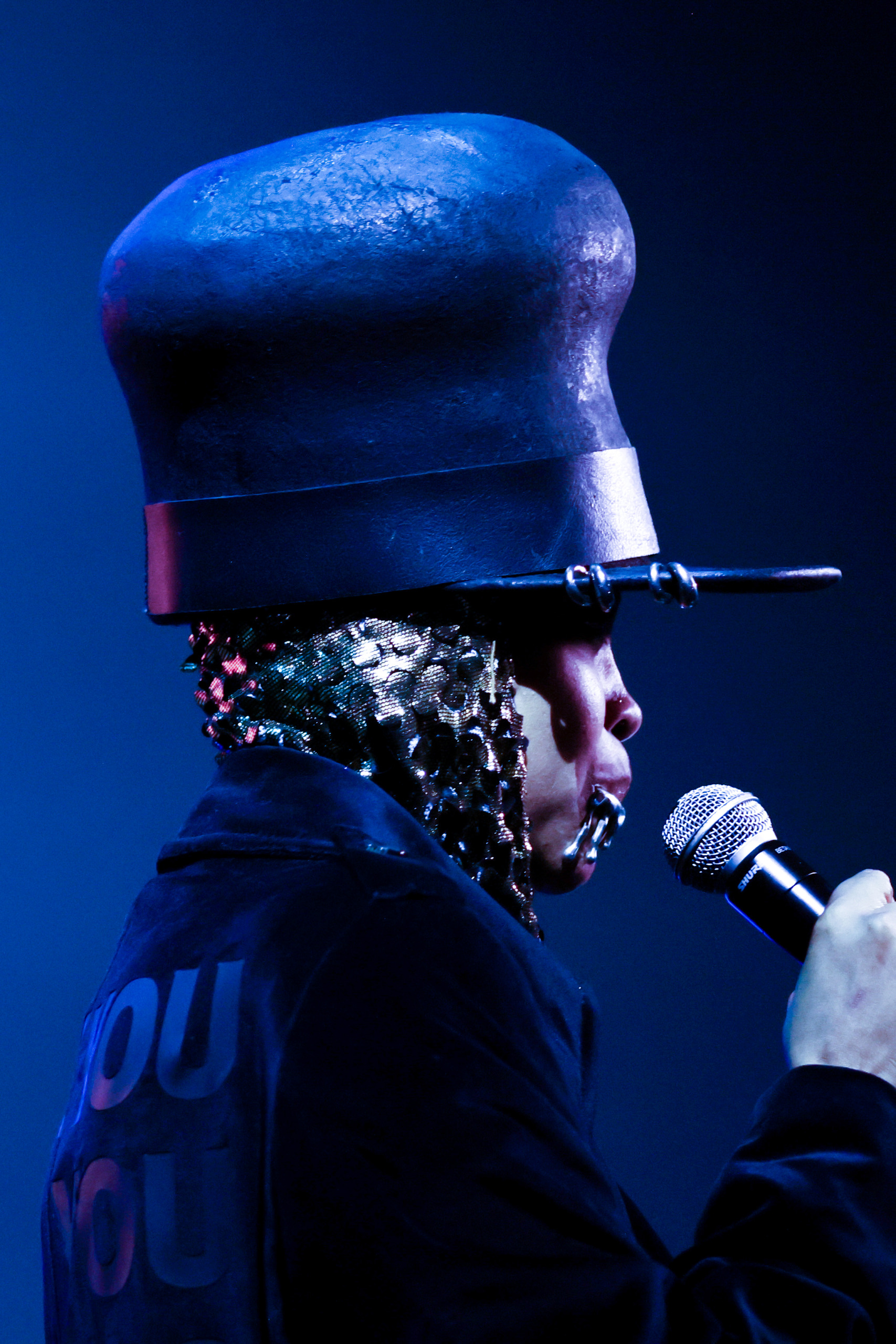
Other musicians, such as Erykah Badu, have also incorporated Afrofuturism into their aesthetics. Badu’s 2008 New Amerykah and 2010 New Amerykah Part Two (Return of the Ankh) albums both displayed an otherworldliness, in their visuals and in her neosoul sound. Even now, Badu’s personal style is imaginative. She often pushes boundaries of proportion (such as with oversize hats); experimental makeup and custom jewelry, including grills and tooth caps, are also firmly in the mix. The next generation of Afrofuturists in fashion might be few in number thus far, but one standout is content creator Wisdom Kaye, who rose to fame on TikTok in 2020. His outfits have drawn an audience of almost 15 million followers. Kaye is not afraid of self-expression, often creating outfits that reflect the past and the future at the same time.
Black fashion creatives have built a community of their own, and it has grown a lot in recent years. While the DEI initiatives have dwindled, promises … made have been unfulfilled, and hopes of a truly equitable society seem lost, the Black fashion industry should look to Afrofuturism to rekindle optimism. Black people in America have pushed through discrimination since 1619. The next era of the Black experience is about to begin—and one way we mark history is through art and fashion. The state of Black fashion may seem uncertain, but its future is surely bright.
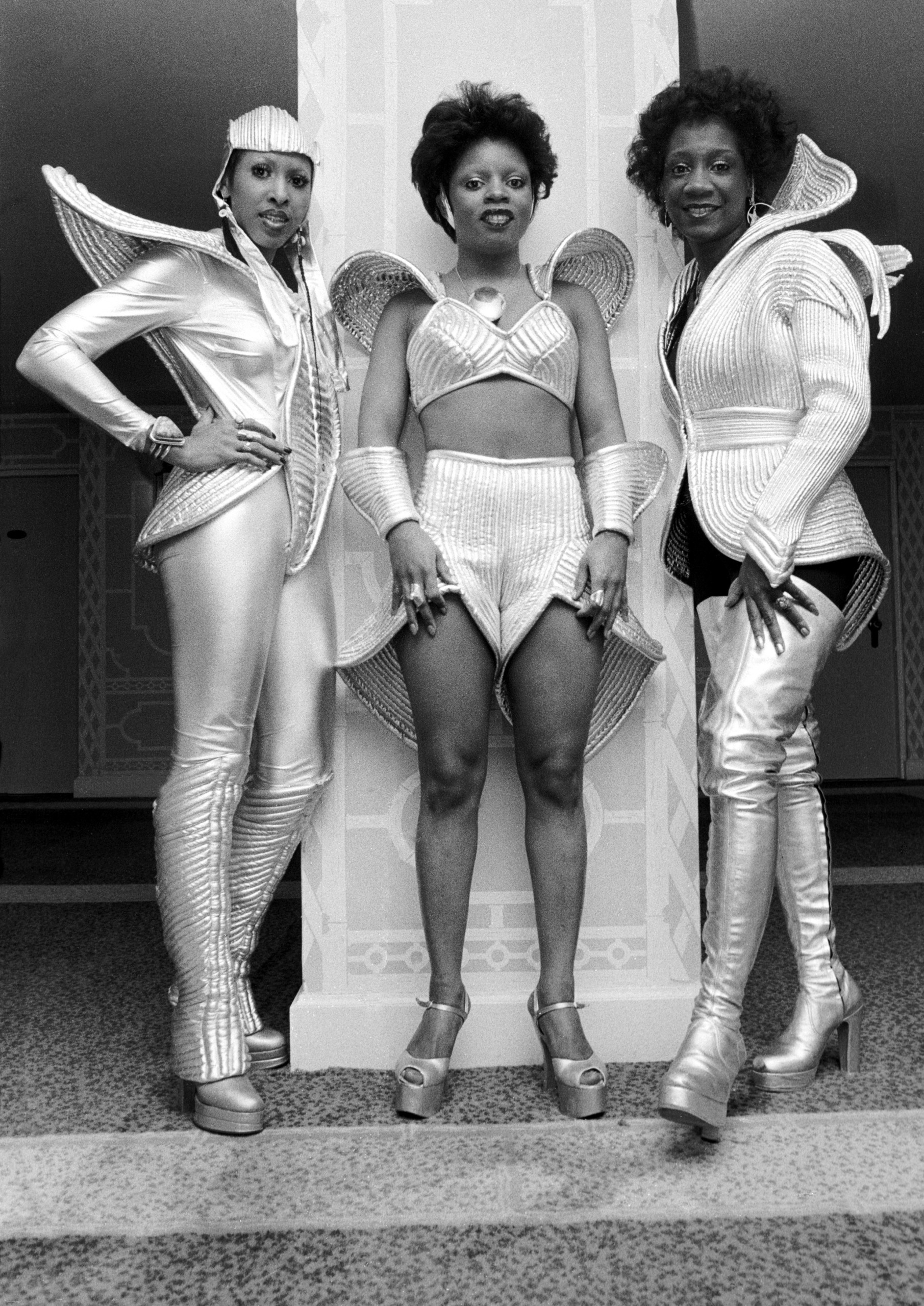
“I believe Black fashion will continue to push boundaries. We’re entering an era where the lines between designing a product, styling an image and storytelling are becoming even more fluid,” says Missy Mickens, an NAACP award–winning beacon in the art of costume design and a founding member of the International Society of Black Costume Designers. “They’re all connected, but fashion and costumes shape culture differently. Recognizing that really opens up how we think about influence—who is shaping our stories and who gets credit for it.” To Mickens, Afrofuturism is about possibility and controlling our own narratives: “It allows us to imagine ourselves past limitations and stay rooted in our history, so in fashion that shows up in how we express our identity across timelines.”
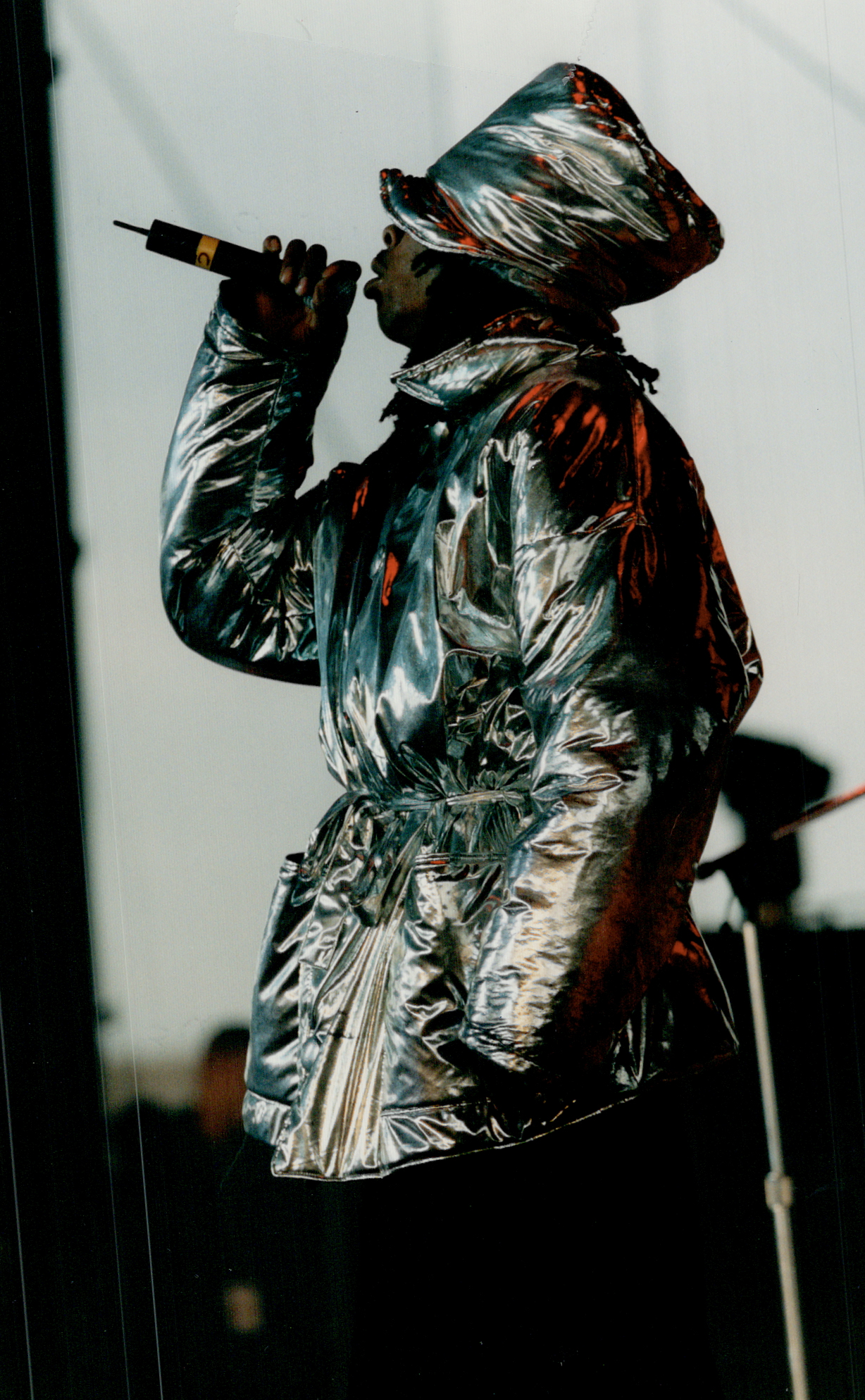
Raise Fashion cofounder Felita Harris has similar sentiments. “When I think about where Black fashion will be in the next 250 years, I see Black aesthetic moving from something the industry borrows to something the industry is built on,” she says. “I see Black designers not just at the table but architecting it. The talent has always been there. What’s catching up now is the ownership, and once that fully locks in, the trajectory changes for good.
“Two hundred fifty years from now,” she continues, “the hope is that the infrastructure, the consumer base, the generational wealth and a cultural record that cannot be erased will have produced legacy Black-owned brands with the collective resources to fund the next generation. That’s not wishful thinking—that’s the direction this has always been heading.”
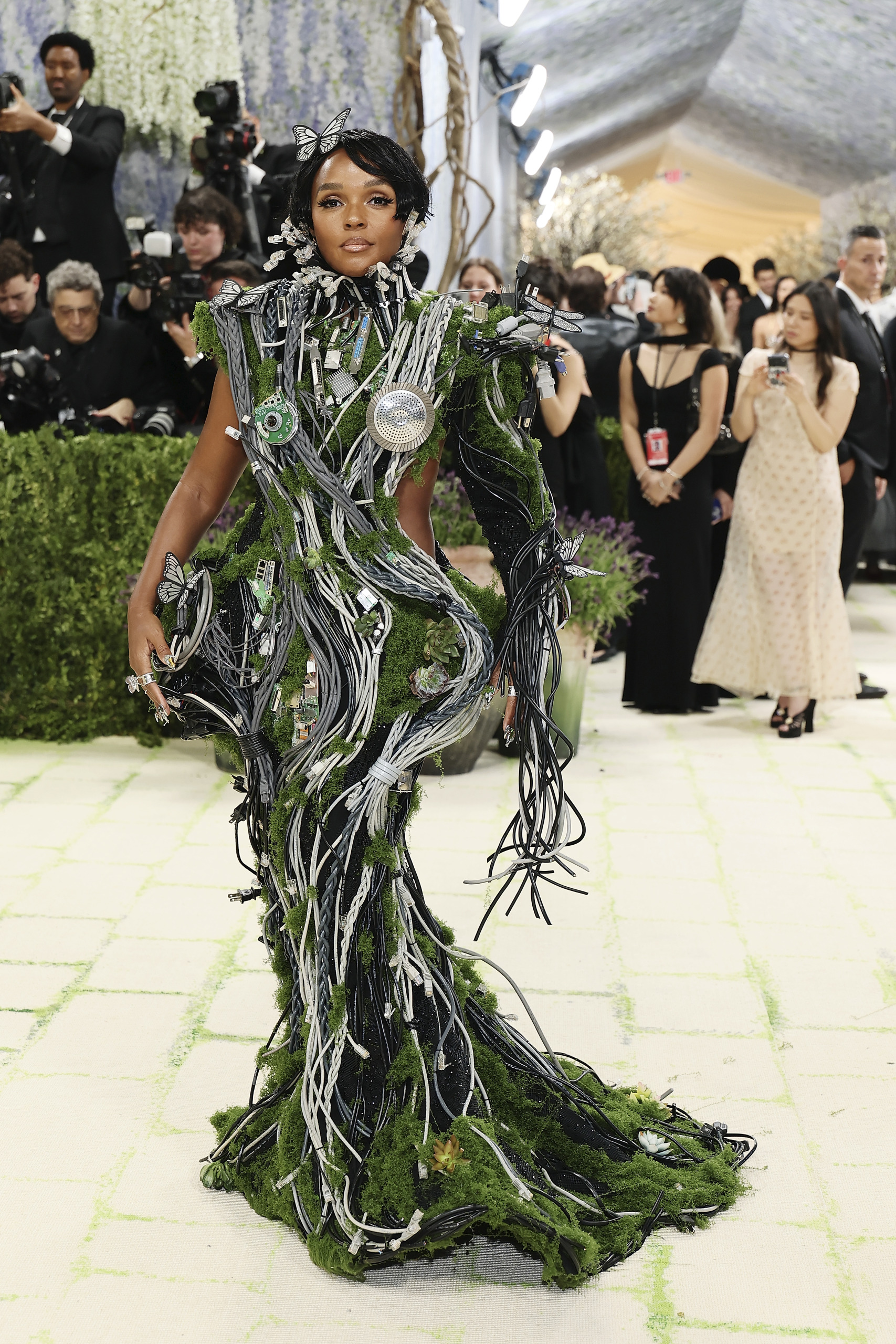
Rian Phin, a fashion-theory content creator and one of the leading young voices in Black fashion, says that Afrofuturism means believing in a future in the first place. Phin’s video declarations often express hope regarding Black fashion—and that is exactly what will drive traditional and futuristic styles forward, in our lifetime and beyond. “Using the experiences of the past, learning from our elders, [calling on] past and current technology—whether digital or ecological—to lay groundwork for a better future, and thinking collectively about expansion and boundless visions of Black expression,” he states, is Afrofuturism.
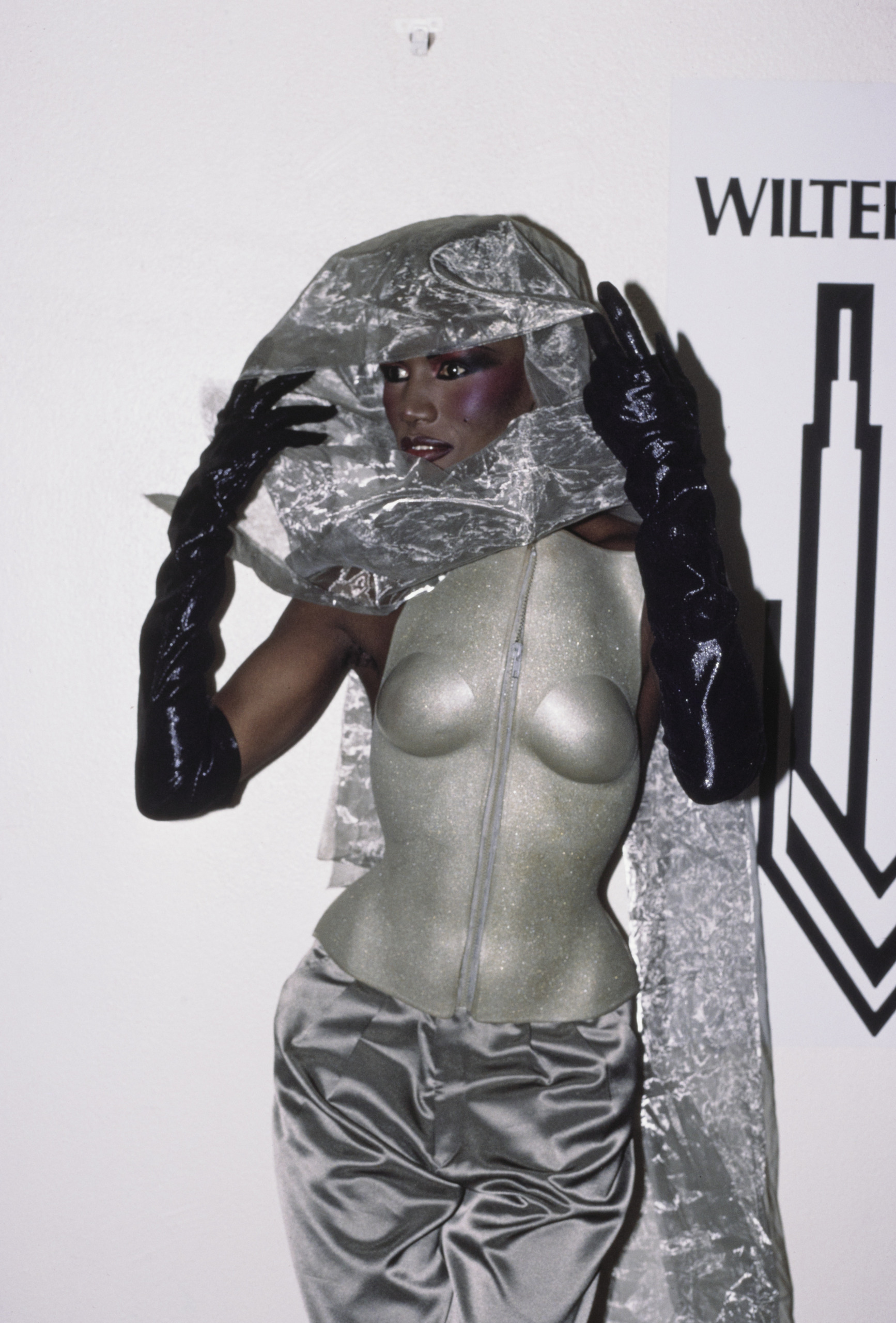
Think about the music video for Busta Rhymes’ and Janet Jackson’s “What’s It Gonna Be?!” Recall her dark makeup and royal purple top, cinched with a corset, and Busta Rhymes in a full silver robot suit. The rooms they’re in look like they’re on a completely different planet—and maybe they are. Hype Williams is the architect and director of a plethora of Afrofuturistic music videos that featured Black fashion at its most hopeful. Missy Elliot’s music videos for “The Rain (Supa Dupa Fly),” “Sock It 2 Me” and “Get Ur Freak On” all use incredible CGI to reflect a world we have yet to experience. Renowned stylist June Ambrose is the mastermind behind Missy’s transcendental outfits. You’d think looking back to the 1990s would be about nostalgia, but contrarily, the past is looking forward as well. Let these fashion moments serve as a reminder.
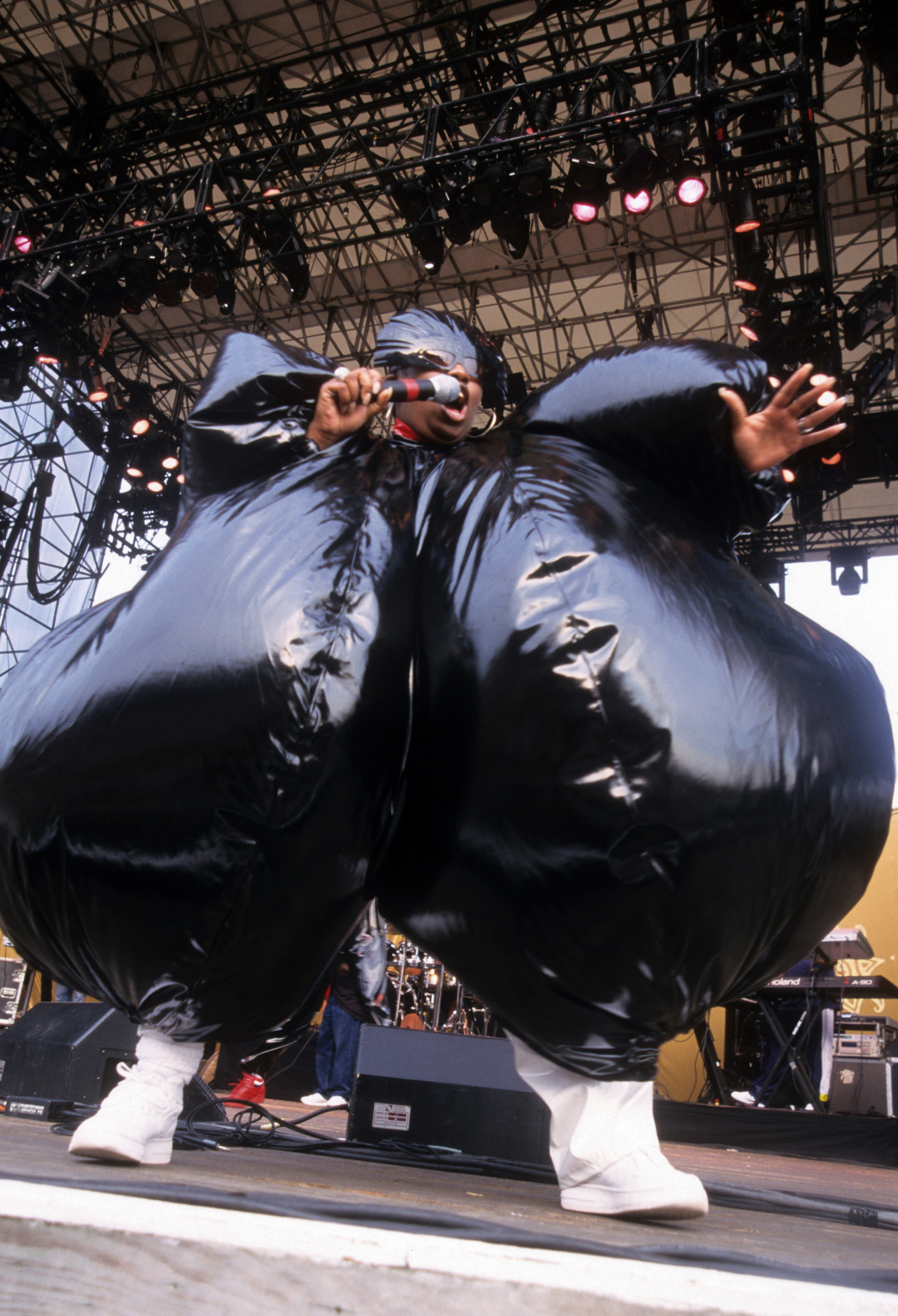
According to Harris, “Afrofuturism is actively refusing to let the past define the ceiling. It is the radical imagination that says Black people are not just surviving history, we are authoring the future.” It gives Black fashion creatives the space to “design without apology,” drawing inspiration from the African diaspora and marrying it with what is ahead of them: a world that does not yet exist but should. “When I see a Black designer take real creative risks with how something is constructed, what it’s made from or what story it’s telling,” Harris continues, “that is Afrofuturism in practice. It goes beyond how something looks. It is about the freedom to create on your own terms.”
Black people have always helmed the art of storytelling in the midst of oppression. Escapism through Afrofuturism isn’t new, but it is still necessary. It serves as a balm to feeling stifled unfairly; it’s an invitation to remember who you are and to dream further than the circumstances. Black creatives are a driving force to be reckoned with because in the face of uncertainty, subjugation and limited resources, they rise above—creating a new world, just for them.