
Most people plan a mountain vacation around the big moments. They think about the drives, the trails, the shows, the meals out, and the long list of things they mean to see before the week is over. What almost nobody plans is the morning.
Yet in Pigeon Forge, where the air is cool at dawn, and the light comes up slowly over the ridges, the first hour or two of the day is often the part travelers remember longest. It is the quietest stretch you will get, and it belongs entirely to you.
Where the Morning Begins
Mornings on vacation often pass in a rush, with everyone hurrying out the door before the day gets away from them. The trouble usually starts with where you slept, because a cramped, noisy room pushes people outside long before they are ready to face the day.
A calm, well-kept place to stay changes that entirely, giving you somewhere you actually want to linger. Travelers looking for exactly that often end up at The Lodge at Five Oaks, a comfortable hotel near Pigeon Forge where the first hour of the day feels like part of the vacation rather than an obstacle to it.
Why the First Hour Sets the Tone
There is a reason a rushed start can sour an otherwise good day. When you wake up already behind, every decision after that feels like a small emergency. Someone forgets a jacket. Someone else wants breakfast and gets told to wait. By the time the group finally gets moving, the mood has soured, and the mountains have to work overtime to win everyone back.
A slow morning does the opposite. It gives the day room to begin. People wake up in their own time, drink their coffee while it is still hot, and talk about what they actually want to do rather than what the schedule says they should do.
What the Mountains Look Like Before Everyone Else Wakes Up
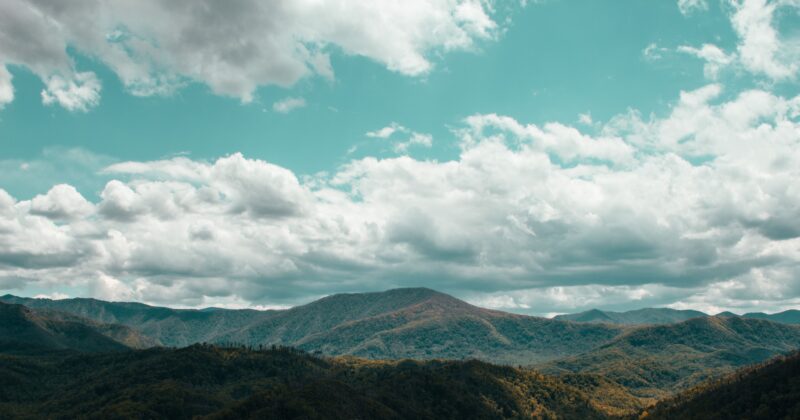
Early morning in the mountains is a different place. Mist sits low in the valleys and lifts as the sun climbs. The parking lots are empty. Birds are loud. The roads that will be crowded by ten in the morning are almost yours alone at seven.
If you can get outside early even once during your trip, do it. A short walk before breakfast costs you nothing and gives you the version of the scenery that photographs and postcards are always trying to capture. Trails that feel busy in the afternoon feel private at sunrise. Overlooks that require patience later in the day are simply there, waiting, with nobody in front of you.
Building a Day That Does Not Run You Ragged
The most common mistake on a mountain vacation is packing too much in. Families arrive with a list of ten things and try to do all of them, then spend the trip driving between them and eating in the car. It looks efficient on paper. In practice it is exhausting, and the days blur together.
A better approach is to pick one anchor for each day and let the rest happen. Choose a hike, a drive, a show, or a long lunch somewhere you have been curious about, and build outward from there. Leave the afternoons loose. If the weather turns or somebody is tired, you have not wrecked a carefully built plan, because there was no carefully built plan to wreck.
This is where the slow morning earns its keep. Without the pressure of a schedule that starts at eight sharp, you can look at the sky, look at the people you came with, and decide what kind of day you are all in the mood for.
Breakfast Deserves More Attention Than It Gets
At home, breakfast is usually something you eat standing up. On vacation, it can be the best meal of the day, and it is worth treating that way at least a few times.
Sitting down together in the morning is one of the few moments on a family trip when everyone is in the same place, unhurried and not yet distracted. Conversations happen at breakfast that never happen at dinner, when everyone is tired, and half the table is scrolling through photos from earlier.
Traveling With Different Speeds in the Same Group
Any group of more than two people contains at least one early riser and at least one person who considers sunrise a personal insult. Trying to force them onto the same clock ruins mornings for both.
The trick is to stop treating the morning as a group event. Let the early risers go for their walk or their coffee run. Let the late sleepers sleep. Agree on a time when everyone will be together and moving, and until then, let people have their own version of the morning. Grandparents often want a quiet start. Teenagers want an extra hour. Small children are up regardless. All of that can coexist if nobody is being marched to a schedule.
Rainy Mornings Are Not Wasted Mornings
Mountain weather does what it likes. Rain rolls in, sits for a few hours, and clears by lunch more often than not. A rainy morning is not a lost day. It is permission to do nothing for a while.
Read. Play cards. Let the kids watch something. Go find an indoor attraction or a long, slow meal and let the sky sort itself out. Travelers who treat rain as a disaster spend the morning frustrated. Travelers who treat it as a built-in rest day tend to come home saying it was the most relaxing part of the trip.
Coming Home Actually Rested
The measure of a good vacation is not how much you saw. It is how you feel on the drive home. A trip stuffed end to end with activity leaves people needing a vacation from their vacation, and the memories flatten into a list of places rather than a feeling.
Slow mornings are the cheapest way to avoid that. They cost you nothing except the willingness to give up an hour of sightseeing, and they give back a sense of ease that carries through the rest of the day. Plan the big things if you want to. Just leave the start of each day alone, and let it be quiet.