
A bit of carefully placed local anesthesia can significantly reduce pain among women receiving an IUD, a new study says.
Currently, doctors insert an IUD with no anesthesia at all or with a frequently painful injection of local anesthetic into tissue around the cervix, researchers said.
A third option — a small amount of local anesthetic introduced into the uterus through a thin plastic catheter — can make the procedure much less painful, researchers reported Sept. 17 in the Journal of the American Medical Association.
Clinical trial results show this option reduces overall pain and makes what pain does occur more tolerable, researchers said.
“It is a simple method that does not require needles and is easy to use in everyday clinical practice,” lead researcher Karin Elgemark said in a news release. She is a doctoral student at Karolinska Institute in Sweden.
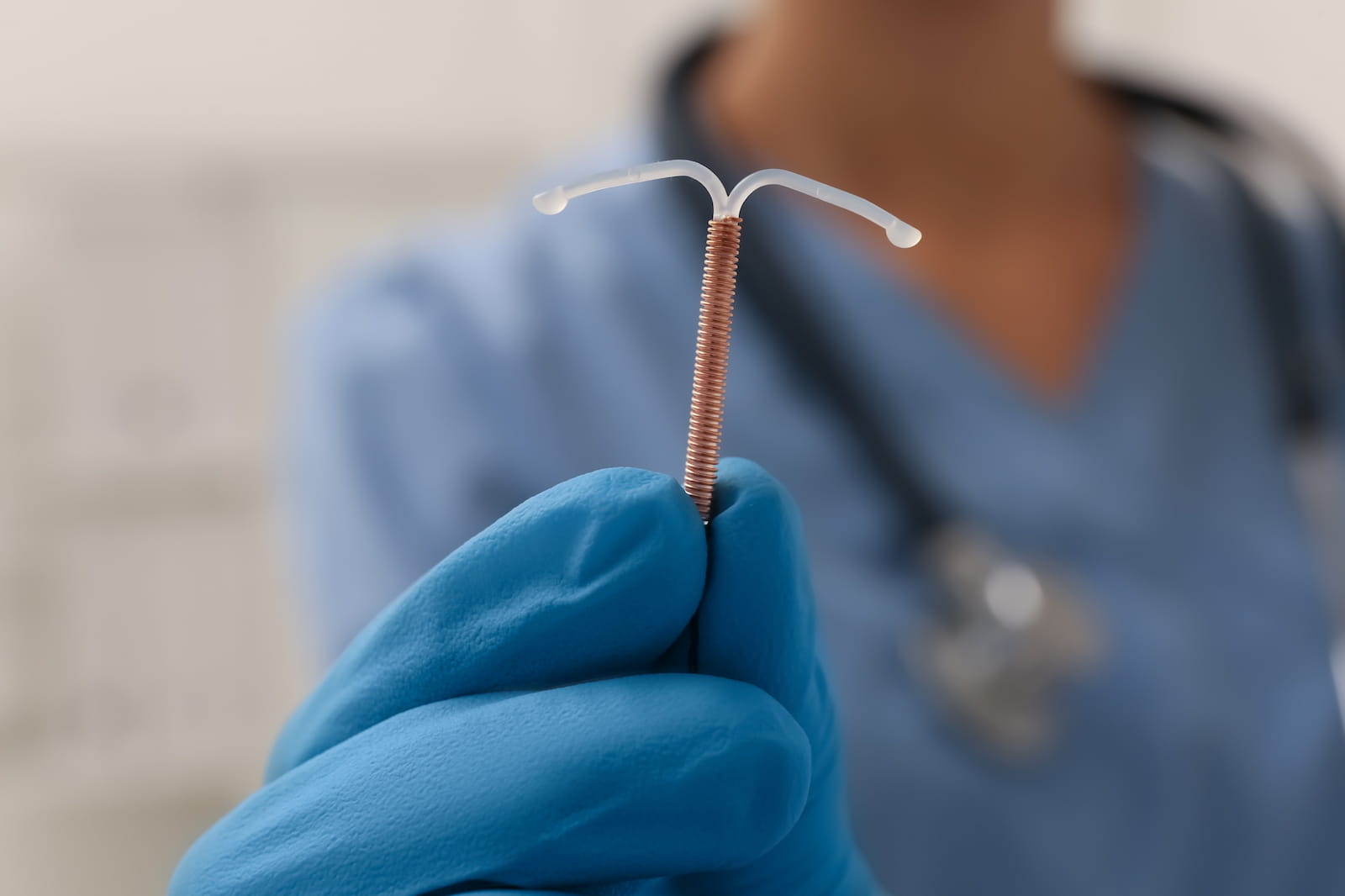
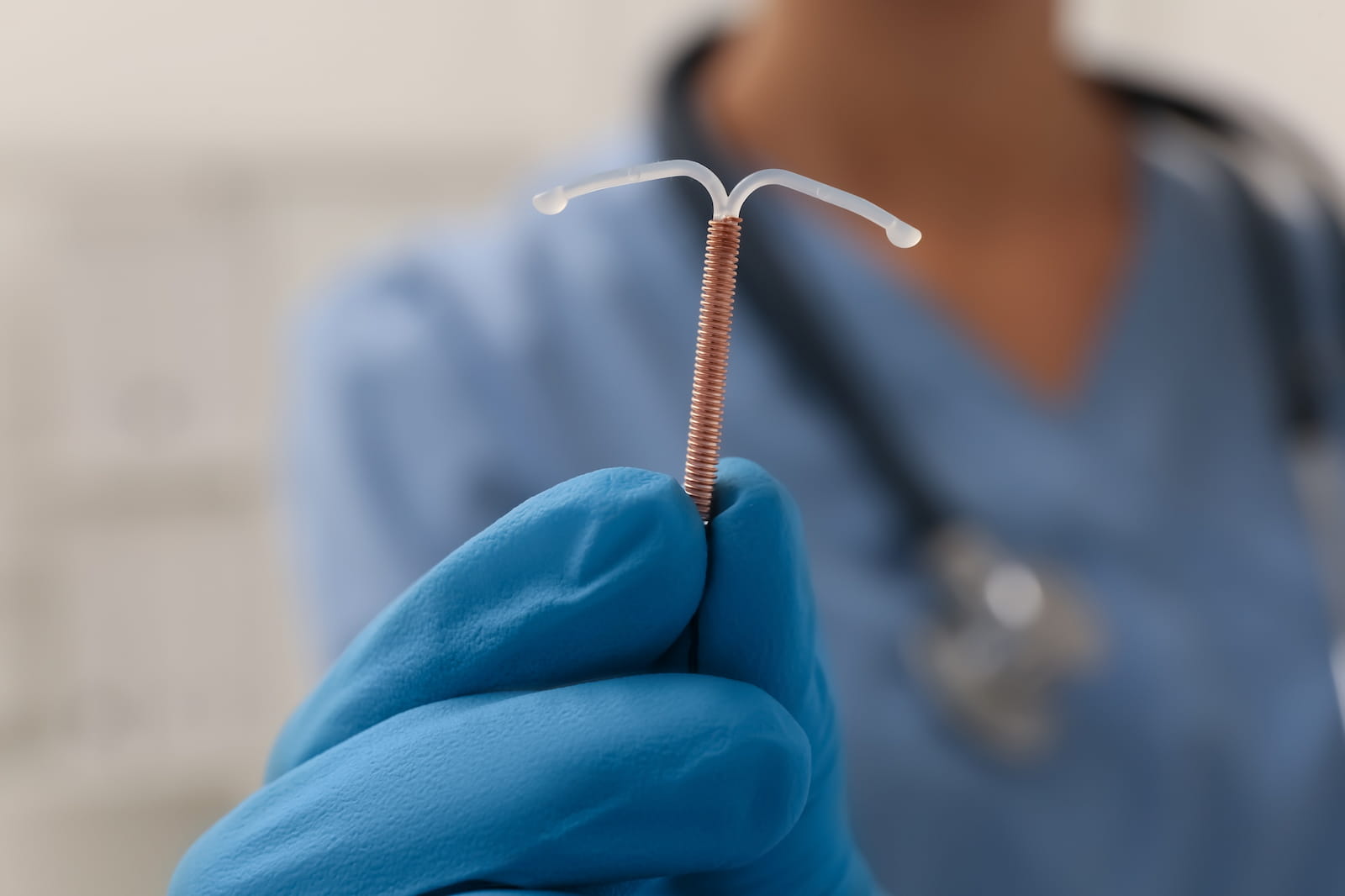
An IUD is a T-shaped device that is inserted into a woman’s uterus, according to Planned Parenthood. It keeps sperm cells from being able to reach a woman’s egg, preventing pregnancy for years.
Study Overview
For the new study, researchers recruited 370 women aged 18 to 31 who’d never given birth, and randomly assigned them to receive via catheter either a local anesthetic or a saline solution.
Average pain scores were about 44 among those treated with anesthetic versus nearly 59 among those in the control group, on a scale of 0 to 100, researchers found.
The proportion of patients who found the pain tolerable reached 98 percent among those who got the anesthetic.
More than half of women in the anesthetic group found the procedure easier than expected, compared with about a third of the control group.
“We can see that the method not only reduces pain, but also means that more people find the procedure acceptable,” said senior researcher Helena Kopp Kallner, a professor of clinical sciences at Karolinska Institute.
Researchers noted that this approach was not compared against other anesthetic options, and so it’s too early to say whether the catheter method is more effective than injections.
“Our study shows that the method works when compared with no active treatment, but it also needs to be compared with other pain relief methods,” Kallner said in a news release.
RELATED: Birth Control 101: A Guide for Black Parents and Their Teens
What Does This Mean for Black Patients?
Black patients should have the opportunity to discuss patient-management options before an IUD is inserted. Concerns about pain, previous experiences with medical procedures, and personal preferences can all be part of the conversation when deciding whether an IUD is right for them.
Research shows that Black women are less likely to use contraceptives and face a higher risk for unplanned pregnancies. Data from the Centers for Disease Control and Prevention (CDC) found that 16.9 percent of Black women had ever used an IUD compared to 21.1 percent of white women. Factors like access to care, contraceptive preferences, patient-provider communication, and other social and health factors may contribute to these racial differences.
The new study explores whether better pain control could make IUD insertion more comfortable, but doesn’t establish whether the anesthetic approach works differently for Black patients.

Could Pain Management Affect Whether Someone Chooses an IUD?
IUDs are long-acting contraceptives that are highly effective. However, the insertion procedure is an important part of a person’s experience. If you’re interested in an IUD, but have concerns about the potential pain, speak with your healthcare provider to see what options may be available for pain management before agreeing to the procedure.
RELATED: Married to Medicine’s Dr. Jackie Walters on What Women Get Wrong About Birth Control
Final Thoughts
The new findings suggest that local anesthesia can significantly reduce pain during IUD insertion. Pain control is a concern many women have when considering this long-term contraceptive. While larger studies are needed to confirm these findings, women can ask their healthcare provider if local anesthesia or other pain management therapies are available to reduce pain during IUD insertion.
More information
Planned Parenthood has more on IUDs.
SOURCE: Karolinska Institute, news release, Sept. 17, 2026