
The Lip Bar is embracing inclusivity in its business model beyond millennial Black women.
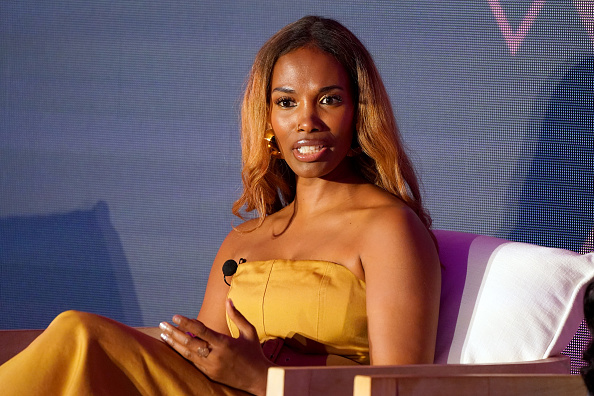
At a panel at ADWEEK House Advertising HQ, leaders discussed how brands can attract customers and build brand loyalty, ADWEEK reported. Among the panelists was Yasmine H. Parrish, vice president of marketing at The Lip Bar.
As AFROTECH™ previously reported, Melissa Butler founded The Lip Bar, which began as a lipstick-focused cosmetics brand. It later expanded into eye products and skin care. According to its website, the brand sells products online, at its flagship store in Detroit and its Atlanta airport location, as well as through retailers such as Target, Walmart, CVS, and Meijer.
Target sells The Lip Bar at more than 1,000 locations. The brand was affected when Target announced in January 2025 that it would scale back its diversity, equity, and inclusion commitments. Butler acknowledged that the decision was disappointing but said her relationship with Target remained unchanged. At the time, sales had declined by 30% to 40%, a drop described as “very painful for a small business.”
Regarding the brand’s retail strategy today, Parrish said it is expanding beyond its core customer base of millennial Black women.
“The Lip Bar, most of our audience has been millennial Black women, but our biggest retail partner is Target. So no offense to anyone that’s from Target, but there is a mismatch in alignment these days because there’s been so many hiccups with Target and the DEI,” she admitted on the panel. “And so we found ourselves in a very precarious position where now it’s like we do need to appeal then to just our base, right?”
She added, “If you’re a millennial Black woman, you know about The Lip Bar. It’s about, does a customer that you’re looking to reach see themself in your brand? And there’s different ways to do that without alienating your core audience. It’s like Black millennial women will always be welcome and celebrated and uplifted at The Lip Bar, but if you’re a white millennial woman, then we have to create pathways for you to see yourself too. So that when you are in Target, you don’t just scroll past our brand and feel like we’re not for you because we do have something for you.”
Parrish acknowledged that the new customer is trying to acquire more wearable items that don’t always need a mirror to apply properly. Additionally, she emphasized the importance of ensuring new customers feel represented when they visit the business’ website.
“I’m currently living through this fine line and like dancing this dance to make sure that we’re still celebrating our core, but also making sure that people who are new to the brand see themselves and feel welcomed,” she explained.
Butler followed up with a post she shared on Threads on Wednesday, Oct. 28, to address her company’s stance. She emphasized the brand’s unwavering commitment, which “isn’t changing,” to Black women, Historically Black Colleges and Universities, and Black-owned businesses, including a $40,000 donation to the latter. She also questioned whether Black-owned should also mean Black-only.
“It is not Anti- Black to sell products to non Black people. Black consumers spend their money across the aisle every day, but Black Brands are expected to only sell to Black people? Why do our brands have a ceiling?”
In a follow-up post, Butler stated:
“I built this brick by brick. Literally. This isn’t an algorithm it’s a real business and I won’t let you tear it down because my head of marketing didn’t use perfect words (no they werent perfect. that’s another convo). But TLB has only shown up for our community consistently. We have receipts. if you choose to not shop, that’s fine. But at least go to another Black owned business bc half the ones yall are naming aren’t even Black owned.”