
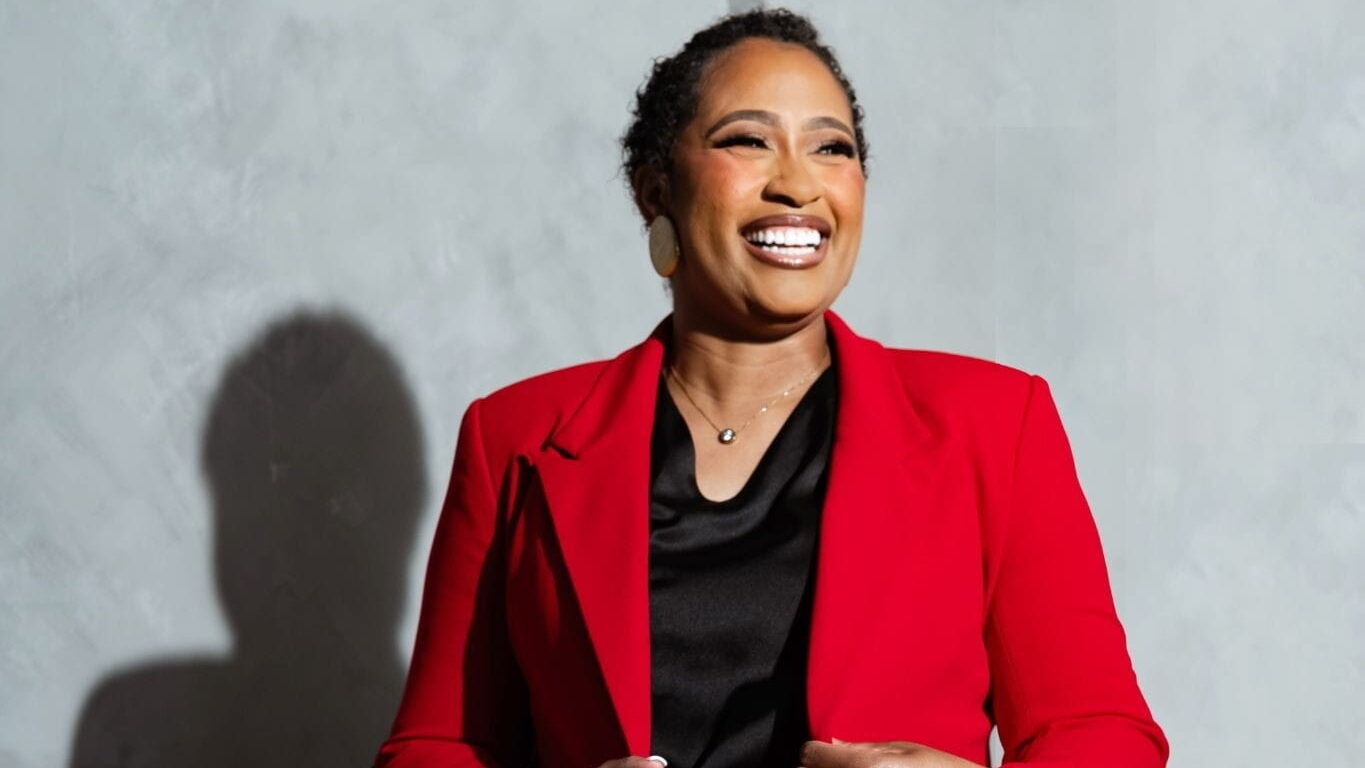
“We have to be more open about sharing our experiences and how to navigate systems that weren’t built with us in mind…”
-Dr. Devean Owens
Did you know Black women are twice as likely to be diagnosed with triple-negative breast cancer (TNBC) and face up to a 40 percent higher mortality rate than their white counterparts?
Its namesake is derived from the aggressive subgroup’s lack of estrogen, progesterone, and HER2 receptors; TNBC presents profound challenges for Black women, such as:
- Aggressive Tumor Biology: While TNBC is characterized by its rapid growth and tendency to metastasize, research shows tumors in (younger) Black women can present with higher proliferation rates, unique molecular or DNA methylation signatures, and specific drivers (such as TRIM37 protein overexpression).
- Systemic Healthcare Barriers: Lack of insurance, inadequate healthcare facilities, or transportation issues can delay diagnosis and treatment, leading to poorer health outcomes.
- Socioeconomic Inequities: Economic disparities contribute to a lack of resources for prevention, education, and treatment.
Against unique, daunting odds, beating TNBC can feel like a contrasting mix of pride and despair.
Which raises the important question: what does the spectrum of survivorship look like?
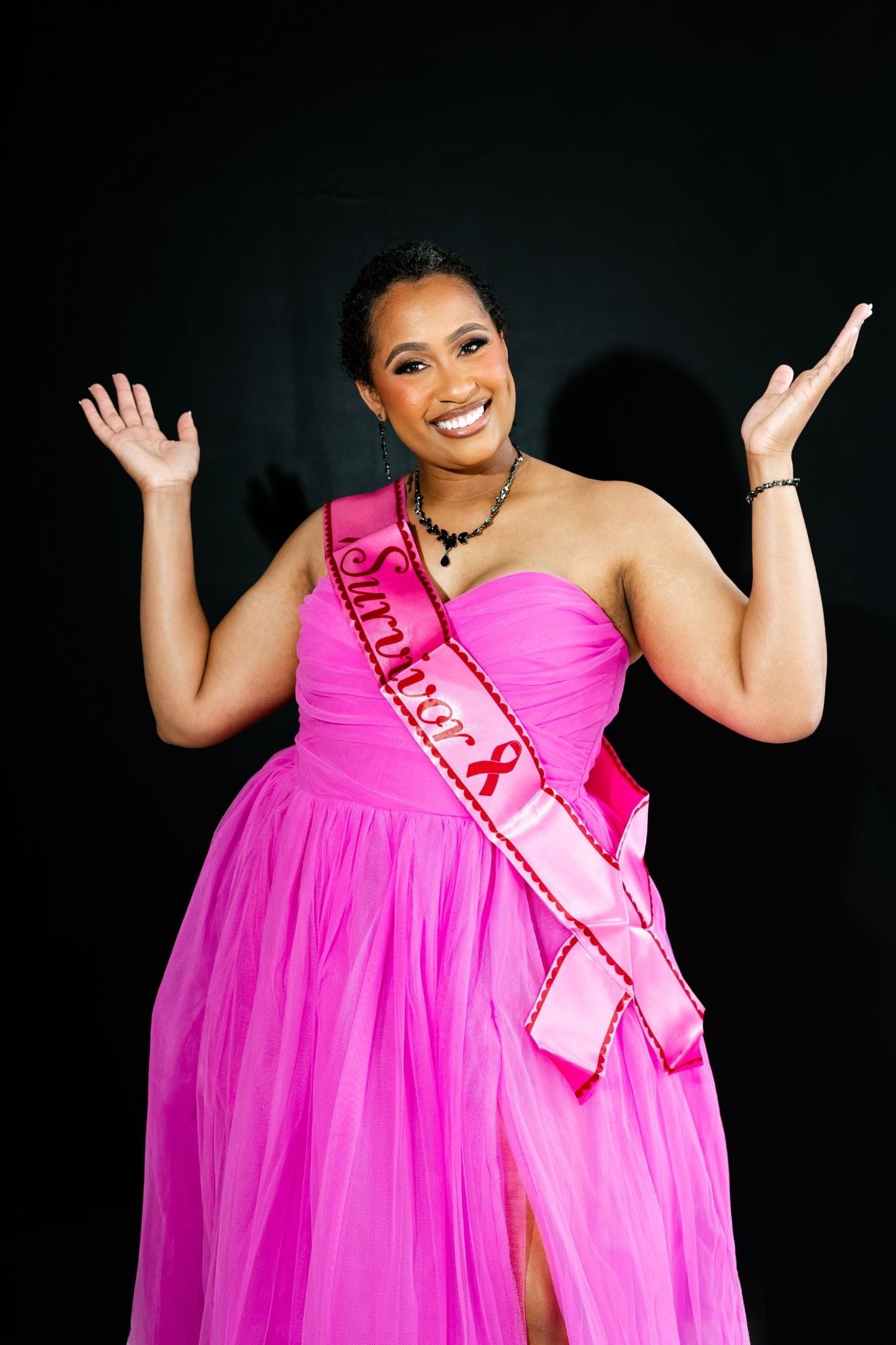
Dr. Devean Owens, a TNBC survivor and passionate breast cancer advocate, shares her inspiring journey through diagnosis, remission, and the new quest to rediscover her sparkle!
Q: What emotions and thoughts went through your mind after being diagnosed with TNBC?
A: The anxiety and fear consumed me even before the official diagnosis. Being referred for a mammogram as a Black woman at 33 was alarming. I also think that deep down I knew what the results were even before the scans came back. When I received the call confirming my gut feeling, I was consumed with grief. I felt like my life was broken, like I was broken. At the time, I didn’t know the extent of my diagnosis (staging/prognosis), so I had no idea how I was going to get through it. I was extremely worried about the impact on my children and my family. What I did know immediately is that I needed my mom. So two days after that phone call, I packed up my kids and drove home to be with my family. As I sat at the feet of my grandmother, aunts, mom, and cousin, I was filled with the fuel needed to start my treatment journey, which began with an initial appointment with my breast surgeon just a couple of days later.
RELATED: Life After TNBC Surgery: Getting Comfortable in Your Body Again
Q: What were some of the biggest challenges you faced during treatment?
A: During my first phase of chemo, I had not one, not two, but three allergic reactions. The second reaction was the worst. I went in for my third infusion feeling relatively ready. I was given the usual premedications, but once the Taxol drip started, I instantly felt off. I realized I was having a hard time breathing. I told my dad, and he called my nurse over. Soon, I was surrounded by nurses with an oxygen mask over my face as I drifted in and out of consciousness. I was in anaphylaxis with extremely low blood pressure and tachycardia. They did their best to reverse it by immediately stopping the drip and pushing more Benadryl. My incredible oncologist was right by my side, holding my hand and encouraging me (and my parents) through it. I was soon whisked away on a stretcher to the emergency room, where I was given epinephrine. I rested and went home later that day.
Beyond treatment side effects and attempting to still work full time, the mental and emotional toll was enormous. I had to grapple with my own mortality and the massive shift in my physical appearance and abilities while continuing to fight despite not knowing what was waiting for me around the corner. I learned to sit in the duality of my feelings, allowing myself the space and grace I needed to get through the next moment.
Q: How did your support system play a role in your journey through TNBC?
A: My support system was incredible! My parents drove from Arkansas to Texas pretty much weekly to go to infusions with me and help take care of the kids. So many people gave donations and gift cards, which I spent on treatment/recovery items and food. Several people sent or brought meals for me and my family. Some of my closest friends showed up to sit with me during chemo, clean my house, and take care of my kids. I received prayers sent via text and voice notes that I would listen to or reread over and over again throughout treatment. Several people sent flowers and care packages, which were always a welcome surprise, especially on hard days. My community saved me by reminding me of who I am at my core and bringing me back to myself. They grounded me in some of my hardest, darkest moments. When I didn’t have the strength, the words, or the mental and physical capacity, they carried me through.
Q: Many describe the journey of surviving cancer as transformative. How did your experience with TNBC change your perspective on life and resilience?
A: Some say you don’t know how strong you are until you experience a challenging season. I generally believed I was resilient, but more so in the sense of, “I can figure out how to get through anything.” But when faced with a breast cancer diagnosis, it requires a different type of fortitude because there isn’t any “figuring it out.” As someone who thrives on spreadsheets, sticky notes, and a detailed plan, I had to learn how to move into the unknown, which was terrifying. How was I supposed to take the next step when I didn’t know what the next step was, when I should take it, and what I’d need when I got there? I cultivated resilient faith during that season. The resilience required to survive TNBC forced me to surrender my own plans for how I thought things should go and trust that it would all work out the way it was supposed to.
This realization doesn’t mean I don’t still fall into the habit of wanting a plan and having things all figured out, but now I can recognize when my reactions to challenges or setbacks skew too far into a need for control.
RELATED: Beyond Fear: How I Became a Detective for My Own Breast Cancer Treatment
Q: What motivated you to become an advocate for breast cancer awareness?
A: I’ve always been an advocate for Black people, but especially Black women and girls. I still laugh at the fact that I was labeled “radical” in college because I stood up for marginalized students on campus. Becoming a patient advocate and sharing my story felt like a natural role for me to continue the work I’ve always done just in a more specific area. Given my family history and experience with breast cancer, as well as the lack of awareness and education amongst young Black women, I share my story with the hope that it helps other Black women speak up in their doctor’s offices and listen to their intuition.
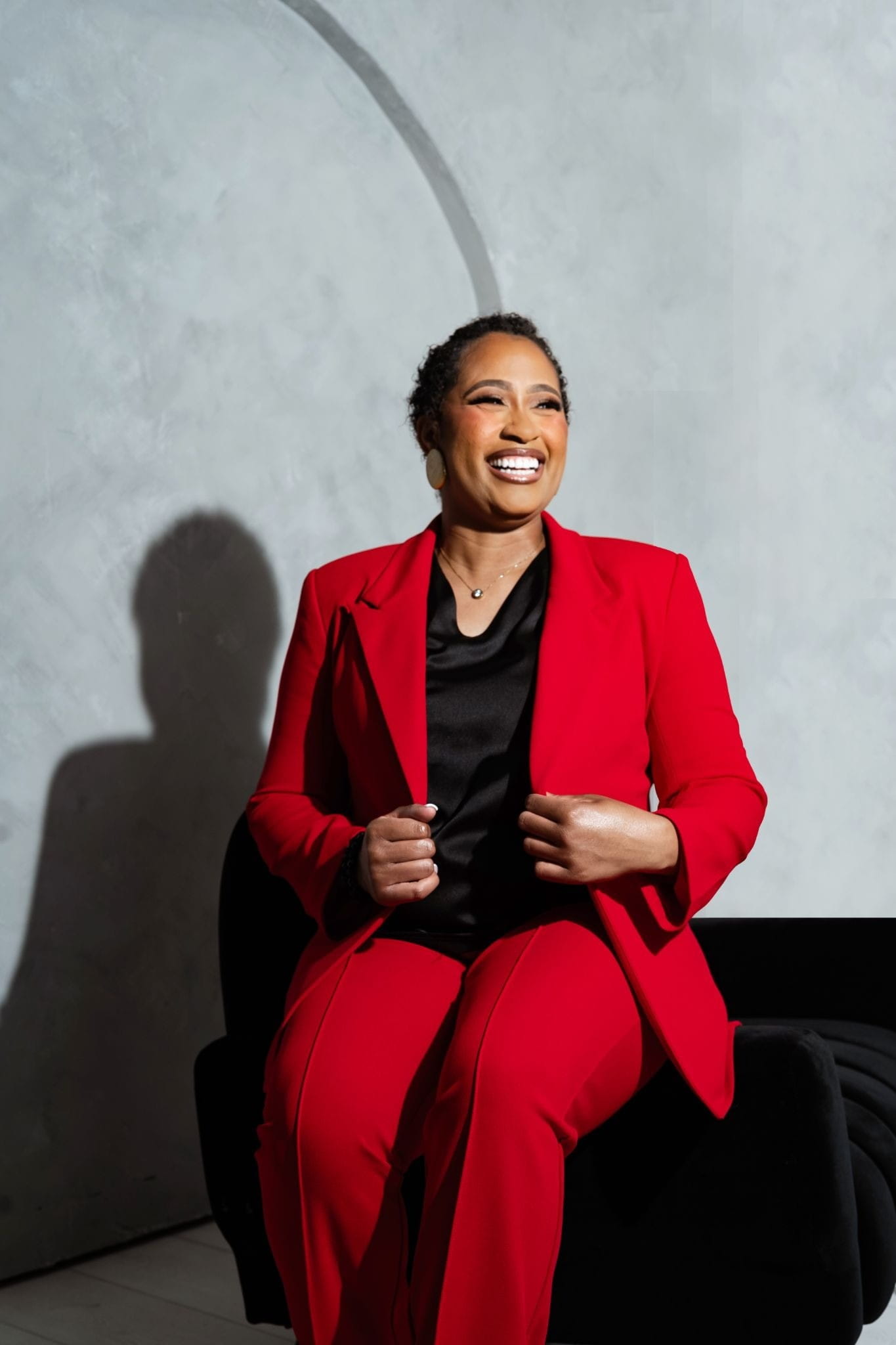
“Survivorship is its own rollercoaster… The intensity is partly because treatment requires so much that we really don’t get the time we need to process the gravity of what has happened…”
-Dr. Devean Owens
Q: In your opinion, what are the key barriers that Black women face in accessing quality care for TNBC, and how can we address these issues?
A: Black women are being diagnosed with breast cancer at earlier ages and later stages than white women. Due to the racial inequities in the healthcare system, many Black women’s concerns are dismissed and invalidated. One month before I found my lump, I asked my primary care physician if I should start getting mammograms given my family history. She told me no, that I didn’t have anything to worry about. Fast forward three months, I went in to have her check the lump in my left breast, and she initially told me she didn’t feel anything. I sat up, took her hand, and placed it over the lump. She immediately said, “I’m going to order you a mammogram.” It terrifies me to wonder what would’ve happened had I believed her despite what I knew I felt in my body.
The system is broken in so many ways, from health insurance to providers to access; those extensive inequities must be addressed first and foremost. And secondarily, our community has to continue to have open, honest conversations about our bodies and our experiences. You don’t know what you don’t know. We have to be more open about sharing our experiences and how to navigate systems that weren’t built with us in mind to hopefully help the next generation avoid some of the struggles we’ve encountered.
Q: After going through such a challenging experience, how are you finding your “sparkle” again?
A: During treatment, I spent time reconnecting with little Devean and remembering what brought her joy. These days I’m reading more, puzzling, and spending intentional time with myself and God. This time ensures that I am deeply in tune with myself, my desires, and the purpose of my life. I’m intentional about where I spend my energy, and I’m going after the things I want even when it feels impossible or hard to accomplish. It’s the small daily moments of choosing myself that are helping me rebuild my life piece by piece.
Q: What message do you have for other TNBC survivors who may be struggling to find their way post-treatment?
A: Survivorship is its own rollercoaster. You may be caught off guard by the intensity of the emotions you feel in those early days and months. The intensity is partly because treatment requires so much that we really don’t get the time we need to process the gravity of what has happened to us and the cascading impact on our lives. Give yourself grace. You are actively putting the pieces of your life back together. You may decide some pieces don’t fit anymore, or you may pick up pieces that you thought you’d discarded long before breast cancer. Take all the time you need to figure out how your pieces fit together. Don’t be discouraged when emotions seem to hit you out of nowhere. Survivorship is a lifelong journey.
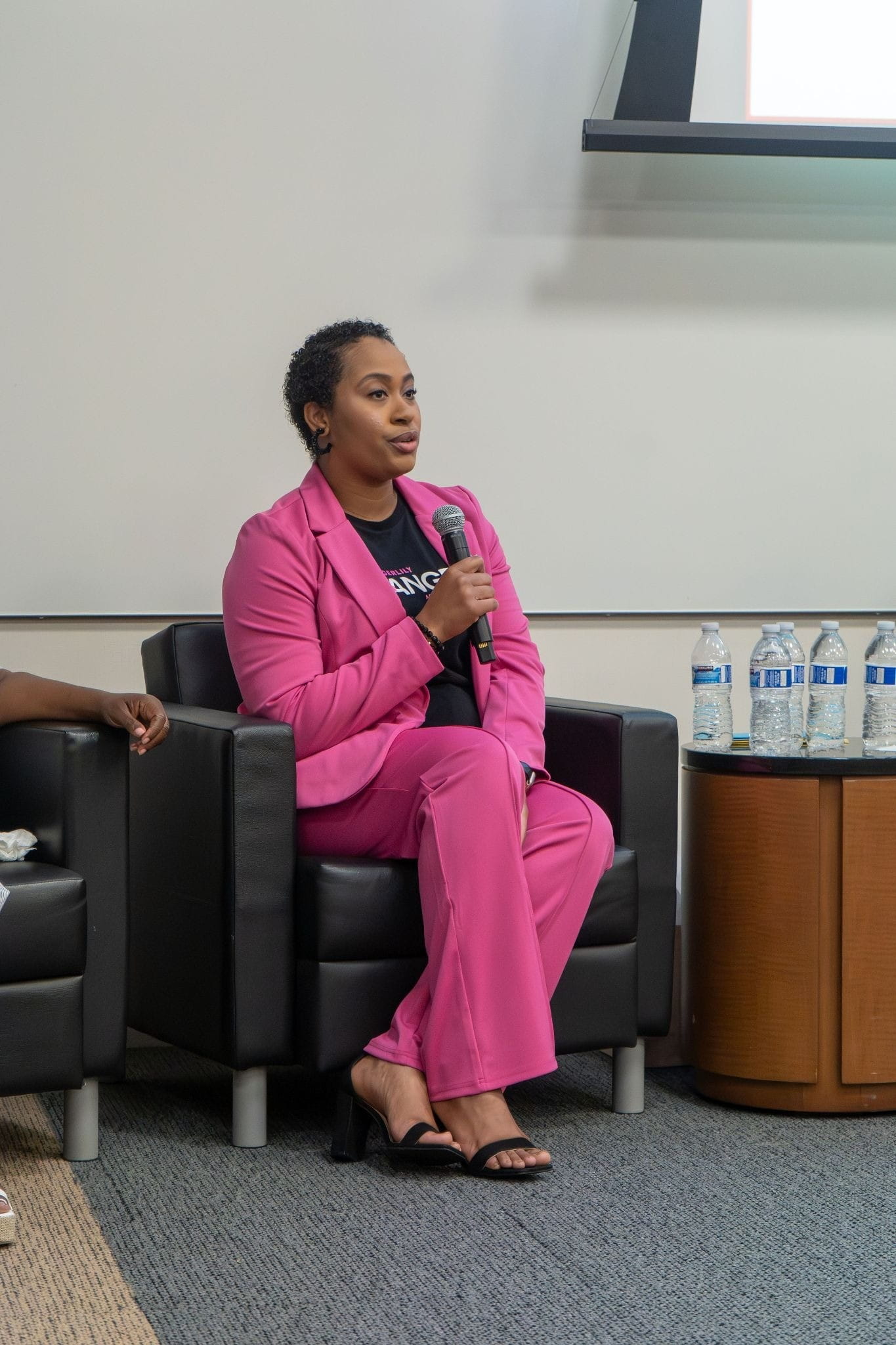
Q: As an advocate, what are your hopes for the future regarding research, awareness, and support for those affected by TNBC?
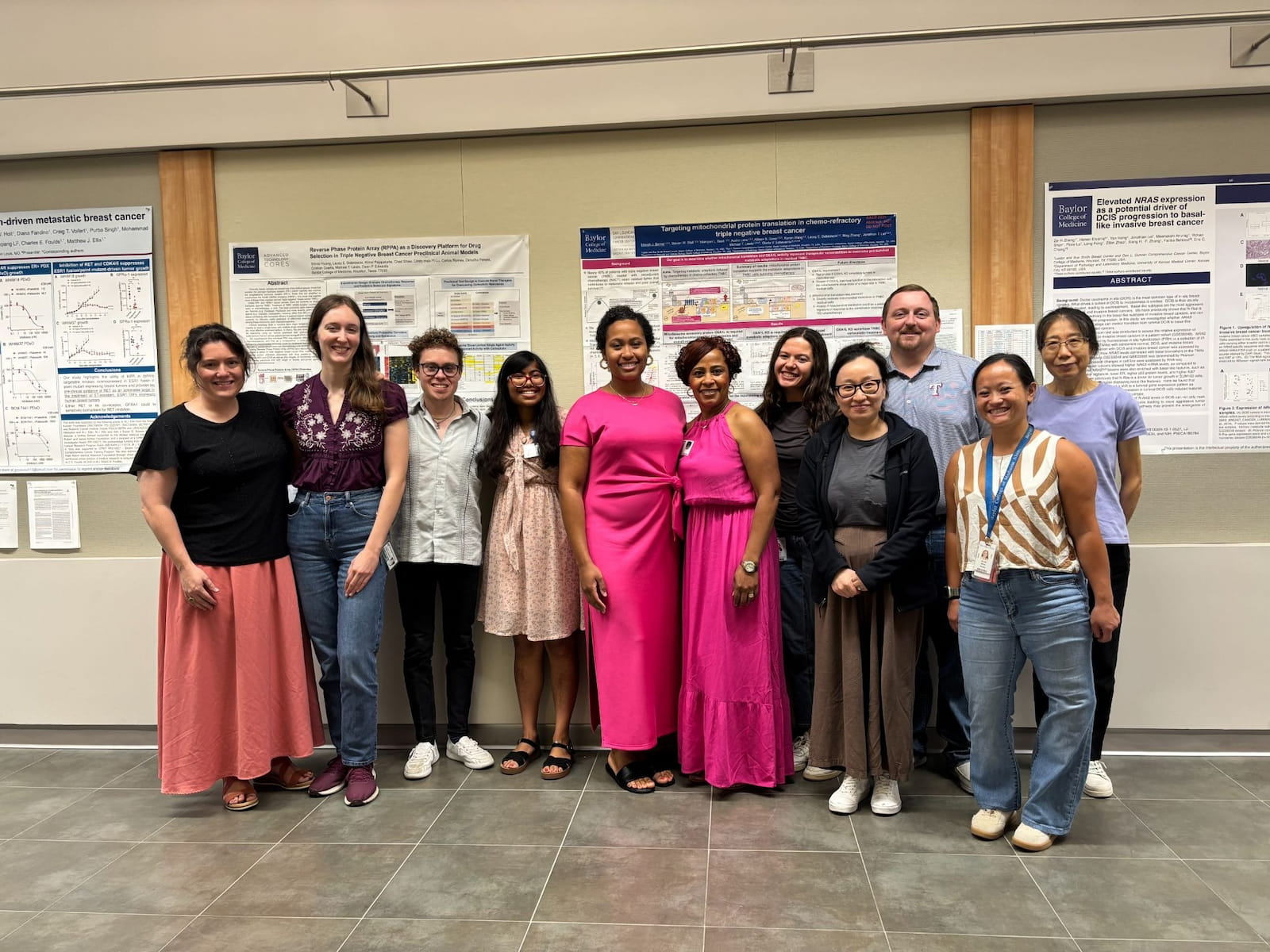
A: I’m truly inspired by the research that is being done on TNBC, especially the work of Dr. Gloria Echeverria’s lab, for which I’m a patient advocate. I hope that Black women, who are disproportionately impacted by TNBC, receive the screening and services they need sooner. I hope that the guidelines change around when women should start receiving mammograms. I hope that we move toward truly educating women and girls about their bodies. I hope treatment evolves to prevent and eradicate breast cancer. I hope the systems women and girls navigate on a daily basis will place their needs at the center.
“It’s the small daily moments of choosing myself that are helping me rebuild my life piece by piece.”
-Dr. Devean Owens
Q: What advice would you give to newly diagnosed patients facing the uncertainties of TNBC?
A: You can do this. I know it feels impossible. I know you want to curl up in a ball and let someone wake you when it’s over. You can have your moment(s), but you can’t get stuck there. Your mind plays the biggest role in how you navigate this season of your life. Spend time strengthening your mind by engaging with content, books, and people that encourage and uplift you. Speak positively to and over yourself. Lean into affirmations, meditation, music, and/or movement when you need it. But most of all, take things one moment at a time.
“I’m truly inspired by the research that is being done on TNBC, especially the work of Dr. Gloria Echeverria’s lab, for which I’m a patient advocate.”
-Dr. Devean Owens
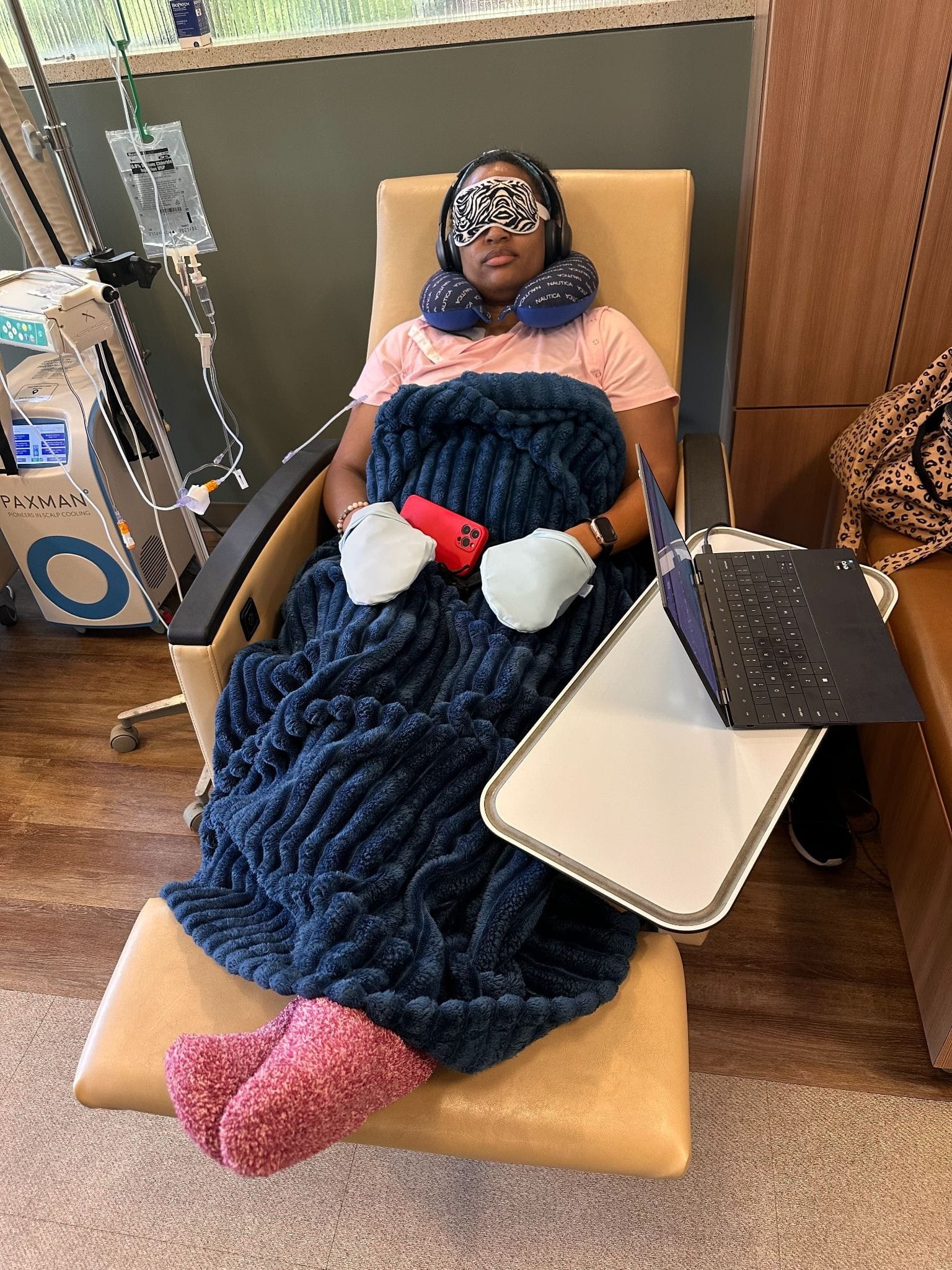
On the journey of overcoming Triple Negative Breast Cancer (TNBC), stories of survival like Dr. Devean’s illuminate the path to hope and restoration. And emerging research from Dr. Gloria Echeverria’s TNBC lab in Houston stands at the forefront of this movement, fostering a community dedicated to changing the narrative around TNBC through the collaborative efforts of survivors and researchers.
3 Ways Dr. Gloria Echeverria’s Lab is Revolutionizing TNBC Treatment
1. Mitochondrial Targeting Therapies
- Her lab focuses on therapies that specifically target mitochondrial functions in TNBC cells, aiming to disrupt their energy metabolism and induce cell death.
2. Patient-Derived Models
- Utilizing human patient-derived xenografts (PDX) allows for more accurate modeling of TNBC, leading to better understanding of tumor behavior and treatment responses.
3. Translational Research
- The lab emphasizes translating laboratory findings into clinical trials, ensuring that new therapies are rapidly tested and made available for patient benefit.
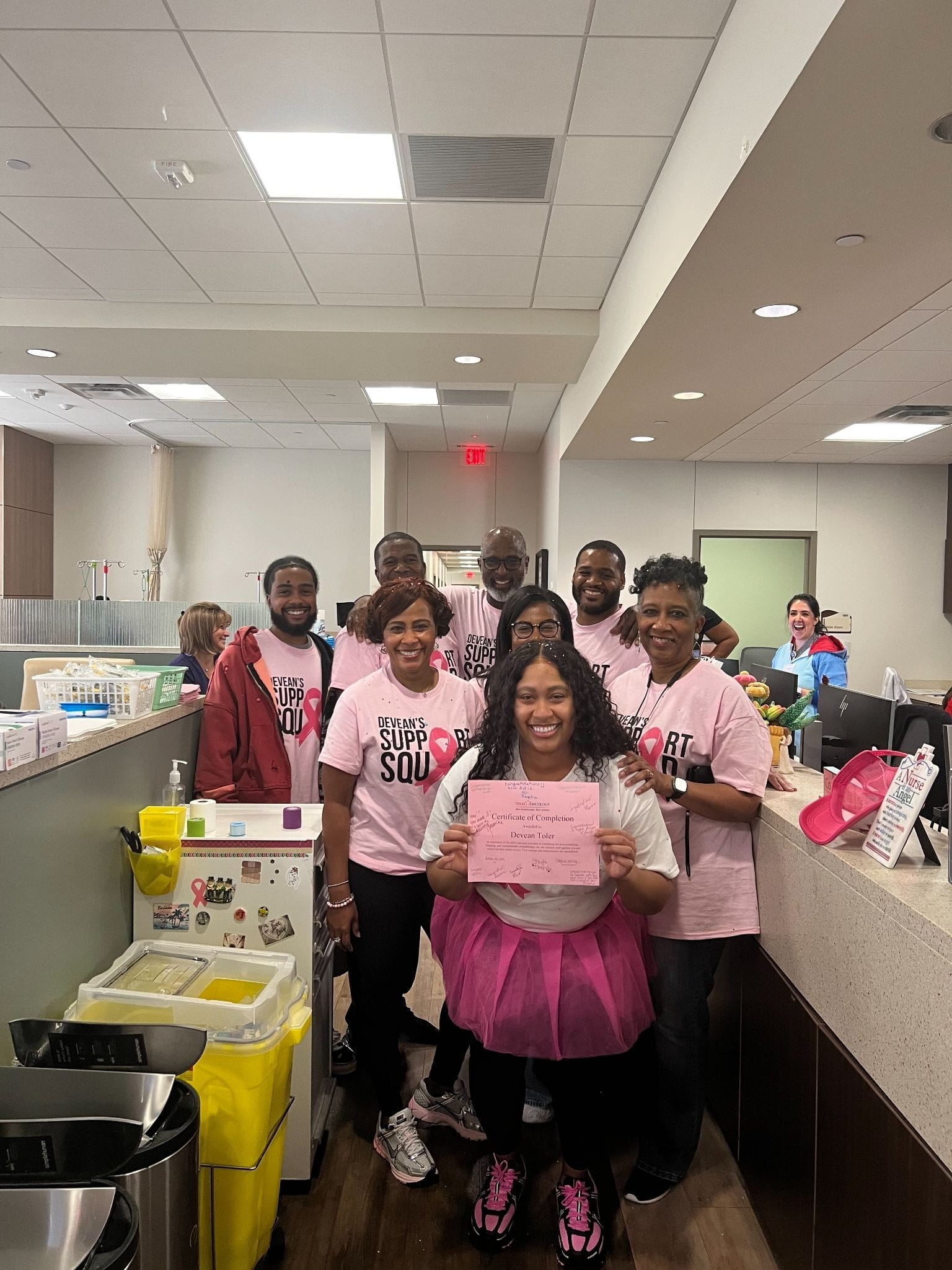
“You can do this. I know it feels impossible. I know you want to curl up in a ball and let someone wake you when it’s over. You can have your moment(s), but you can’t get stuck there.”
-Dr. Devean Owens