

Could the additives that keep packaged food fresh also be raising your blood pressure?
It’s a fair question to ask the next time you unwrap a deli sandwich or open a bag of shredded cheese. In May 2026, French researchers published a large study in the European Heart Journal, one of the world’s leading peer-reviewed heart health journals. It followed 112,395 adults for a median of 7.9 years. Every six months, participants logged everything they ate and drank over three days, and researchers matched those records to brand-level ingredient data, down to the specific preservatives in each product.
The people who ate the most non-antioxidant preservatives had a 29 percent higher risk of developing hypertension and a 16 percent higher risk of cardiovascular disease, including heart attack, stroke, and angina, compared to those who ate the least. Those who ate the most antioxidant preservatives had a 22 percent higher risk of hypertension. And preservatives were nearly unavoidable: 99.5 percent of participants ate at least one within their first two years in the study.
For Black Americans, who face some of the highest rates of high blood pressure in the world, that lead speaks volumes. Fortunately, ingredient labels give you most of what you need to act on it.
What Preservatives Do
Preservatives are additives that help packaged food stay safe, look appealing, and last longer on the shelf. They’re one reason a loaf of sandwich bread can sit on your counter for a week without turning green. They fall into two main groups, and the study tracked each one separately.
Non-antioxidant preservatives stop microbes like mold and bacteria from growing. They show up in shelf-stable baked goods, cured meats, dried fruit, wine, and cheese.
Antioxidant preservatives slow oxidation, the chemical reaction that turns a sliced apple brown or makes cooking oil smell off. They keep color bright and fats from going rancid, so you’ll find them in deli meats, packaged produce, canned goods, sauces, and drinks.
One detail surprised even the researchers. Ascorbic acid, the additive form of vitamin C, was linked to both hypertension and cardiovascular disease, even though vitamin C from fruits and vegetables has generally tracked with lower heart risk in earlier studies. This reminds us that the same compound can behave differently when it arrives in an orange versus an industrially processed food.
RELATED: 5 Things to Know About Blood Pressure Before It’s a Problem
Six Preservatives Worth Knowing
Of the 17 preservatives eaten by at least 10 percent of participants, eight were linked to a higher risk of hypertension, according to a summary from the European Society of Cardiology, the professional organization of heart specialists that publishes the journal. Here are six of the most common on American grocery shelves, and where they tend to turn up.
1. Potassium sorbate
This non-antioxidant preservative keeps mold away. You’ll find it in shredded and sliced cheese, packaged bread and tortillas, baked goods, syrups, dried fruit, flavored drinks, and many salad dressings.
2. Potassium metabisulfite
Part of the sulfite family, this one guards against microbes and browning. It’s common in wine, dried fruit, bottled lemon and lime juice, pickled foods, and some frozen potato products.
3. Sodium nitrite
The additive that gives cured meats their pink color and longer shelf life. Look for it in bacon, hot dogs, ham, salami, sausages, and most packaged deli meats. It’s been under scrutiny for years, and this study adds blood pressure to the list of concerns.
4. Sodium erythorbate
Sodium nitrite’s frequent sidekick. Processors add it to speed up curing and lock in color, so it often appears on the same hot dog, ham, or lunch meat label.
5. Ascorbic acid
The additive form of vitamin C prevents browning and preserves freshness. It shows up in juice drinks, canned and frozen fruit, cured meats, packaged bread, and some cereals. This was the one preservative also linked to cardiovascular disease.
6. Citric acid
This is one of the most widely used additives in the food supply. It adds tartness and slows spoilage in sodas, canned tomatoes and beans, jarred sauces, candy, frozen meals, and flavored snacks.
The other two flagged additives, sodium ascorbate and rosemary extract, are worth adding to your mental list. Sodium ascorbate is another form of vitamin C that often pairs with nitrites in cured meats, and rosemary extract appears in packaged meats, snack foods, and oils.
RELATED: 10 Places Where Sodium Is Hiding
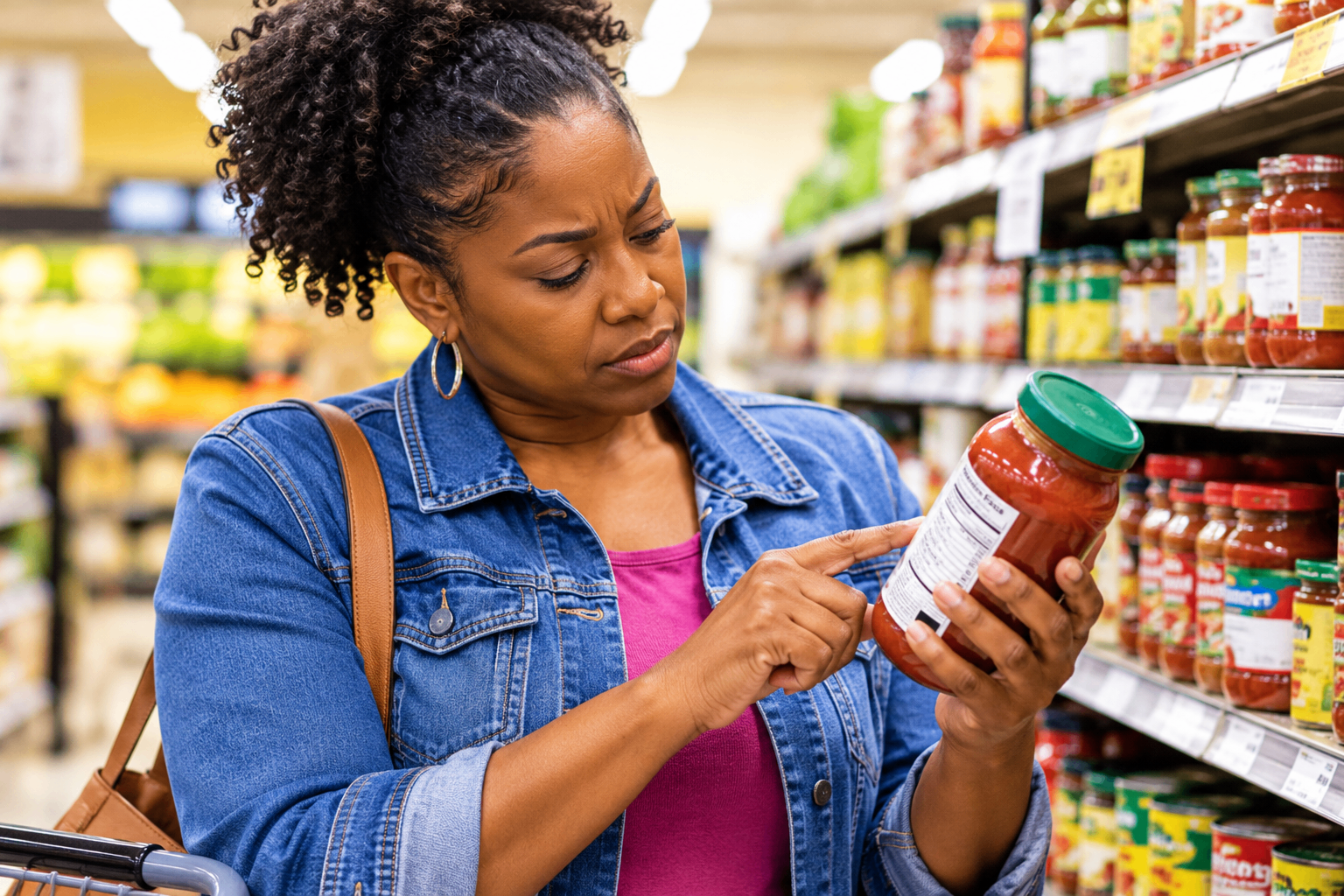
Read the Fine Print
In the U.S., you won’t see the E-numbers used in the study, a code system Europe uses to label food additives. Labels list additives by name, so you’re looking for the words themselves: potassium sorbate, potassium metabisulfite, sodium nitrite, sodium erythorbate, ascorbic acid, citric acid, sodium ascorbate, and rosemary extract. Sulfites may also appear simply as “contains sulfites,” especially on wine.
A few habits make scanning faster. Ingredients are listed from most to least by weight, so a preservative near the end is present in small amounts, though small amounts add up across a full day of packaged meals. A long ingredient list with words you’d never cook with is a quick signal that a food is heavily processed. And watch for “uncured” or “no nitrates or nitrites added” on meats. Many of those products use celery powder, a natural source of nitrates that converts to nitrite during curing, so the end result can be similar.
You don’t have to clear your pantry overnight. Start with the foods you eat most often and look for one trade at a time:
- Deli meat: Roast a chicken breast or turkey tenderloin on Sunday and slice it for the week’s sandwiches.
- Bacon, hot dogs, and sausage: Save them for occasional meals, and lean on eggs, beans, or fresh ground turkey seasoned at home.
- Shredded cheese: Buy a block and grate it yourself. It often comes with a shorter ingredient list.
- Packaged bread: Compare labels across brands, buy fresh bakery bread when you can, and freeze half the loaf so it lasts.
- Juice drinks and soda: Reach for water with fresh lemon, lime, or cucumber, or unsweetened tea.
- Canned vegetables and sauces: Plain frozen vegetables usually contain one ingredient. When you do buy cans or jars, choose the one with the shortest list.
- Dried fruit: Look for “unsulfured” on the bag, or grab fresh fruit in season.
These swaps line up with the DASH eating plan, short for Dietary Approaches to Stop Hypertension. Developed through research funded by the National Institutes of Health, it emphasizes vegetables, fruits, whole grains, beans, and lean proteins while limiting sodium and sugary drinks. More whole foods and fewer packaged and processed meals mean less sodium, too, so each change carries huge benefits for your blood pressure.
Small Reads, Real Returns
The best way to know whether any change is helping is to know your numbers. Check your blood pressure at least once a year, and more often if hypertension runs in your family. Many pharmacies have free machines, and a validated home cuff lets you track readings over time. Bring that log to your doctor, especially if you’re already on blood pressure medication. Food changes can work alongside treatment, and your care team can help you adjust safely.
This research gives you a short list of names, a habit of flipping the box over, and a few trades that fit real budgets and busy weeks. Grating your own cheese this week counts. Roasting one chicken for sandwiches counts. Every small change counts toward improving your health and longevity.