
Economic ‘Mass Blackout’ planned to protest Trump administration
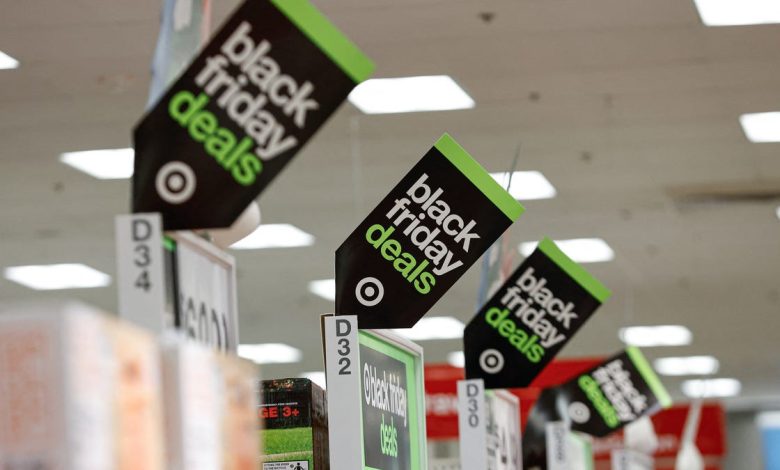
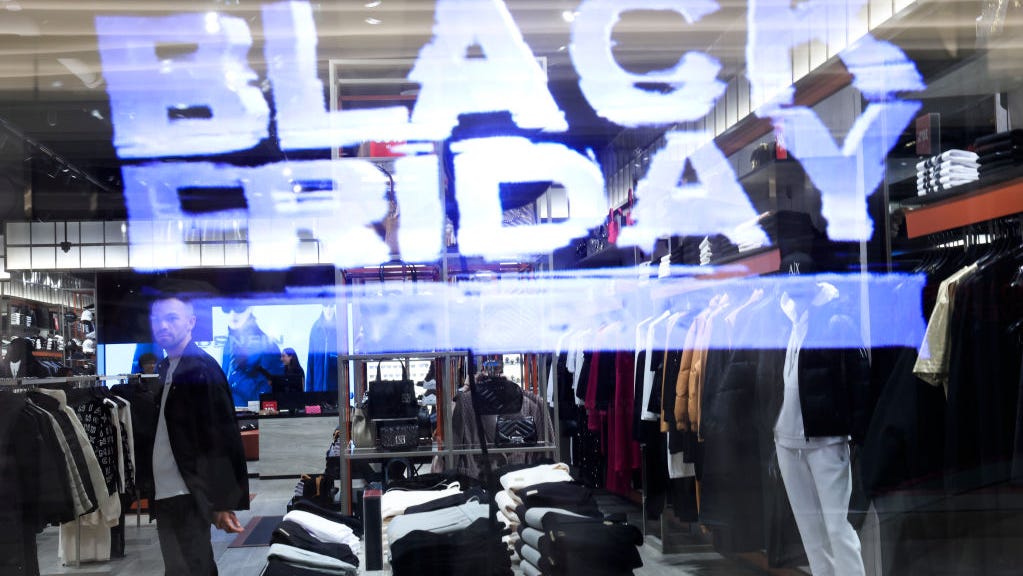
An economic “Mass Blackout” is planned on Black Friday and Cyber Monday to protest the Trump administration.
A coalition of grassroots organizations is calling for a nationwide economic shutdown during the busy holiday shopping season, including Black Friday and Cyber Monday, to protest the Trump administration and economic inequality.
The groups — Blackout the System, The People’s Sick Day, American Opposition, the Money Out of Politics Movement, and The Progressive Network — urged Americans to stop all spending and refuse to go to work during the “Mass Blackout,” which runs from Nov. 25 to Dec. 2.
Avoid travel and restaurants and cancel streaming and digital subscriptions, organizers said. “If you must spend: support small, local businesses only. Pay in cash.” Small Business Saturday on Nov. 30 is exempted from the blackout.
The groups in the coalition had all independently called for shopping boycotts but decided to join forces.
“We are living under a political system captured by special interests, where billionaires and corporations write the rules,” Isaiah Rucker Jr., founder of Blackout the System, said in a statement. “Congress serves donors, not the American people, and democratic norms are being dismantled in front of our eyes, with corporate backing. This campaign is about showing them where the power truly lies, with the people.”
Carlos Álvarez-Aranyos, founder of American Opposition, told USA TODAY the coalition is “developing the American muscle for boycotts and blackouts as a way to leverage economic power” with the ultimate goal of leading a general strike.
“We don’t see this fight as left versus right. We see it more as top versus bottom,” Álvarez-Aranyos, who helped organize the “No Kings” protests and the Tesla boycott, said in an interview. “This is about Black Friday because, honestly, what we are seeing across the board is just unsustainable. We are being taken advantage of. Prices are up. Inflation is through the roof.”

Consumer Boycotts target DEI retreats—are they working? What we know.
Consumer boycotts are targeting companies like Amazon and Target, who’ve rolled back DEI initiatives, but are they working? Here’s what we know.
Boycotts target the holiday shopping season
Several national boycotts targeting the holiday shopping season are in the works.
The People’s Union USA, a grassroots movement that says it advocates for “economic resistance, corporate accountability and real justice for the working class,” is holding its Black Friday and Cyber Monday blackout from Nov. 28 to Dec. 5.
The “full week of economic resistance” calls for shoppers to avoid major retailers and corporations and support local or independent businesses instead. On Instagram, the People’s Union USA founder John Schwarz urged followers to “remind them that we are the economy.”
Grassroots organizations, including Black Voters Matter, Indivisible, and Until Freedom, are asking shoppers to boycott major retailers, including Amazon, Target, and Home Depot, that they say caved to President Donald Trump and reneged on pledges to support diversity, equity, and inclusion programs.
Rather than patronizing retailers that have stood by Trump, the “We Ain’t Buying It” nationwide economic pressure campaign wants shoppers to support retailers that have stood up to Trump, as well as Black, minority, and immigrant-owned businesses and small and local shops.
Do shopping boycotts work?
Big box retailers have increasingly been drawn into the nation’s culture wars as shoppers of all political persuasions wield their wallets to make their beliefs known at the cash register and on social media.
A pressure campaign accusing Cracker Barrel of bowing to “wokeness” and distancing itself from its country roots and conservative values forced the company to scrap plans to spruce up its vintage logo of an overalls-clad old timer leaning against a barrel. Walmart, Ford, Harley-Davidson, and Tractor Supply also rolled back their DEI efforts amid consumer pressure.
Target has received grief from both ends of the political spectrum. In 2024, the Minneapolis-based retail giant scaled back its Pride collection and did not carry it in all stores. This year, a national boycott over the company’s DEI retreat dented sales.
A new study of the Tesla boycott suggests that billionaire and former Trump DOGE chief Elon Musk’s “polarizing and partisan” political activities alienated the electric car maker’s customer base and cost over 1 million in U.S. car sales from October 2022 to April 2025.
But do blackouts work?
Boycotts that ask shoppers not to patronize a business during blackout periods sometimes don’t pack the same economic punch as a sustained boycott, Brayden King, a professor of management and organizations at Northwestern University’s Kellogg School of Management, previously told USA TODAY.
Shoppers will buy before or after the blackout, he said. It can also be difficult during longer boycotts “to convince enough consumers to make those purchasing changes to make a dent at all in the bottom line,” King said.