Bridging the Gap: Why Banning PBM Pharmacy Ownership Hurts Georgia’s Black Communities
Most Author: Rodney Morris

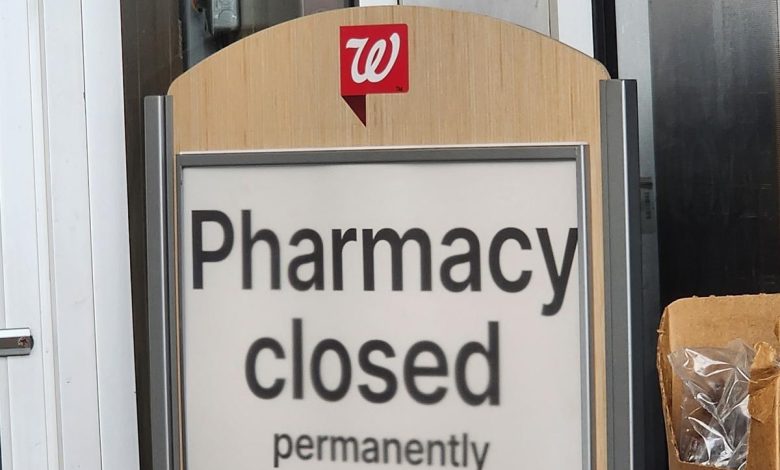
As a state legislator from Atlanta’s historic West End, where the soul of Black Atlanta beats strongest, I’ve spent my career fighting for the kind of equity that turns promises into prescriptions. Last month, I visited Ms. Evelyn Hammond, a 72-year-old widow in my district who’s battled diabetes for decades. She told me how the closure of the corner Rite Aid last year forced her to trek two miles on foot—bus fare too steep on her fixed income—to pick up her insulin. “I missed doses before I figured out the rideshare apps,” she said, her voice cracking. “Ain’t nobody got time for that when life’s already a marathon.” Ms. Hammond’s story isn’t unique; it’s the harsh reality in too many African American neighborhoods across Georgia, where pharmacy access is slipping away like sand through fingers. As we grapple with “pharmacy deserts,” we can’t afford knee-jerk policies that widen the chasm. That’s why I’m urging my colleagues to reject outright bans on pharmacy benefit managers (PBMs) owning pharmacies—measures like the one Arkansas just passed. Such prohibitions aren’t just anti-business; they’re anti-American, stifling the free enterprise that has lifted generations in communities of color. Instead, let’s regulate smartly to ensure access, affordability, and innovation serve everyone.
Georgia’s Black communities are on the front lines of this crisis. Data paints a stark picture: A University of Southern California study found that one in three neighborhoods in America’s largest cities are pharmacy deserts—areas where residents live more than a mile from a pharmacy—affecting nearly 15 million people nationwide, with 8.3 million being Black or Latino. In our state, chains like Walgreens and Rite Aid have shuttered dozens of stores since 2022, hitting urban and rural Black zip codes hardest. From 2010 to 2024, nearly one in three retail pharmacies closed nationally, with independent ones—often the lifelines in underserved areas—twice as likely to shutter as chains. In predominantly Black neighborhoods, closure rates soared to 37.5 percent, compared to 27.7 percent in white ones. These aren’t abstract stats; they’re barriers to life-saving meds, vaccinations, and even basic health counseling. As the coalition Save My Pharmacy warns, closures are “triggering a rising crisis in minority neighborhoods,” creating deserts that exacerbate health disparities like higher diabetes and hypertension rates in Black Georgians. Ownership matters here: Independent pharmacies, cherished for their community roots, are closing at alarming rates due to slim margins, but PBM-operated ones can step in with the capital to sustain operations where others can’t. PBM-owned pharmacies aren’t the villains; they’re part of the solution for access and affordability in places like Ms. Hammond’s block. By vertically integrating, PBMs leverage scale to negotiate rebates from manufacturers— 2 / 3 saving plans $1,000 per patient annually—and pass those discounts forward, keeping out-of-pocket costs low, often under $9 for a 30-day supply. In underserved areas, where independents struggle against low reimbursements, PBM-backed stores invest in extended hours, drive-thrus, and home delivery, ensuring folks without cars or time get their meds. Far from steering patients away, these pharmacies expand networks, including independents, to balance choice and cost.
In Georgia’s rural Black Belt or Atlanta’s low-income wards, this means fewer missed doses and better chronic disease management—vital when Black residents face 30 percent higher uninsured rates than whites. Banning PBM ownership would discourage such investments, leaving voids independents can’t fill fast enough. Look at Arkansas, where lawmakers thought they’d crack down on “middlemen” by passing Act 624 in April 2025, prohibiting PBMs from owning pharmacies effective January 2026. Framed as fighting conflicts of interest, the law sounds noble: No more PBMs “guarding the henhouse” by setting prices and dispensing drugs. But dig deeper, and it’s a recipe for disaster. Already, CVS warns of closing 23 stores, eliminating hundreds of jobs, and disrupting mail-order services for complex conditions like cancer—hitting rural and minority patients hardest. The Pharmaceutical Care Management Association predicts over 35 retail closures and suspended specialty services statewide, inflating costs for employers and patients. Enforcement? A nightmare—PBMs are suing, claiming constitutional violations, and the state board must revoke licenses amid chaos. This isn’t pro-competition; it’s anti-enterprise, undermining the innovation that built America’s economy.
In communities of color, where pharmacies double as economic anchors, it risks deepening deserts, hiking prices by millions, and eroding trust in a system already stacked against us. It’s impractical to police ownership webs in a global supply chain and invites unintended fallout: fewer pharmacies in Black zip codes, higher copays as rebates vanish, and chilled investment in equity-driven sites. As a pragmatist who’s balanced budgets and championed small businesses, I know regulation, not rejection, unlocks progress. Most states already require stricter oversight through requiring transparency, and focusing on how the PMBs operate within the states around fees, spread pricing is a good first start. Fellow lawmakers, as we shape Georgia’s health future, let’s choose equity rooted in reality. Banning PBM ownership echoes failed protectionism that once choked Black entrepreneurs; instead, harness free enterprise with guardrails to fill pharmacy deserts, not widen them. For Ms. Hammond and millions like her, access isn’t optional—it’s survival. Protect our communities of color by fostering innovation, demanding transparency, and ensuring no neighborhood is left behind. Our constituents deserve policies as resilient as they are. Let’s get it right—for Atlanta’s West End, for Georgia’s Black heart, for all.