Claim Your Numbers, Protect Our Legacy: Why Heart Health Is a Community Conversation – BlackDoctor

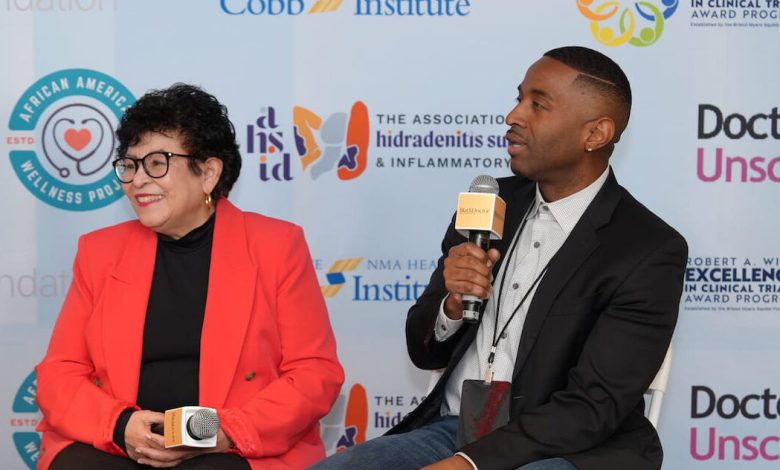
Before the panel even began, the truth was already in the room.
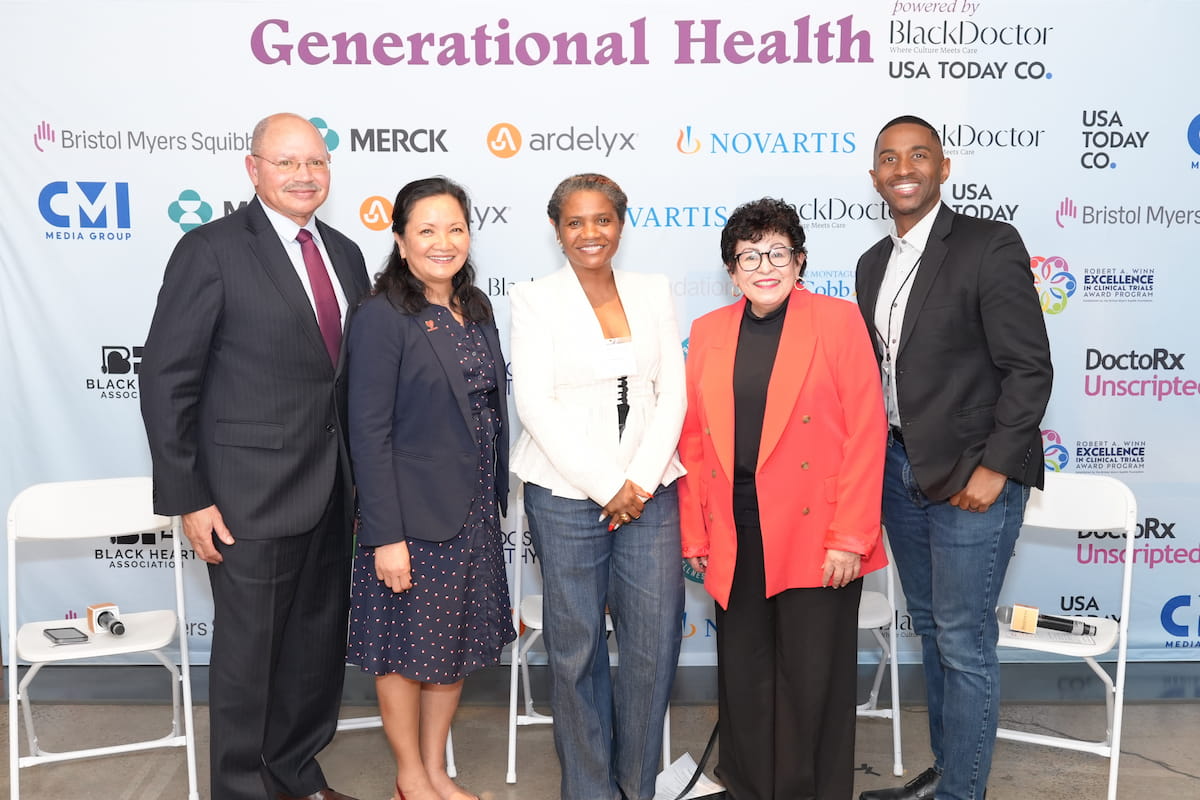
“Raise your hand if you have a family member—or someone close to you—who has high cholesterol, heart disease, or has had a heart attack or stroke,” asked panel moderator Dr. Luther T. Clark, Cardiologist and Executive Director, Patient Innovation & Engagement, Global Medical and Scientific Affairs, Merck.
Nearly every hand in the audience went up.
It was a powerful reminder that cardiovascular disease (CVD) is not distant. It’s personal, and for Black communities, it’s urgent.
CVD remains the leading cause of death globally. In the United States, the burden falls disproportionately on Black Americans. Nearly 60% of Black American adults live with some form of cardiovascular disease, compared to about 40% of the overall population. Elevated LDL cholesterol—often called “bad cholesterol”—is a leading driver of that risk.
But the panel made it clear this isn’t just about statistics. It’s about families—and what we choose to do with what we know. It’s about understanding what it means to “own your numbers.”
RELATED: Blueprint for Longevity: BlackDoctor and USA TODAY Bring the Nation’s Leaders Together
LDL is Personal – It’s our Why
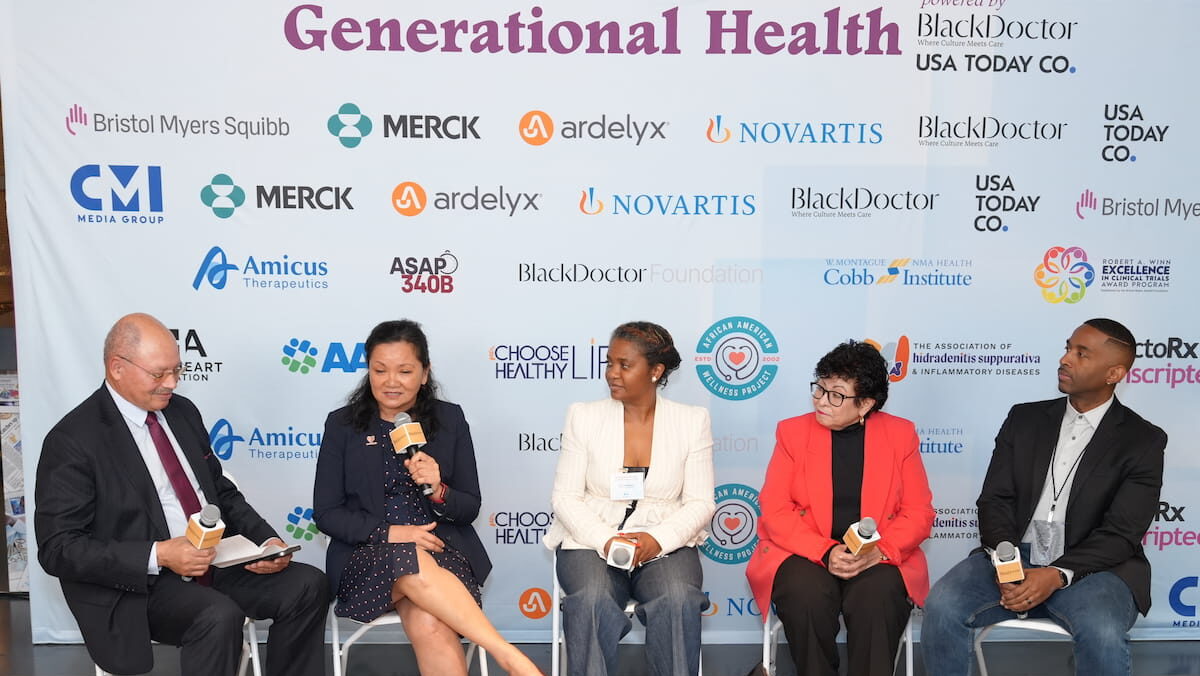
Each panelist came with a personal reason for being there.
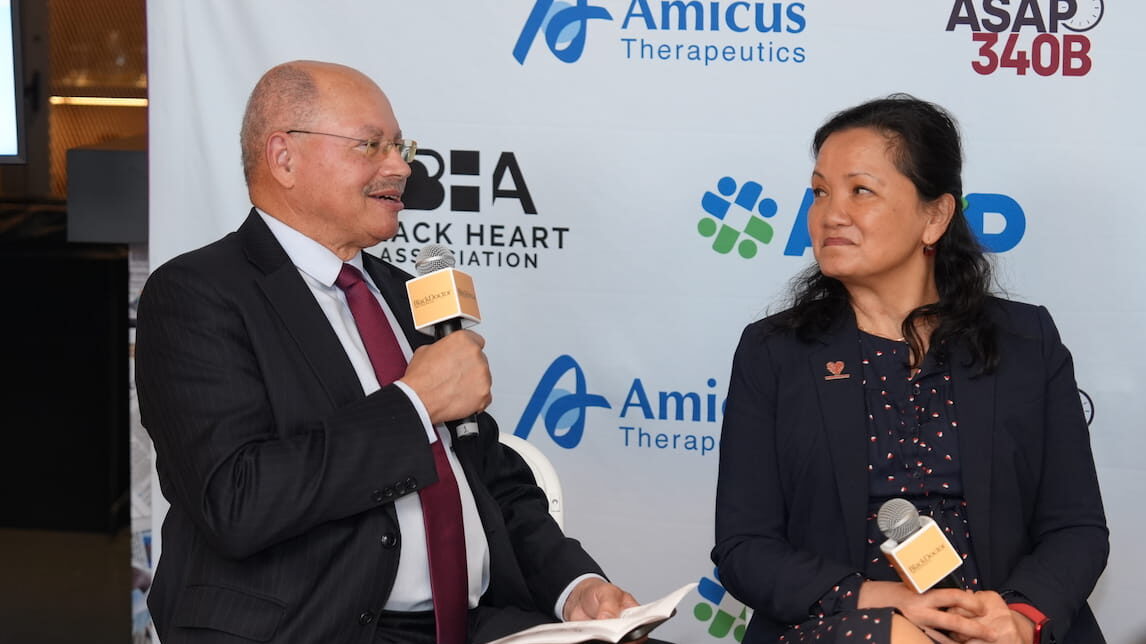
For Tara Robinson, CEO, Black Heart Association, and a three-time heart attack survivor in her early 40s, the mission is bigger than herself.
“My why is simply beyond me now. I almost lost my life at age 40. My why is my community. Heart disease has taught me that it’s beyond me, but I am capable of helping.”
Celina Gorre, CEO, WomenHeart, shared a motivation rooted in both diagnosis and loss. She is driven by ensuring other families don’t experience preventable grief.
“We must know our numbers.”
For Dr. Elena Rios, Physician and President, National Hispanic Health Foundation, the lens is both clinical and cultural.
“I’m here because I’ve been passionate about advocacy for Black and Brown communities – all of our communities that are not the golden standard white 60 kg male that I learned about in medical school. We all have our distinct needs and cultural values, and I really believe in the importance of getting together and building a stronger voice for the healthcare delivery system.”
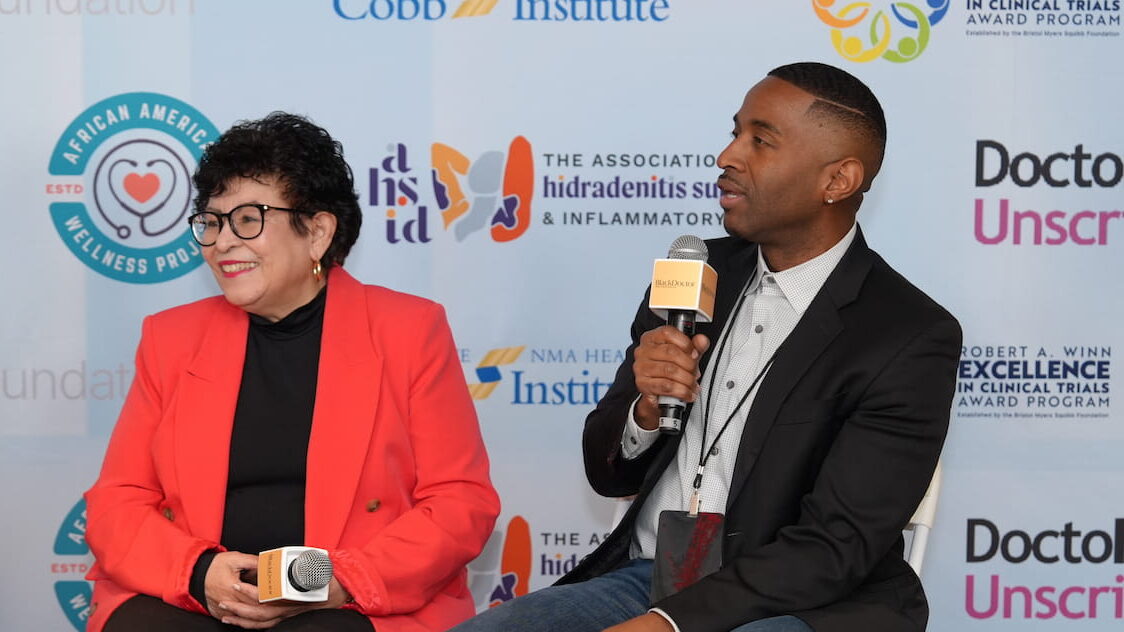
After Derrick Lane, Chief Marketing Officer, BlackDoctor, supported his mother through septuple bypass surgery, his focus became ensuring communities have the information and confidence to act.
Dr. Clark added: “It’s an opportunity to show that Merck is committed to Generational Health, listening to patients’ lived experience, and using that to contribute to solutions as we move forward.”
You Can’t Change What You Don’t Know
At the center of the conversation was a clear message: Know and Own Your Numbers.
While focused on LDL cholesterol because of its major role in the risk for and development of CVD, the message applies broadly to health indicators that many people don’t track.
As Gorre put it: “The earlier you can do something about it, the less likely you’re going to have that heart attack.”
But awareness alone isn’t enough. The panel highlighted systemic barriers, including limited access to screening, gaps in care, and health literacy challenges, which make prevention harder in underserved communities.
RELATED: From Reactive to Proactive: The Power of Storytelling in Breaking the HS Stigma
Generational Health: Know What Happened to Big Mama
One of the most powerful moments in the conversation was the shift from individual to generational health. Heart disease often runs in families—but conversations about it don’t.
Within many Black families, there is still a quietness around health history. Simply put, we don’t talk about what killed “Big Mama”—if we even know.
Robinson offered a practical solution: “You have to appoint someone in your family to be the record keeper of health for the family.”
Because every decision, every meal, every doctor’s visit, every conversation—has ripple effects.
She reminds her children, “Every choice you make impacts the entire family.
Gorre added a profound message: “Each and every one of us is the accumulation of everything that came before us.”
That includes genetics—but also habits, knowledge, and access.
From Awareness to Action
Lane captured it directly: “We all want to be healthy. So, what does that take? Understanding this and actually doing it—all in concert—is what we can do now to impact generational health for the future.”
This means moving beyond isolated conversations into collective action, educating communities, building trust, and ensuring information reaches those who need it most.
The messages from the panel were serious, but hopeful. While the disparities are real, so is the opportunity.
We can start earlier.
We can talk more openly.
We can advocate for ourselves and for our families.
Because when we understand our numbers, we’re doing more than managing risks, we’re protecting ourselves, our families and our legacy and the health of generations to come.