
The US Senate Banking Committee abruptly canceled its scheduled Thursday (Jan. 15) vote on groundbreaking crypto legislation after Coinbase CEO Brian Armstrong publicly withdrew support.
The bill, designed to establish clear regulatory frameworks for digital assets, now faces an uncertain future as negotiations stall with no new date set for committee action.
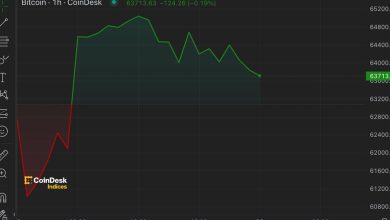
This reversal comes after the Senate Agriculture Committee postponed its own portion of the legislation earlier this week to late January, signaling broader challenges in crafting crypto rules that satisfy all stakeholders. Meanwhile, Bitcoin continues trading around $96,200, up 0.9% in the last 24 hours, as the overall crypto market maintains its massive $3.3 trillion valuation despite the regulatory chaos unfolding.
Why Coinbase torched its relationship with Congress
Armstrong’s announcement today revealed deep concerns about provisions that could fundamentally alter how crypto companies operate. The Coinbase chief outlined multiple deal-breaking issues, including what he called a “de facto ban on tokenized equities” and restrictions on decentralized finance that would grant government broad access to financial records.
The most damaging concern centers on stablecoin rewards—a revenue stream that could generate $1.3 billion for Coinbase in 2025. The proposed legislation would prohibit crypto exchanges from offering rewards to users who passively hold stablecoins, effectively killing Coinbase’s popular 3.5% USDC rewards program. Armstrong blasted these “draft amendments that would kill rewards on stablecoins, allowing banks to ban their competition,” according to his social media post on X.
Even more alarming for the crypto giant, the bill would weaken the Commodity Futures Trading Commission while expanding SEC authority—a regulatory shift the industry has fiercely opposed for years. Armstrong declared the current draft contains “too many issues” for Coinbase to support, marking a reversal for legislation the company had previously backed.
The withdrawal
Industry analysts are predicting catastrophic consequences from Coinbase’s withdrawal. Wall Street analysts at TD Cowen warned that Armstrong’s decision likely derails the legislation in the current Congress, describing the outcome as “negative for crypto and positive for banks.”
Political tensions exploded when Senator Ruben Gallego announced he would vote against the bill after White House crypto adviser Patrick Witt failed to attend a planned ethics discussion. This development, combined with Coinbase’s opposition, created what Banking Committee Chairman Tim Scott acknowledged as “unfinished business” that collapsed his aggressive push for quick passage.
The implications ripple far beyond crypto regulation. TD Cowen noted that the market structure bill would have served as a vehicle for additional financial reforms, including potential credit card interest rate caps and interchange fee regulation. With the bill’s future now hanging by a thread, these policy additions are unlikely to advance either, potentially handing a massive victory to traditional banking interests who have lobbied relentlessly against crypto yield offerings.
The twist
Despite the chaos, some industry voices maintain surprising optimism about salvaging meaningful legislation. Digital Chamber CEO Cody Carbone emphasized the importance of continued engagement with lawmakers to refine the bill before it reaches the President’s desk. Chairman Scott insisted that “everyone remains at the table working in good faith,” suggesting negotiations could somehow continue despite this dramatic postponement.
Yet the clock is now ticking louder than ever. The legislation reflects months of bipartisan negotiations involving industry innovators, investors, and law enforcement, with the ambitious goal of delivering “clear rules of the road that protect consumers, strengthen national security, and ensure the future of finance is built in the United States.”
The challenge now lies in balancing these lofty objectives with the competing interests of crypto companies, traditional banks, and regulatory agencies that seem increasingly at war.
Criminal organizations weaponized AI to make 2025 a very grim affair for cryptocurrency.