Resource optimization is a must today for any modern office. By managing space properly, each area will have a purpose for productivity and employee well-being. When planned, the spaces available would provide a better structure and more organized space. Strategic solutions enable organizations to ensure maximum usage while reducing the wasteful allocation of resources and building a more favorable work experience for their people.
Optimizing Physical Workspaces
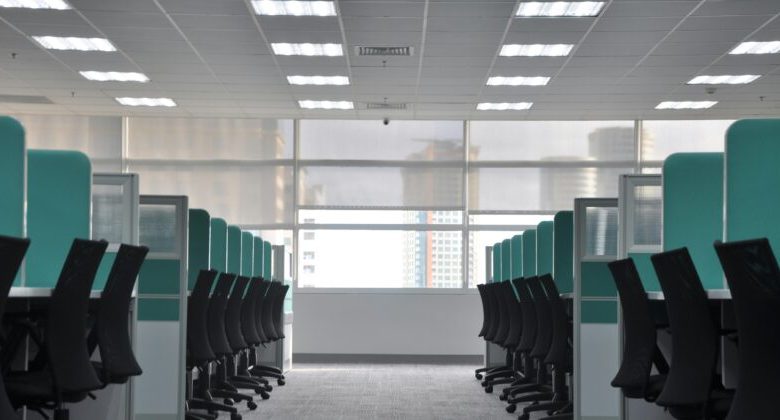
Similarly, smart solutions have the power to transform ordinary offices into productive workspaces. Study the office layout, detect the unutilized spaces, and redesign them to suit a purpose. Flexible seating and collaborative workstations enable more employees to take advantage of existing resources. Such changes promote collaboration and eliminate the need to scale unnecessarily. Better layouts also enable well-defined pathways for movement, which can reduce distractions over the course of a day. The integration of space management solutions often reveals underutilized areas that can be repurposed for collaboration.
Hybrid and Flexible Work Style Support
Adaptable Office Arrangements for Hybrid Work. They can use space management tools to monitor attendance and make sure there are enough desks for each team member. Flexible booking systems allow workers to book desk space when and where they need it. This lessens congestion and prevents avoidable empty areas. These tools also allow you to see how many times meeting rooms or breakout zones are used, which can help with future planning.
Reducing Costs and Resource Waste
How you utilize space has a direct effect on operating costs. We preserve energy not in use, like unused conference rooms or big offices that consume energy and maintenance costs. Space management solutions help identify such inefficient usage by an organization. Data-driven changes, such as coalescing workspaces, can lower utility expenses and cleaning requirements.
Enhancing Employee Satisfaction
An orderly workspace fosters comfort and productivity. An office with flexible workspaces and appropriate signage enables employees to locate the available desk or meeting room with ease. Which eliminates frustration and creates more time in your day each day. Clutter-free surroundings also keep you in a good mood and can help you focus a lot better. When companies can flex spaces based on employee feedback; it signals the value of employee needs and preferences.
Improving Collaboration and Communication
Companies design shared environments to foster specific types of interactions and facilitate the exchange of ideas. The open spaces and common areas promote collaboration and impromptu discussions. Meeting rooms or breakout areas have to be strategically placed for good group work and private discussion too. Space management solutions help keep the balance and prevent overcrowding of space by ensuring that all employees get optimal places to work with collaboration.
Enabling Better Decision-Making
Having data on space use helps make informed decisions. It gives real-time insights on occupancy patterns and preferences. Space management tools do offer real-time insights on occupancy patterns and preferences. These analytics can also provide insights into trends such as when the resource is used most heavily or other areas that are not being used as much. With this knowledge in hand, managers can tweak policies to reflect a business and its customers’ growth and transformation.
Supporting Health and Safety
The overall organization of workspaces has a significant impact on health protocols. Occupancy Monitoring: Tools that track occupancy levels to curb overcrowding and allow social distancing. Crisp pathways and designated areas lessen the chance for accidents or confusion. This space review ensures employee safety and productivity. When you put health at the forefront, you are creating a safe and desirable place for every staff member.
Preparing for Future Growth
People must be ready for changes in organizations as team sizes increase or if project requirements shift. These scalable space management solutions employ a flexible approach that allows them to adapt to any transition. Modular furniture and flexible layouts can adjust to the new hires or changing roles. This strategy prevents overtime renovations or moves, which will cost the companies a great deal of money. Organizations will be equipped to tackle challenges head-on while continuing to scale with purpose.
Conclusion
Space management solutions provide a great deal of utility benefit to any workplace looking to enhance its functional efficiencies. Intelligent firm design of physical areas can generate cost savings, improved morale, and teamwork. Having access to real-time data aids decision-making and sustains a safe, healthy environment. Organizations anticipate future opportunities with adaptable strategies, ensuring they are prepared for present and future needs.