Martin University, Indiana’s Only Predominantly Black University, To Close After Nearly 50 Years – AfroTech

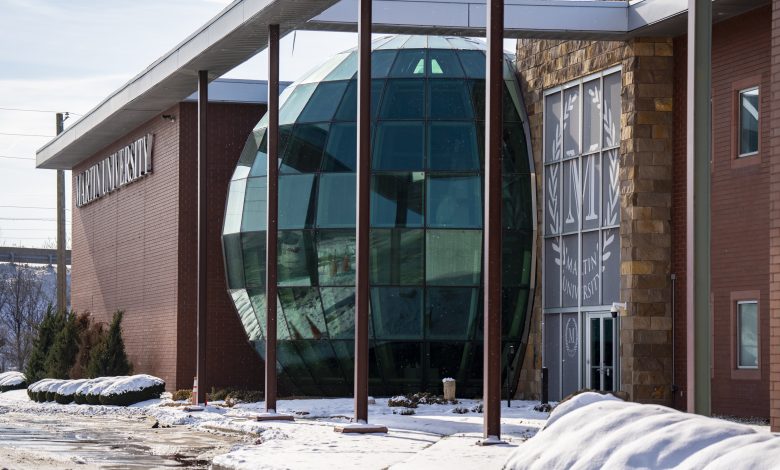

Martin University, Indiana’s only predominantly Black university, will permanently close after its Board of Trustees voted to cease operations, citing insurmountable financial challenges.
According to The EDU Ledger, the decision followed months of economic instability that ultimately made continued operations unsustainable.
In a letter released by the Board and reported by The EDU Ledger, trustees stated that the institution’s long-standing financial model could no longer support ongoing operations.
“Without an endowment and given today’s political climate around higher education funding, this financial model is simply not sustainable,” the Board wrote, according to the publication.
Enrollment Challenges And Financial Constraints
Martin University’s financial difficulties were closely tied to its mission-driven commitment to serving students with limited financial resources. According to the Board’s explanation, many students were unable to afford full tuition, requiring the university to rely heavily on grants, government funding, and philanthropic contributions. Over time, declining enrollment, rising operational costs, and accumulated debt significantly weakened the institution’s financial position.
Per the Board’s statement, the university initially paused operations while exploring potential solutions. However, as further confirmed by WTHR Channel 13, the Higher Learning Commission subsequently directed Martin University to cease operations entirely, citing the institution’s inability to meet financial and operational requirements.
The EDU Ledger shared that Martin University’s closure reflects a broader national trend impacting small, private colleges, particularly those serving low-income and minority students. The Board noted that more than 100 colleges have closed or merged since 2016, a trend driven by declining birth rates, enrollment challenges, rising costs, and shifting student preferences.
University leadership pursued multiple strategies in an effort to preserve the institution, it stated in its letter. These efforts included seeking institutional collaborations, transformational gifts, business and community partnerships, and enrollment growth initiatives. Despite these attempts, the Board reported that the university was unable to generate sufficient financial or enrollment momentum to continue operations.
Communication Gaps And Disrupted Academic Plans
While trustees emphasized that student continuity remained a priority, student accounts reported by WTHR indicate significant communication gaps during the closure process. Graduate student Jaylin Coleman stated she had completed all her coursework and expected to graduate in May, but she learned of the closure through informal channels rather than direct university communication.
Coleman told WTHR that she has been unable to obtain transcripts and guidance on transferring following the announcement. As further confirmed by the news outlet, repeated attempts by both Coleman and transfer institutions to contact Martin University reportedly went unanswered, leaving students uncertain about their academic and financial futures.
Martin’s Legacy Comes To A Close
Several Indiana institutions have stepped in to support displaced Martin University students, WTHR confirmed. The University of Indianapolis and Marian University have offered to accept transfer credits and, in some cases, match Martin University’s tuition. Marian University confirmed it has already enrolled former Martin graduate students and remains open to additional transfers through Fall 2026.
As Martin University winds down operations, the Board stated that assets will be sold in an orderly manner to meet financial obligations to creditors and employees. Trustees also acknowledged strong emotional reactions from alumni and community members, while emphasizing that the decision to close was made collectively by the full Board of Trustees, The EDU Ledger acknowledged.
Founded in 1977 to expand access to higher education for students historically excluded from traditional institutions, Martin University served Indianapolis for nearly five decades.