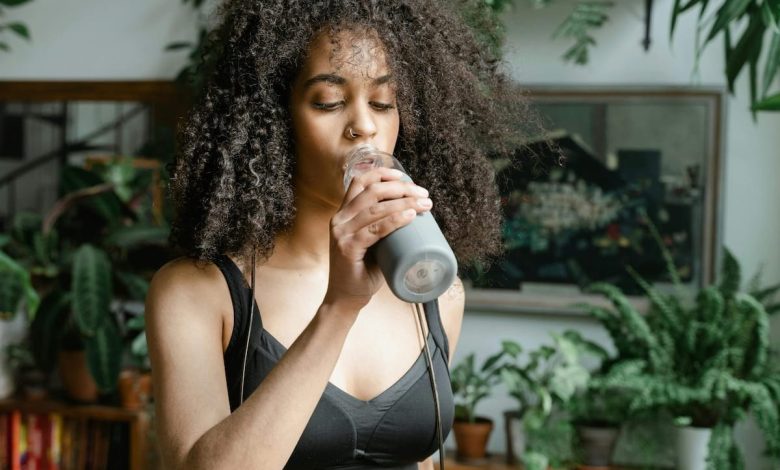
With bottled water everywhere, it has never been easier to drink more water. But does ease of bottled water access equal more affordability or support necessity? While it is a widely accessible convenience, opting for bottled water instead of tap means prioritizing a high-markup product that acts as a “luxury item” for many. For many, bottled water provides increased health benefits. Based on this perception and other considerations, many choose to pay for bottled water instead of drinking tap water for free.
Bottled water is significantly more expensive than tap water. Folks who spend money on bottled water may not realize how this luxury is impacting their budget. People buy bottled water a lot because they see it as a must-have. They often grab it due to worries about tap water quality and safety. It’s also convenient.
This perception has a financial effect that is real. A single bottle averages around $1.29. The water itself is less than $0.00001, with the rest going toward “plastic bottle production, packaging, marketing, and other factors that increase the price.” These make the price soar, but statistics show that, nevertheless, consumers spent $18.5 billion on bottled water.
When the cost of bottled water is measured against tap water, bottled water can cost thousands of times more per gallon than treated, safe municipal tap water. Using a water filter is generally considered a more frugal and environmentally sustainable choice.
RELATED: Are You Drinking Enough Water?
A luxury
What makes bottled water a luxury? Water is necessary; bottled water is not. From scientific studies, water filtration businesses, environmental nonprofits, and honest consumers, bottled water is at best an “[un]necessary convenience” whose packaging and contents are not worth the increased cost.
Not necessary
Bottled water is unnecessary unless there is a requirement to drink bottled water due to an extreme situation, like a natural disaster, for example, that makes tap water temporarily unsafe. Otherwise, you can always drink tap water. After finishing a bottle, however, you are stuck with getting rid of it, and if you are still thirsty, you must purchase or otherwise obtain another. Ninety-one percent of plastic is not recycled, according to research. This means you are more likely to have those bottles wind up in a trash can than in a recycling bin. Furthermore, institutions such as offices, gyms, and schools are increasingly providing filtered water as an environmentally and financially responsible alternative. Bringing your own container or using a provided cup to refill is both more economical and ecologically sound. Plus, filtered water provides that smoother taste that people who eschew common tap water are willing to pay for and drink if available.
The willingness to pay premium pricing
Absent a water filter, many consumers are willing to pay for the perceived superior, thirst-quenching experience, brand prestige, and supposed quality of bottled water, even when the alternative, tap water, is free. Bottled water companies often set higher prices to convey a perception of superior quality. Alternatively, the cost and packaging might simply signify luxury, which they consider adequate justification for the expense. In other words, it’s not for everybody.
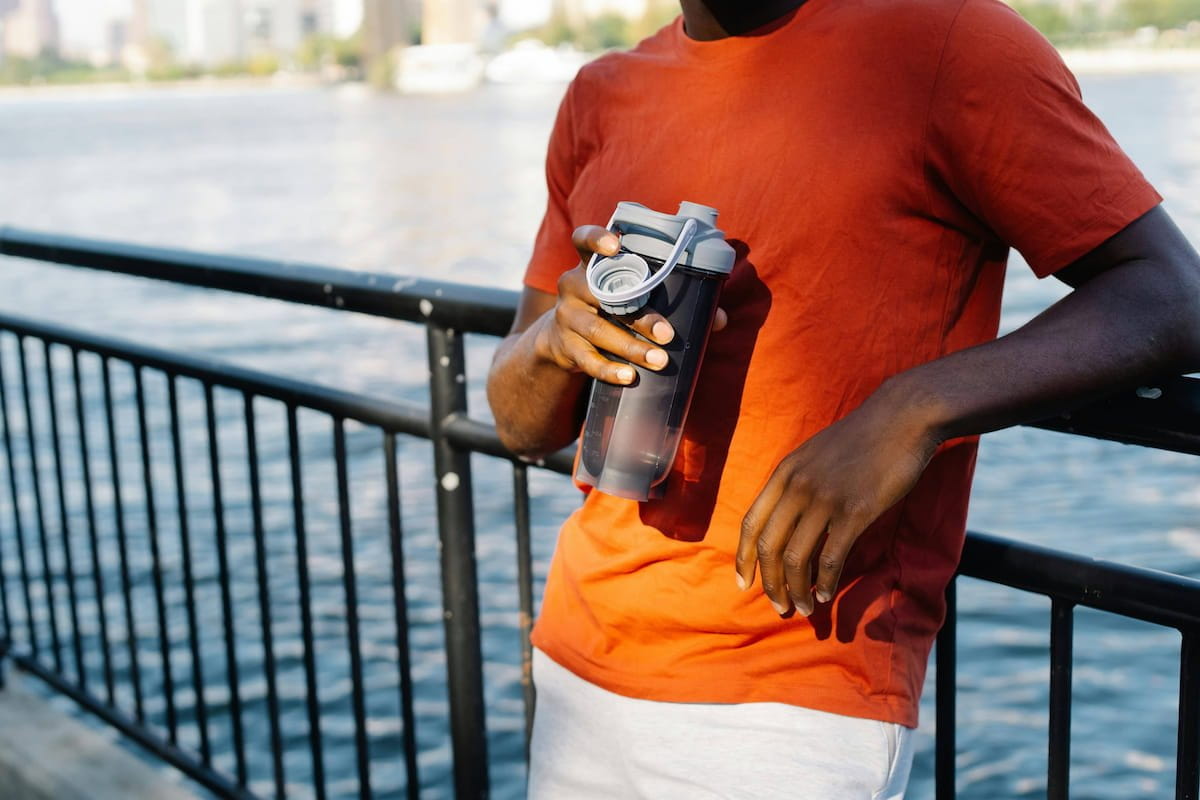
Value-based pricing
Bottled water has a perceived value to the targeted consumer. They may find the convenience and consistent taste to be worth paying more, although the cost of production is far lower. Logically, this is remarkable since tap water is a free, safe, and widely available alternative for everyone.
RELATED: 3 Ways To Improve Your Tap Water
Brand equity
Bottled water brands are consumer-recognized by their look and price, which allows bottled water companies to charge higher prices in comparison to unbranded or cheaper alternatives. Consumers are willing to pay for bottled water due to brand loyalty, often choosing it over tap water despite the latter’s free cost, easy accessibility, and similar taste.
Experience marketing: the “bougie” factor
When consumers purchase premium bottled water, they are aligning themselves with the experience they get in exchange. Premium bottled water can deliver the “bougie” factor by capitalizing on what their water makes them feel like when they choose to purchase then drink it: cool and chic, health-consciously hip, and financially able to afford the finer things in life, but not necessarily environmentally-friendly. Consumers are more concerned about what they look like when they are putting it in their body and less concerned about giving thought to the long-term environmental effect as a result of their beverage choice and consumption.
Additionally, you don’t have to be rich to buy into the “bougie” factor. You can be “bougie” with premium bottled water in different sizes to accommodate your budget: small, medium, or large. Sipping a premium water, even briefly, allows you to feel as though you embody the high-end target market and individual consumer profile, justifying the cost as a temporary indulgence.
Drinking a premium-priced bottled water is an experience that anyone can access if they are willing to pay for it. Tap water is easily available to the masses, while a premium bottled water brand makes you feel like part of the elite. You may not have a posh pedigree, but for a premium price, you can purchase a higher-end product that its financially comfortable members drink and enjoy. Bottled water sets you apart from the rank and file.
“Everybody” is doing it
If consumer drinkers of bottled water don’t easily fit into these other categories, then they can join the herd mentality. They can participate in drinking bottled water. Tap water is becoming a less favorable beverage choice even after folks have all the facts. Common? Definitely. Common sense? Not at all. Although tap water is easily rationalized as drinkable since it is free, safe, and found, not everyone sees it that way.
What began as a choice and not a requirement has become a default product that people include in their bought beverages. It first started as an option to offer guests on special occasions as a mark of hospitality for those who don’t drink coffee, tea, juice, or soda. Bottled water is now routinely expected to be the readily available beverage of choice, forming part of an unspoken social agreement. This expectation has evolved, however, and now many people consume bottled water daily without much thought to either the expense or the damage it does to the environment.
Bottled water brands are many and available. If customers are motivated by “taste, safety, and healthiness”, any of these bottled water companies is willing to take consumers’ money as costs rise for what is more of a convenience and a luxury item with all the marketing bells and whistles than a real necessity.
Know what you’re getting
The Environmental Working Group urges people to: “Save money. Learn what’s in your water. Avoid plastics. Reduce trash and pollution. Reduce energy use [for making bottled water].” The Water Project believes “the money spent [on bottled water] can be better used elsewhere”. The conclusion is clear: turn back to tap.