This HBCU Alum Has Taught Over 3,000 Girls About Cosmetic Science And Has Now Opened A STEM Classroom In Tulsa, OK – AfroTech

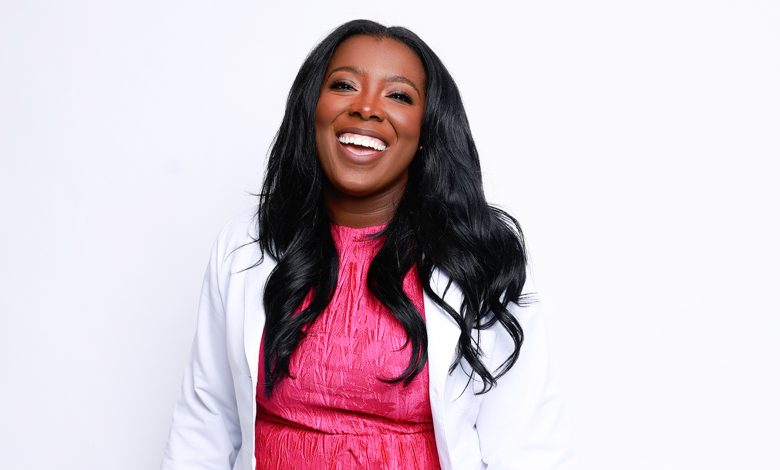
Wells-Collins was raised in an under-resourced community in Beaumont, TX, and said she had limited exposure to science, technology, engineering, and mathematics (STEM), according to her commentary on “The Jennifer Hudson Show.” However, Wells-Collins went on to pursue a degree in chemistry at Prairie View A&M University, according to her LinkedIn. After her studies, she became exposed to cosmetic chemistry and was immediately hooked.
Wells-Collins’s interest in STEM has led her to become a cosmetic chemist educator and founder of Black to the Lab, which provides an activity kit with hands-on learning experiences for girls to create lip gloss, body scrubs, lotion, and more. She is driven by a mission to increase representation in the field among Black girls, she told Jennifer Hudson.

“We know that they know makeup, so they know science. We want young girls to know that their voices are important. I’m extremely passionate about the field of cosmetic chemistry and youth education, and I felt like that I was truly called to this,” Wells-Collins said on “The Jennifer Hudson Show.”
Wells-Collins has taught over 3,000 young girls through Black to the Lab, per her LinkedIn. That number is poised to rise with the company’s recent opening of Tulsa Beauty Collective, a storefront featuring a STEM classroom in Tulsa, OK. According to information provided to AFROTECH™, it intersects science, scent, and skin care through a STEM Beauty Bar & Studio that welcomes kids and adults to create custom beauty products.
According to he purpose of make science feel like home for every learner, especially the ones who rarely see themselves reflected in STEM spaces.”

“My husband is a Tulsa native, and getting to build here, following the footsteps of our ancestors and our family’s legacy, felt like alignment with something bigger than myself,” she told .
“In a city shaped by innovation, resilience, and creativity — and with the support of Downtown Tulsa Partnership and Build in Tulsa — it not only felt right, it felt like a responsibility to create something that invests in Tulsa’s youth, celebrates Black identity, and builds pathways for the next generation of scientists, creators, and innovators,” she added.