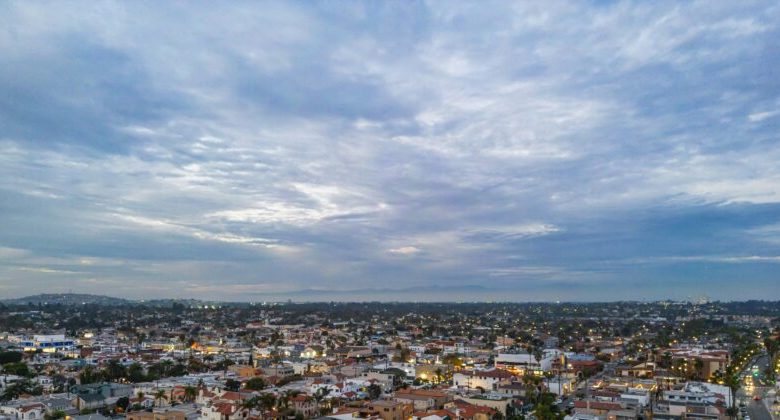
The urban shift is not on the future horizon, but a current, unfolding reality. Approximately 4 billion people, which is more than 50% of the world’s population, have already been inhabiting cities.
According to the reports by Word Bank projections, this trend will rise to nearly 7 in 10 by 2050 and is set to fundamentally transform real estate markets worldwide. From newly shaped mega-metropolises in Africa and Asia to reinvigorated urban hubs in the Middle East, cities are now becoming engines of economic growth.
Urban centers or more commonly referred “cities”, in today’s contemporary era, demand vast commercial expansion, cutting-edge housing, advanced infrastructures, and innovative investment patterns. To understand the impact of urbanization on property dynamics globally, dive into the guide and explore why Dubai stands out as a perfect example in strategic urban planning.
Global Urbanization Trajectory: Key Facts to Know
Urban growth is rapidly expanding at an unprecedented scale as underlined by World Bank:
- More than 4,000,000,000 people already live in metropolitan areas today.
- The predicted figure anticipates a significant increase by 2050, with greatest expansions in developing regions.
- Urban lands will nearly triple and proliferate by the addition of 1.2 million square kilometers of built-up land.
Macro Effects on Property Markets Worldwide
Global urbanization trends impacts real estate industries in various tangible ways, including:
Surge in Housing Demand
Key metropolitan regions increasingly attract rural migrants and experience an influx of international arrivals, which leads to soaring demand and need for houses.
Asset Optimization
The existing capital is moving to new, more productive areas and favor metropolitan property markets over agricultural property or rural land.
Infrastructure Pressure
With the rapid growth in urbanization trends, scalability in utilities, services, and transport has become fundamental to bring value to residential and commercial developments.
Urban Growth Shaping Property Market Trends
Value Catalyzed by Infrastructure
Cities with large investments in mobility and connectivity often observes:
- Rise in mixed-used communities
- Surge in property values, particularly those around transit hubs
- Higher ROIs driven by pedestrian-friendly ecosystems
For Instance:
The 2040 Urban Vision in Dubai plans the incorporation of enhanced accessibility into real estate landscape. The aim further extends and envisions to inhabit 55% of residents within 800 meter radius of a transit station. Such an advanced strategy ultimately fosters yield potential accelerated by transit-oriented development.
Evolution from Density to Livability
Modern urban planning strategies now include 15-minute cities or cohesive neighborhoods, ensuring daily essentials within a short stroll or convenient bike ride. Its significance?
- To exclusively reshape the conventional understanding of neighborhoods among city authorities and developers alike.
- Leading to increased demand for thoughtfully designed mixed-use developments and residential properties.
- Elevation of previously undervalued districts.
New Patterns in Commercial Real Estate
The shift to cities and consistently evolving urbanization trends are remodeling the way people used to work. Urban centers are now embracing:
- Innovation districts like The Sustainable City in Dubai
- Mixed-use developments like Dubai South
- Flexible office spaces and co-working areas
Urbanization-Driven Markets
Dubai: A Model of Strategic, Infrastructure-Led Growth
In 2026, Population in Dubai has outpaced 4 million and is projected for a significant expansion in coming years. Future forecasts a 5 to 5.8 million growth in population between 2030 and 2040. This massive growth accelerates demand for new commercial spaces, vast residential inventory, and limitless options for investment properties.
A Strategic Master Plan City of the Future
Considering its population surge and tremendous prestige on the global levels across diverse sectors, Dubai has modeled its urban growth around the 2040 Master Plan that outlines:
- Release of diverse housing mix and a curated balance between mid-segment options and luxury real estate to align with evolving preferences.
- Scalable open spaces and green areas to meet premium housing demand and to foster quality of life.
- Expansion of public transport for reduced congestion, car-free environment, and proliferation in property values along or near transit corridors.
Megacities in China
Guangzhou (72.7M population) and Shanghai (41.6M population) unfolds large-scale opportunities for commercial and residential sectors. The urbanization in these megacity clusters are shaped by transit-centric developments and infrastructure corridors.
Megatrends Redefining the Real Estate Industry
Understanding the collision of urbanization and structural drivers is essential to anticipate market shifts. Few of these megatrends include:
Green Building Standards & Sustainability
Demand for environmental-friendly properties is growing worldwide. For instance, the UAE Green Agenda 2030 promotes green building initiatives and eco-friendly regulations, showcasing the alignment of urbanization and sustainable goals to remain desirable.
Hybrid Living & Remote Work
The trend of WFH or hybrid working has altered location and space priorities for residents, amplifying demand for:
- Properties near transport or digital infrastructure
- Houses with dedicated workspaces
- Lower-density or suburban communities with enhanced serene landscapes
In dynamic markets like the UAE, this trend is supported through different visa programs that typically translate into new demand types and residential patterns.
Smart City Technologies & Innovative Solutions
Urban tech is widely surfacing as a new paradigm shift in real estate markets. Digital platforms for property transactions are launched, blockchain, and IoT technologies are incorporated for increased transparency and operational efficiency.
Challenges Faced by Urbanization
| Challenge | Impact on Property Market |
| Affordability | Escalating property values can price middle-income buyers out of the market |
| Oversupply | Certain segments may face price depreciation if supply exceeds population |
| Infrastructure Gaps | Property demand will cease without adequate infrastructure |
| Environmental Stress | Urban land expansion steers up energy use and emissions |
Closing In!
With the expansion of cities, the demand for innovation, housing, and commerce grows. Dubai is distinguished as the perfect example, thanks to consistent population influx, strategic urban planning, and scalable infrastructure investment.
This single market highlights how urban growth can become a central pillar of property market vitality. As urbanization will continue to define the way of living, working, and investing, understanding these dynamics is critical for policymakers, residents, and investors alike.