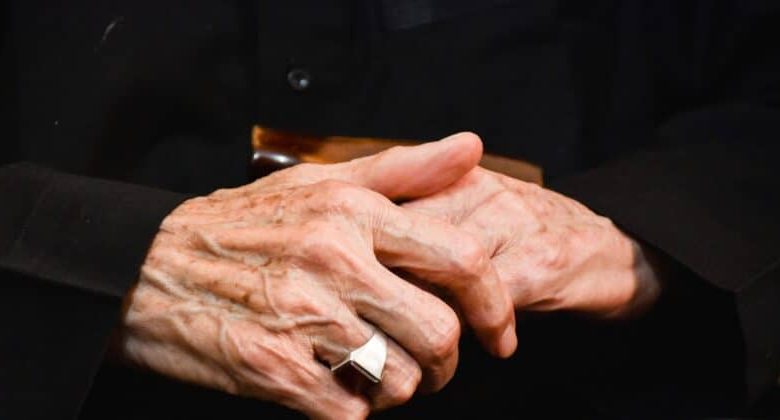
Your grandmother probably knew something we’re just now figuring out. That brooch she wore to every family gathering? It wasn’t just sentimental. It was an investment that outperformed most stocks.
The vintage ring market hit $3.8 billion in 2024. Analysts expect it to reach $6.2 billion by 2030. That’s an 8% annual growth rate while the S&P 500 bounces around unpredictably.
So what’s driving people away from jewelry counters at department stores and toward estate sales and specialist dealers?
The Quality Gap Nobody Talks About
Here’s something jewelers won’t advertise: older pieces often contain better materials than what you’ll find today.
Vintage gold jewelry frequently uses 18 or 22 karat gold. Walk into most chain jewelry stores now and you’ll find 10 or 14 karat as the standard. That’s a significant difference in actual gold content.
The craftsmanship gap runs even deeper. Pre-1950s jewelry was largely handmade by artisans who spent years mastering their trade. Modern pieces? Many come from factories where speed matters more than skill.
This isn’t nostalgia talking. It’s metallurgy.
A 1920s Art Deco bracelet often features hand-cut gemstones, individually set by someone who examined each stone under magnification. Mass-produced contemporary pieces use machine-cut stones dropped into pre-formed settings.
What “Vintage” Actually Means
People throw around terms like vintage, antique, and estate without knowing the differences. Here’s the breakdown.
Antique jewelry predates the 1920s. Victorian pieces (1837 to 1901) fall into this category, as do Edwardian items from 1901 to 1915.
Vintage typically covers the 1920s through the 1980s. Art Deco (1920s to 1930s), Retro (1940s), and Mid-Century Modern all qualify.
Estate jewelry simply means previously owned. It could be from last year or last century.Why does this matter? Because a seller calling something “vintage” when it’s actually from 2005 is either ignorant or dishonest. Neither inspires confidence.

The Sustainability Angle
Every new piece of jewelry requires mining. Gold extraction uses cyanide and mercury. Diamond mining displaces communities and scars landscapes.
Buying vintage sidesteps all of that.
The materials already exist. The environmental damage, however regrettable, happened decades ago. Extending the life of these pieces represents the purest form of recycling.
This resonates strongly with younger buyers. According to market research, sustainable luxury adoption now drives purchasing decisions across multiple demographics, not just environmentally conscious millennials.
The math works out too. Why pay premium prices for newly mined gold when vintage gold is chemically identical and often purer?
Red Flags When Shopping
Not everything old is valuable. Not everything labeled vintage is authentic.
The explosion in vintage popularity has attracted counterfeiters and misleading sellers. Some warning signs to watch for:
Prices that seem impossibly low. A genuine Art Deco diamond ring doesn’t cost $200. If the deal looks too good, it probably is.
Vague provenance. Reputable sellers can tell you something about where a piece came from. “I found it at a flea market” isn’t provenance.
Reluctance to provide documentation. Legitimate dealers welcome questions and provide detailed information about origin, materials, and any repairs.
The magnet test offers a quick authenticity check. Real gold and silver don’t respond to magnets. If a piece sticks, walk away.

Hallmarks: Your Best Friend
Those tiny stamps inside rings and on clasps? They’re not random scratches. They’re hallmarks, and reading them separates informed buyers from easy targets.
“925” indicates sterling silver. “750” means 18 karat gold. “585” signals 14 karat gold. “950” or “PLAT” identifies platinum.
Maker’s marks identify who created the piece. Cartier uses an eagle symbol. Tiffany stamps its name. Van Cleef & Arpels uses a dog mark or “VA” initials.
Date letters, common on British pieces, pinpoint when an item was assayed. A complete hallmark set might include purity, maker, assay office, and date, essentially a birth certificate for jewelry.
Grab a jeweler’s loupe with 10x magnification. Check inside ring bands, near clasps, on earring posts. Worn marks on genuine vintage pieces look different from the sharp, machine-perfect stamps on modern reproductions.
Experts at specialist dealers like vintage jewellery London spend years learning to decode these markings. When you’re spending serious money, their expertise protects your investment.
What’s Hot Right Now
Trends cycle in vintage jewelry just like they do in fashion. Knowing what’s gaining momentum helps with both wearing and investing.
Industry analysts predict sculptural gold chokers will dominate 2025. Not the plastic tattoo-style versions from the 90s, but substantial, architectural pieces with real presence.
Animal motifs continue climbing. Snakes, big cats, and birds appear across price points. The bolder the better, apparently.
Neoclassical designs inspired by ancient coins and medallions have crossed over from home decor into jewelry. Think Roman emperor profiles and Greek mythology imagery.
Western-influenced sterling silver, particularly substantial pieces with turquoise or coral, has grown steadily on resale platforms.

Building a Collection Without Going Broke
You don’t need deep pockets to start collecting. Some of the most satisfying finds cost under $100.
Victorian bar pins offer accessible entry points. So do unsigned Art Deco dress clips and Mid-Century costume pieces from makers like Trifari and Coro.
Start by handling as many pieces as possible. Visit antique shows. Browse estate sales. Train your eye before training your wallet.
When you do buy, ask questions. Where did this come from? Has it been repaired? What can you tell me about its history? Sellers who bristle at basic questions aren’t worth your business.
Document everything. Photograph hallmarks. Save receipts. Keep any provenance information. This paper trail matters for insurance, resale, and your own peace of mind.
The Clasp Test
Different eras used different closure mechanisms. This detail helps authenticate pieces and date them accurately.
Victorian and Edwardian brooches typically feature simple C-clasps, just a curved hook without a safety catch.
Trombone clasps, with a long pin that slides through a tube, appeared in the early 1900s.
Modern safety catches with locking mechanisms became standard after the 1940s.
Finding a safety catch on a supposedly Victorian piece? That’s either a later addition or a red flag.
Spring ring clasps on necklaces date from the early 1900s. Lobster clasps came later. Barrel clasps suggest certain eras. Each detail tells part of the story.
Wearing Vintage Without Looking Costume-y
Owning beautiful pieces means nothing if they sit in a drawer.
The current styling approach favors mixing. One significant vintage ring with otherwise contemporary jewelry reads as intentional, not eccentric.
Condition matters for wearable pieces. Loose stones, weak clasps, and compromised settings need professional attention before regular use.
Keep vintage away from perfumes, lotions, and household chemicals. These can damage both metals and stones, particularly softer materials like pearls and opals.
Store pieces separately. Diamonds scratch gold. Chains tangle. Soft gemstones nick easily. Individual pouches or compartments prevent unnecessary wear.

Photo by sheilabox on Unsplash
The Emotional Premium
Beyond financial returns and sustainability arguments, vintage jewelry offers something new pieces cannot: connection to human stories.
Who wore this ring on their wedding day? What occasions did this necklace witness? Whose hands clasped this bracelet through decades of ordinary moments?
These questions may never find answers. That mystery adds rather than detracts.
You become a temporary custodian. The piece existed before you. It will exist after. Your ownership represents one chapter in a longer story.
Family heirlooms carry this weight most intensely. But even pieces acquired without known history develop personal significance through the experiences they accompany.
Where the Market Goes From Here
Several forces suggest continued growth in vintage jewelry.
Supply constraints exist by definition. No more Victorian pieces will ever be made. As existing inventory gets absorbed into collections, scarcity increases.
Authentication technology keeps improving. Blockchain certificates and AI-powered verification tools make buyers more confident, which supports premium pricing.
The global market continues expanding. Buyers from emerging economies now compete for pieces that once circulated primarily in Western markets.
Offline remains important despite e-commerce growth. About 63% of jewelry purchases still happen in physical stores where buyers can examine pieces directly. That tactile experience matters even more for vintage items where condition and authenticity require close inspection.
Final Thoughts
The shift toward vintage jewelry reflects broader changes in how people think about consumption.
Quality over quantity. Sustainability over disposability. Meaning over mere acquisition.
A well-chosen vintage piece connects you to craftsmanship that often exceeds current standards, materials that frequently surpass modern offerings, and human stories that mass production cannot replicate.
Whether you’re building a serious collection or simply looking for jewelry that means something, the vintage market rewards educated buyers who take time to learn what they’re looking at.
Start small. Ask questions. Handle everything. Trust expertise when you find it.
The pieces themselves have waited decades already. They can wait until you’re ready.