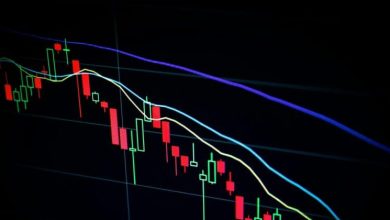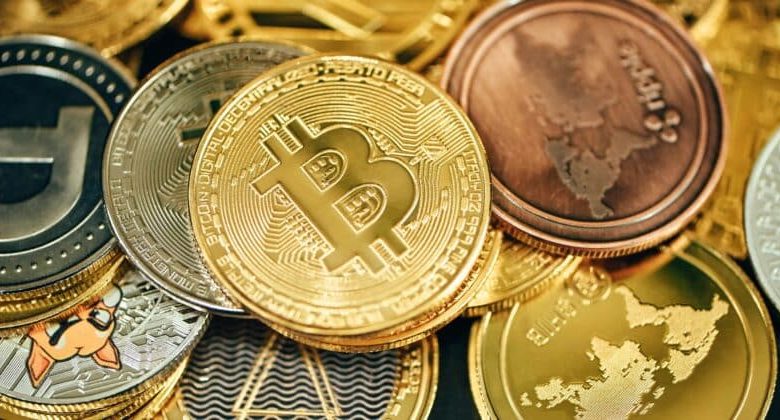
Open a phone first thing in the morning and a familiar mix of updates may appear. A banking alert, a card transaction, a store reward, or a headline about sports might sit beside financial numbers that refresh on their own. For many people, the bitcoin price live has slipped into that rotation. It does not mean the person is a trader. It has simply become part of the financial scenery that appears on a screen without effort.
What makes this interesting is how ordinary it now feels. Live crypto pricing used to require dedicated software or special interest. Today, the number shows up in places where people already manage everyday tasks. According to Binance Research, total crypto market value fell by 1.7 percent in August 2025 after Bitcoin briefly reached a record near 124,400 US dollars and then responded to a higher-than-expected Producer Price Index reading. Daily pricing kept being monitored anyway. The habit has little to do with trying to predict a moment. It is more about having a sense of how digital markets are moving during the day.
A Small Signal in Daily Life
Over the past few years, bitcoin has shifted from a niche topic into something more ambient. A person can go through an entire day without thinking about crypto but still catch small moments of price movement simply because the number is nearby. Binance Research reports that Bitcoin’s share of total crypto value dropped to around 57.3 percent in August 2025 as attention moved toward Ethereum and other digital assets. Ethereum’s portion reached more than 14.2 percent in the same month. The speed at which this information travels shows how easy it has become to see market direction.
Familiarity is a big part of it. A 2024 survey from TGM Statbox found that about 63 percent of people worldwide have at least some knowledge of cryptocurrencies, including many who never buy or sell. This level of awareness helps explain why bitcoin pricing does not feel technical or unusual anymore. People encounter the number without needing to study it. Bitcoin live price is simply another metric, like checking a currency rate or glancing at a stock index.
Interest rate expectations often influence how risk assets behave, although not always in simple ways. Analysts at Binance have compared expected rate cuts with Bitcoin price movement and found that the historical relationship is uneven and weak, rather than a predictable line. Markets frequently respond to expectations before official announcements are made. When a person watches real-time movement, they are seeing a combination of emotion, policy interpretation and market momentum rather than a single cause.
Community Awareness and Modern Screens
Real-time pricing feels particularly familiar for people who already run some part of their financial lives through mobile tools. Gig workers, independent earners and digital business owners regularly check incoming payments, subscription renewals, invoicing tools, or banking dashboards on the same device. Seeing bitcoin pricing nearby is not a replacement for traditional finance. It is simply part of the information environment that has developed around everyday digital life.
Institutional activity has also made daily pricing feel more normal. Research from Binance notes that Ethereum’s market share rose above 14.2 percent in August 2025 and corporate treasuries held roughly 4.44 million ETH at that time, equal to about 3.67 percent of the total supply. People may never interact with corporate assets themselves, but knowing that major institutions hold exposure makes the overall market feel more established. Price movement becomes a way to observe how digital value responds to adoption rather than a cue to take action.
Analytics from Chainalysis show stablecoins are used for many practical purposes, ranging from cross-border transfers to regional business payments. Some regions rely on stablecoins for settlement and everyday financial flows because transfers can settle quickly and appear transparently on-chain. This does not eliminate traditional financial systems. It expands the number of situations in which digital value has a visible footprint. Watching live pricing is a simple way to notice movement without needing to understand the technical details underneath it.
How People Interpret Movement
Daily pricing invites interpretation even when no financial step is taken. A calm number can suggest a quiet market or steady conditions. A sharp move may feel like risk appetite has changed. These are impressions rather than instructions. Earlier generations watched similar indicators through printed financial pages or nightly television broadcasts. The difference now is that the information sits on a personal screen and updates constantly without being requested.
This daily visibility builds a slow kind of financial learning. Watching how bitcoin moves across the day helps people see how sentiment responds to events, upgrades, regulatory clarity, or broader macroeconomic trends. There is no need to predict anything. The value lies in recognizing how digital markets behave when conditions shift. It becomes easier to understand modern finance when value is not hidden but shown in real time.
Screens and the Next Phase of Awareness
Live pricing will likely feel even more normal as digital wallets, budgeting software and other financial tools bring market numbers into everyday screens. Pricing feeds may become background information, similar to weather alerts or location data. People will see movement without searching for it and familiarity will grow naturally. This gently supports financial literacy because users do not need special education to observe how digital markets change.
Communities experimenting with new financial tools can benefit from this visibility as well. The same phone used for messages, navigation and payments can also show how digital value behaves. People do not need a brokerage account or complex software to feel connected to financial information. Real-time pricing becomes part of ordinary digital life, shaping awareness rather than encouraging short-term decision-making.