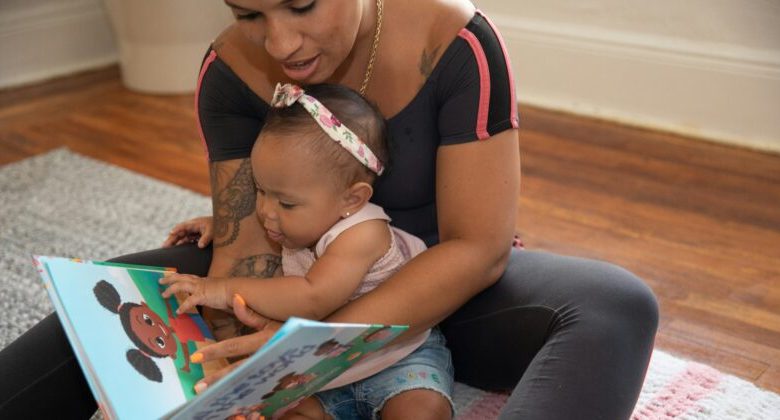
Reading is one of the most important activities in a child’s early development. Through stories, children learn language, explore emotions, and develop imagination. For generations, traditional children’s books and picture books have played a central role in helping young readers build these skills. However, a new approach to storytelling is becoming increasingly popular: personalized books for kids.
Personalized books place the child at the centre of the story, allowing them to become the main character rather than simply observing one. This shift may seem small, but it creates a much deeper connection between the child and the reading experience. As a result, personalized books often encourage stronger engagement, emotional attachment, and enthusiasm for reading.
Turning the Child Into the Hero
One of the main reasons personalized books create such a strong connection is that they transform the child into the hero of the story.
Traditional children’s books usually feature fictional characters with unfamiliar names and backgrounds. While these stories can still be enjoyable and educational, the child experiences the story from the outside.
In contrast, personalized books for kids include the child’s name and sometimes personal details within the narrative. This makes the story feel directly relevant to them.
When children hear their own name while a story is being read, their attention immediately increases. The story becomes personal rather than distant, and the child feels more involved in what is happening on each page.
Strengthening Attention and Engagement
Young children often struggle with maintaining focus during reading time. Even engaging picture books may lose their attention if the story feels unrelated to their own experiences.
Personalized books address this challenge by creating a sense of ownership. Because the child is part of the story, they are more likely to stay attentive and curious about what happens next.
Parents frequently observe that children:
- Listen more carefully during personalized stories
- Ask questions about the story events
- Request the same book repeatedly
This increased engagement makes personalized books an effective complement to traditional books for kids.
Supporting Early Language Development
Reading plays a major role in building language skills. Traditional baby books and children’s books introduce vocabulary, sentence structure, and storytelling patterns.
Personalized books enhance this learning by linking language to the child’s identity. When children repeatedly hear their own name within sentences, they develop stronger recognition and memory of those words.
For example, a sentence like “You are going on an adventure” directly connects the language to the child’s experience. This personal relevance can make words easier to remember.
Over time, repeated exposure to personalized storytelling helps reinforce vocabulary and comprehension in ways similar to traditional kids books, while also strengthening emotional engagement.
Encouraging Emotional Connection With Reading
Emotional connection is a powerful driver of learning. Children are more likely to remember experiences that feel meaningful or exciting.
Personalized books create this emotional bond by placing the child in situations where they are brave, curious, kind, or adventurous. These positive experiences within the story reinforce self-confidence and identity.
Instead of watching a character overcome challenges, the child experiences the story as if they are the one solving the problem. This can make reading more memorable and enjoyable.
Compared to standard children’s books, personalized stories often feel more meaningful because the child sees themselves reflected in the narrative.
Making Reading a Shared Experience
Reading time is often one of the most important bonding moments between parents and children. When parents read picture books aloud, they use tone, expression, and interaction to bring the story to life.
Personalized books add another layer to this experience. Because the story includes the child’s name, parents naturally emphasize it while reading. This creates excitement and encourages participation.
Children may point to their name, repeat familiar phrases, or anticipate what happens next. These interactions turn reading into a shared activity rather than a passive listening experience.
As a result, personalized books can strengthen both literacy skills and family bonding.
Building Confidence Through Storytelling
Confidence plays an important role in a child’s willingness to learn. Stories that portray the child as capable and adventurous can help reinforce positive self-beliefs.
Many personalized books are written to highlight qualities such as kindness, curiosity, and bravery. When children repeatedly see themselves represented in positive roles, they begin to internalize these traits.
Traditional books for kids can also teach valuable lessons, but personalized books make those lessons feel more direct and personal.
This subtle difference can encourage children to view themselves as active participants in their own learning and development.
Creating Keepsakes That Last
Another factor that contributes to the strong connection children feel with personalized books is their uniqueness.
Unlike standard children’s books, personalized books are created specifically for one child. Because of this, families often treat them as keepsakes.
Parents frequently keep these books long after their child has grown older. They become reminders of early childhood memories, reading routines, and important milestones.
In this way, personalized books often carry emotional value far beyond their educational purpose.
Combining Personalization With Quality Storytelling
While personalization increases engagement, the quality of the story itself remains important. A well-written narrative with strong illustrations helps ensure the book remains enjoyable for repeated readings.
Some modern personalized book creators focus on balancing storytelling and personalization to create meaningful reading experiences. Brands such as Wondeme design personalized stories that integrate a child’s identity into well-crafted narratives, allowing personalization to enhance rather than replace the storytelling.
When done effectively, this approach maintains the educational benefits of traditional picture books while adding a deeper personal connection.
Complementing Traditional Children’s Books
Although personalized books offer unique benefits, they are not meant to replace classic children books like wondeme entirely.
Traditional picture books introduce children to diverse characters, cultures, and ideas beyond their own experiences. These stories help expand imagination and understanding of the wider world.
Personalized books work best as a complement to these traditional stories. By combining both types of reading materials, children can experience a wide range of storytelling styles.
This balanced approach supports creativity, empathy, and literacy development.
Final Thoughts
Personalized books for kids are becoming increasingly popular because they create a deeper connection between children and the stories they read.
By placing the child at the centre of the narrative, these books:
- Increase attention and engagement
- Strengthen language recognition
- Encourage emotional connection
- Build confidence through storytelling
While traditional children’s books, picture books, and kids books remain essential for learning and imagination, personalized books offer a unique way to make reading feel personal and meaningful.
For many families, this personal connection transforms reading from a routine activity into an experience that children truly look forward to.