
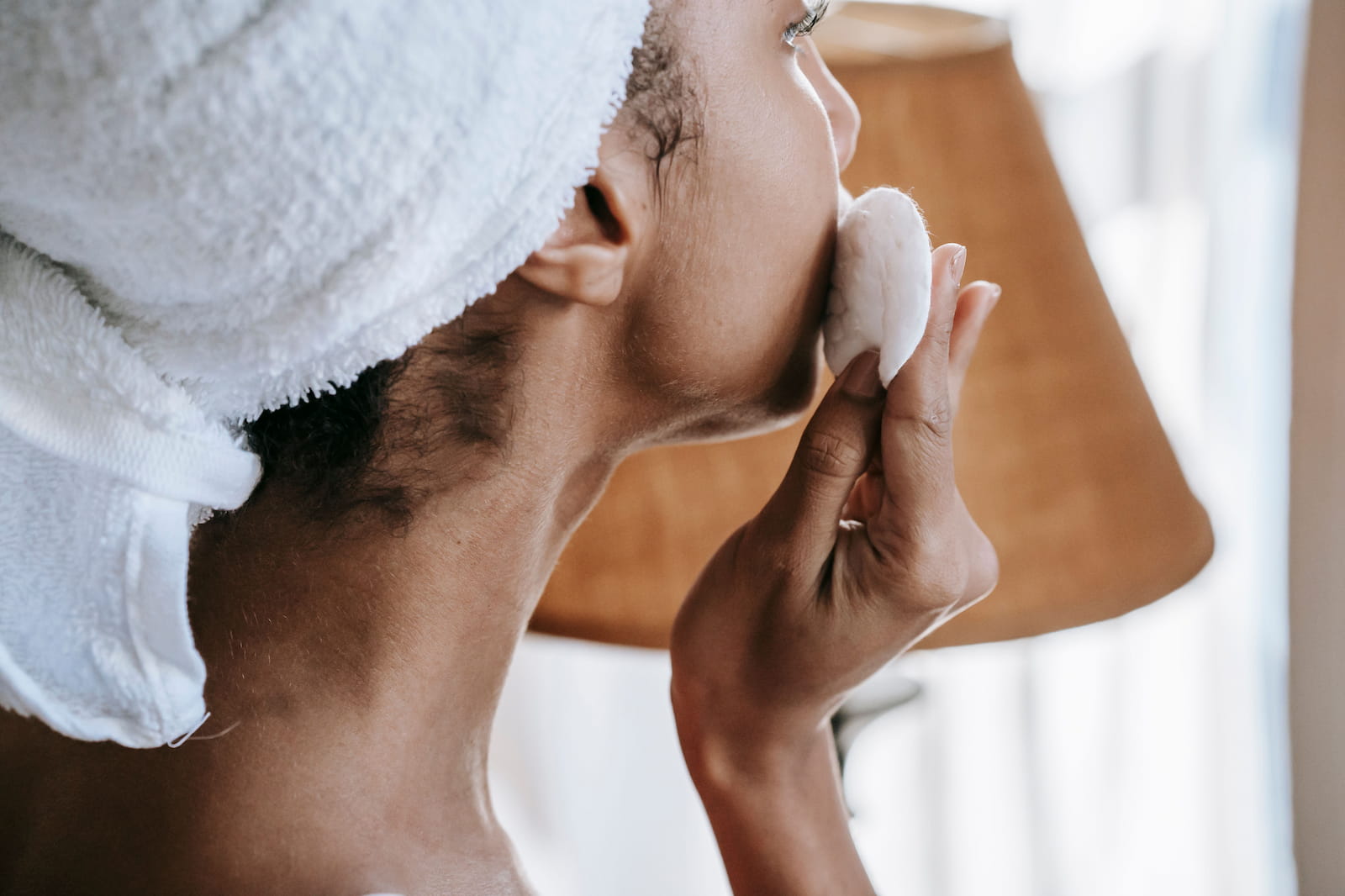
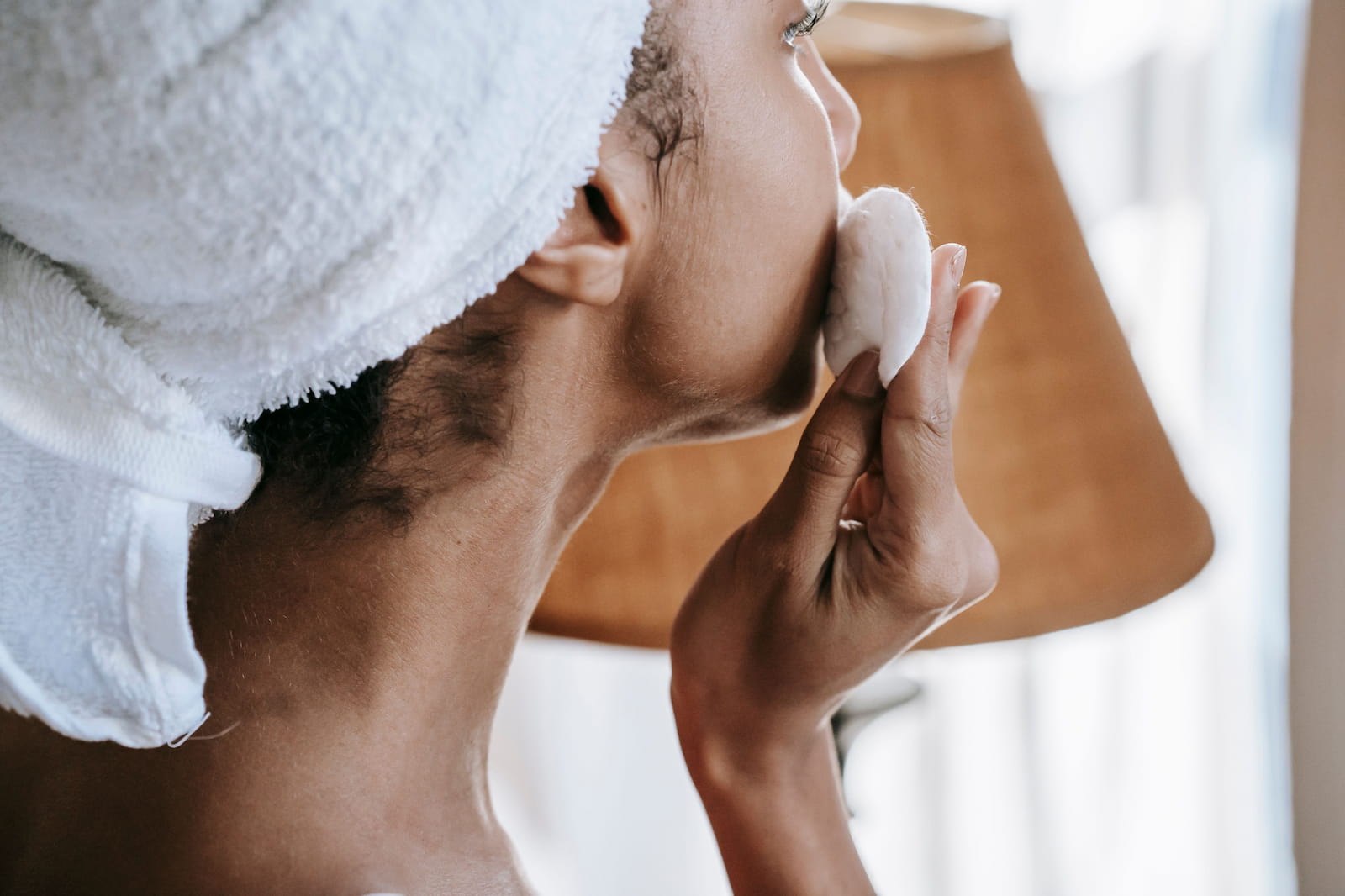
One of the things I’ve seen people discuss in online pregnancy forums is hyperpigmentation. But please know that it’s not just an issue that pregnant women deal with. Hyperpigmentation, as shared by Dr.Axe.com, is defined as “darkening of the skin and discoloration, usually due to higher than normal levels of melanin”. Because melanin is a key component of this skin issue, it tends to strike Black people/people of color.
Stylecraze let me know that sunlight, allergic reactions, and sketchy hair removal creams can be sources of skin discoloration.
Rapper Azealia Banks has also called out the birth control shot Depo-Provera as a cause for a “severe breakout” (which can be the precursor to hyperpigmentation).
From my experiences with scars leaving my skin uneven, I can say that it can affect self-esteem. There have been days when I dressed differently or felt uncomfortable after scars were pointed out.
The popular method of bleaching is not only toxic (literally), it can make your skin even lighter than it was originally. Plus, the ingredients are generally unnatural.
Bleaching’s appeal is directly correlated to the little amount of time it can take to be effective. But bleaching is not safe, and it is not the only route to putting an end to hyperpigmentation.
RELATED: Sensitive Skin? These Skincare Products Ingredients Are For You
Natural remedies for hyperpigmentation
There are natural ways to heal the skin and allow it to return to its natural color. In this piece, I’ll address three distinct methods that can help clear up skin discoloration.
Diet
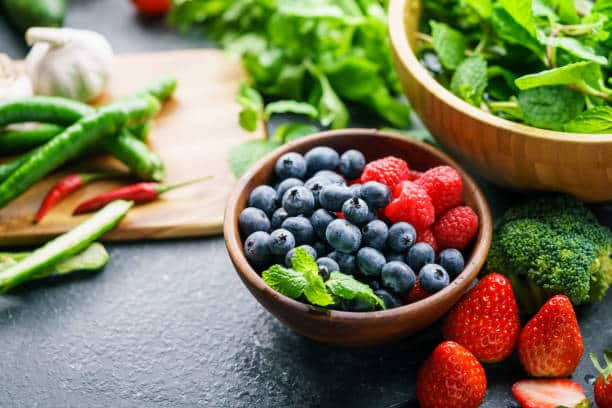
Theclearskinessentials says that by lessening the amount of fructose in your diet, you do your skin a major favor. Fructose apparently affects your hormones as well as your liver, which is also connected to your skin’s health.
So, cut back on sodas, processed/fast foods, and candy. Draxe suggests an anti-inflammatory diet that includes leafy greens, berries, avocados, and fish that are rich in omega-3. Water helps too!
Exfoliation
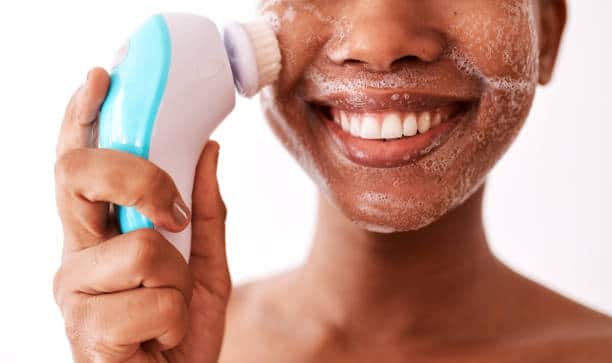
This method removes dead skin from the face/body. Scrubs that are too rough can be just as detrimental, though, so steer clear of them. Also, keep the scrubbing to a minimum – three times a week is plenty, and maybe even more than enough.
Ilovehomeremedy gives a simple DIY recipe for an oatmeal mask: “milk, one tablespoon of organic honey, and one tablespoon of oatmeal”. (Before using this, your skin should be clear. The mixture should sit on your face/affected area for half an hour, be removed with warm water, and be used around bedtime).
Oatmeal is suggested because it adds moisture to the skin, gets rid of additional oils, and helps heal acne scars.
RELATED: Great Places to Find Quality Skincare Products for Cheap
Aloe Vera

Lastly, aloe vera is a plant that’s been used to heal for thousands of years, as read on aloeplant.info. While there are skin products that include the gel of the plant, my sister has been using the gel itself (to deal with hyperpigmentation due to insect bites) and has had desirable results.
Aloe is effective because it “encourages the skin to produce new skin cells”. Like oatmeal, it’s also a natural moisturizer. You can pick up an aloe vera plant at your local Walmart, Home Depot, or Lowes for $20 or less.
When to See a Doctor for Hyperpigmentation
While most common forms of hyperpigmentation—such as post-inflammatory hyperpigmentation from acne, sun spots (solar lentigines), or melasma—are harmless and primarily cosmetic, certain signs warrant a professional medical evaluation by a board-certified dermatologist.
Key Signs That Require Medical Attention
You should schedule an appointment with a healthcare professional or dermatologist if you notice any of the following:
- Rapid or Sudden Changes: A dark patch or spot that appears abruptly, changes shape quickly, or grows rapidly.
- Irregular Borders: Pigmentation with jagged, notched, or poorly defined edges.
- Color Variation: A spot that contains multiple shades of color, such as different tones of brown, black, tan, red, white, or blue.
- Asymmetry: One half of the spot does not match the other half in shape or appearance.
- Physical Symptoms: A pigmented spot that begins to itch, hurt, bleed, crust, or feel tender to the touch.
- A “Ugly Duckling” Sign: A spot that looks significantly different from, or stands out among, your other moles or freckles.
- Lack of Improvement: A dark spot or patch that does not respond to over-the-counter treatments or sun protection measures over several months.
- Unexplained Mucosal Pigmentation: New or changing dark spots inside the mouth, on the palms of the hands, or on the soles of the feet.

Brooklyn White is a journalist with content featured on Teen Vogue, Rookie Mag, and Bitch Media.