
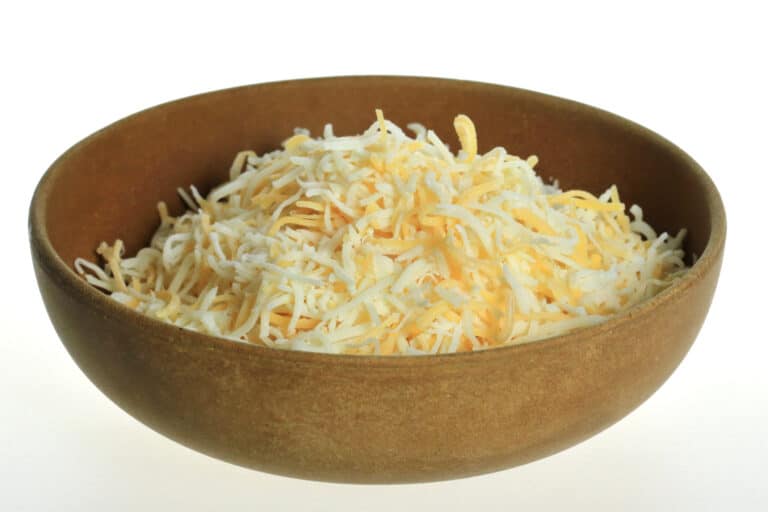
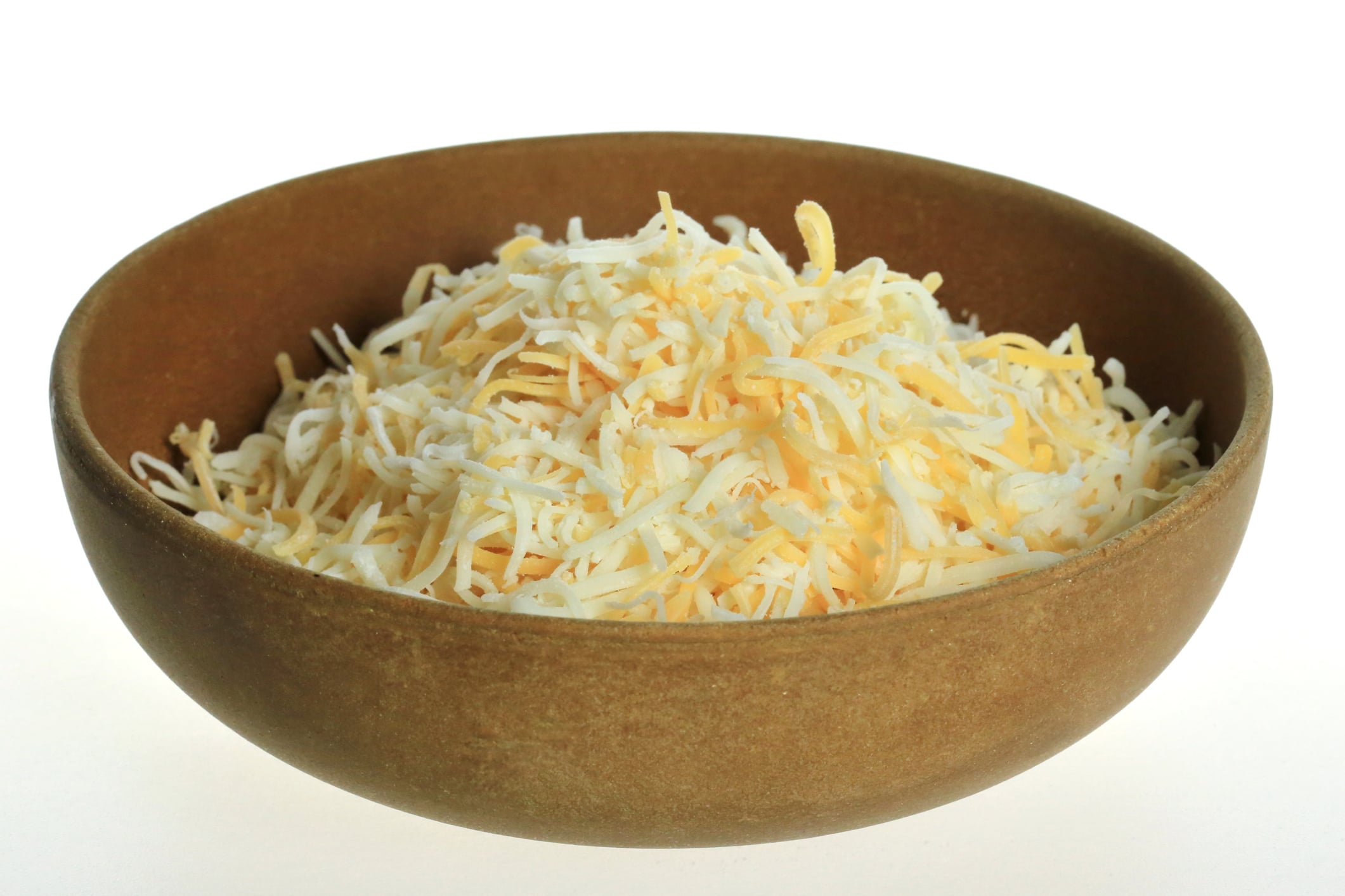
 If you’re a fan of cheese — shredded cheese, to be exact — like me, you may want to double-check your bags in the refrigerator before adding them to your favorite dish. It’s been reported that more than a million bags of cheese sold at popular stores like Walmart, Target and Aldi have been recalled for possibly containing metal pieces, according to a recently updated Food and Drug Administration (FDA) report.
Ohio-based Great Lakes Cheese Co. initiated the ongoing recall on Oct. 3, stating the affected cheese may be contaminated with metal fragments, which could cause injury if consumed.
The FDA reclassified the recall to a “Class II” on Dec. 1, according to an enforcement report, meaning the food “may cause temporary or medically reversible adverse health consequences.”
The FDA says they were distributed to 31 states — Alabama, Arizona, Arkansas, California, Colorado, Florida, Georgia, Idaho, Illinois, Indiana, Kansas, Kentucky, Louisiana, Minnesota, Mississippi, Missouri, Nebraska, Nevada, New Mexico, New York, North Carolina, Oklahoma, Oregon, Pennsylvania, South Carolina, Tennessee, Texas, Utah, Virginia, Washington and Wisconsin — as well as Puerto Rico.
The recalled bags, with varying sell-by dates in February and March 2026, include:
- Low-moisture, part-skim shredded mozzarella from the following brands: Always Save, Borden, Brookshire’s, Cache Valley Creamery, Chestnut Hill, Coburn Farms, Econo, Food Club, Food Lion, Gold Rush Creamery, Good & Gather, Great Lakes Cheese, Happy Farms by Aldi, H-E-B, Hill Country Fare, Know & Love, Laura Lynn, Lucerne Dairy Farms, Nu Farm, Publix, Schnuck’s, Simply Go, Sprouts Farmers Market, Stater Bros. Markets and Sunnyside Farms.
- Italian-style shredded cheese blend under these brand names: Brookshire’s, Cache Valley Creamery, Coburn Farms, Great Value, Happy Farms by Aldi, Know & Love, Laura Lynn, Publix and Simply Go.
- Shredded pizza-style cheese blend from Econo, Food Club, Great Value, Gold Rush Creamery, Laura Lynn and Simply Go.
- Mozzarella and provolone shredded cheese blend from Freedom’s Choice, Good & Gather, Great Lakes Cheese and Great Value, as well as a mozzarella and Parmesan blend from Good & Gather.
The full list of products is on the FDA’s website.
While this and other cheese recalls have been prevalent in the news lately, it has started more conversations online as to what is real cheese and what is not.
Here’s how to tell.
How to Spot Real Cheese vs. Fake Modified Cheese
1. Check the Ingredients List First
Real cheese should have very few ingredients:
- Milk (or specific type like cow’s, goat’s, sheep’s milk)
- Salt
- Enzymes/Rennet
- Bacterial cultures
Fake or processed cheese often includes:
- Vegetable oils (palm oil, soybean oil)
- Modified food starch
- Maltodextrin
- Artificial colors (annatto, Yellow #5/6)
- Emulsifiers (sodium phosphate, sodium citrate)
- “Cheese flavoring”
Here’s a clue: If there are more than 5–6 ingredients or chemicals you can’t pronounce, it’s probably processed.
2. Look at the Label Category
Real cheeses are labeled:
- Cheddar
- Gouda
- Parmesan
- Mozzarella
Processed products may be labeled:
- “Pasteurized Process Cheese Food”
- “Cheese Product”
- “Cheese Spread”
- “Imitation Cheese”
Here’s a clue: Legal terms like the ones above mean it doesn’t meet the standard to be called real cheese.
3. Check Moisture and Texture
Real cheese:
- Has natural texture: crumbly cheddar, stretchy mozzarella, grainy parmesan
- Melts unevenly with slight browning and oil release
Processed cheese:
- Melts into a uniform, glossy puddle (like American cheese slices)
- Smooth and rubbery when cold
- Doesn’t brown well
Here’s a clue: Test your cheese by first melting a slice — if it turns to goo without separating oils, it’s likely highly processed.
4. Price and Packaging Clues
If the cost is too cheap, fillers are probably used.
Block cheese is more often real than individually wrapped slices.
Vacuum-sealed, mass-branded slices are typically processed.
5. Shelf Stability
Real cheese:
- Needs refrigeration
- Can mold naturally over time
Fake cheese:
- Lasts months beyond typical expiration dates
- Rarely molds — it just dries out
6. Look for GMO Indicators
Cheese itself isn’t usually genetically modified — but add-ins can be:
- Soy or vegetable oils (likely GMO unless certified)
- Thickening agents like cornstarch
- Milk from cows fed GMO feed (unless labeled otherwise)
To reduce GMO exposure, look for certifications like:
- USDA Organic
- Non-GMO Project Verified
- “Grass-fed” or “Pasture-raised”
7. The Taste & Aroma Test
Real cheese:
- Stronger aroma, depth of flavor
- Varies by batch due to natural aging
Processed cheese:
- Mild or artificial cheese smell
- Texture and taste are always identical batch-to-batch
How to prevent metal shards from getting into your canned goods
It’s no wonder that some metal pieces end up in our food when big machinery is used to process the food. So here are some tips for anybody who eats tuna fish, canned vegetables or pretty much anything that comes in metal cans. Many times, there are metal scraps on the edges.
Taking a soft tissue and runing it along the edges you can see flakes. Those are real metal flakes. Over time, those may affect you.
So wiping the edges before eating the contents can cut down on any unnecessary metal.