
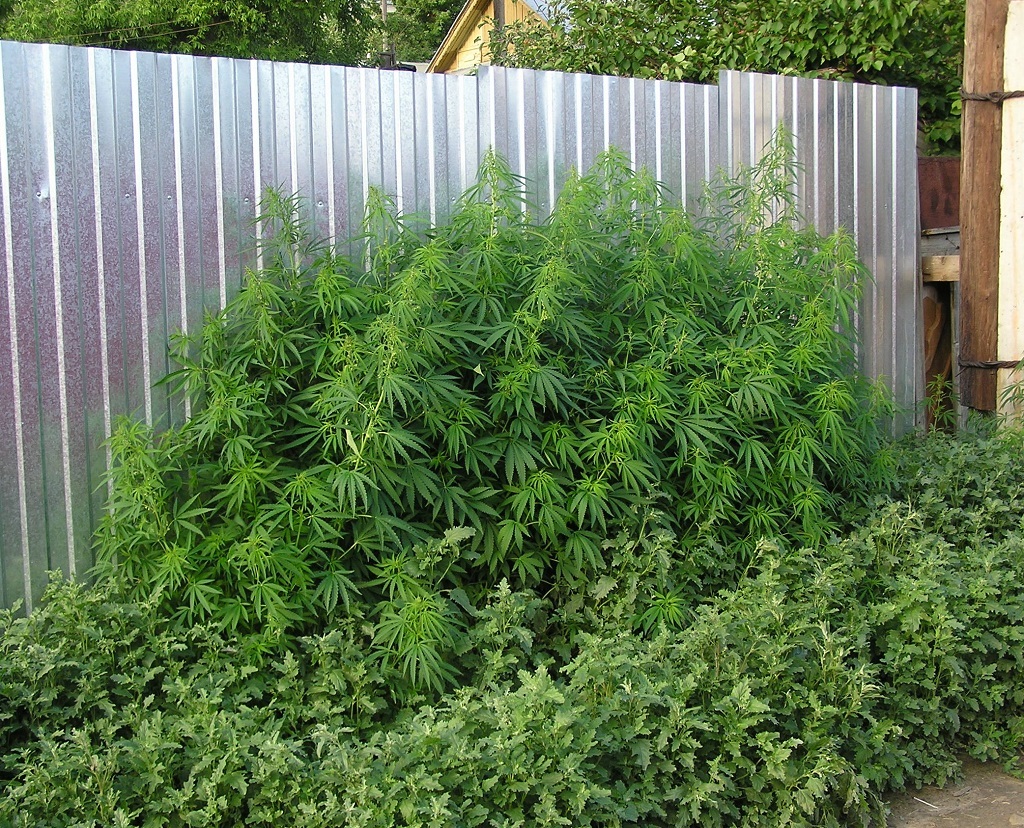
Korean Natural Farming (KNF), or Korean Natural Agriculture, is a cultivation method developed in South Korea by Cho Han-Kyu that relies on an idea as simple as it is profound: allowing nature to do its work with minimal human intervention. Instead of directly feeding the plant through fertilizers, KNF proposes activating the biological processes of the soil so that it provides the plant with everything it needs in a balanced and sustainable way.
In a context where cannabis cultivation has traditionally been closely linked to the intensive use of fertilizers (especially of mineral origin), KNF offers an attractive alternative for those seeking to reduce inputs, improve final quality and understand cultivation from a more biological perspective. Throughout this article we will see what this method actually consists of, what its agronomic foundations are and how it can be practically applied to cannabis cultivation, both in mother soil and in pots.
What does Korean Natural Farming consist of?
KNF is not a fertilization schedule, it is more a cultivation management philosophy based on observation and respect for natural processes. It starts from a fundamental premise: nutrients already exist in the soil and in the environment, but they are often not available to the plant due to physical, chemical or biological blockages.
For this reason, when talking about growing “without fertilizers” within KNF, it is worth clarifying the concept. It is not about the plant growing without nutrients, but about doing without industrial fertilizers and commercial feeds, trusting in the capacity of the soil and its microbiology to release and mobilize those nutrients progressively.

The goal of the KNF grower is not to force growth or maximize production in the short term, but to create a balanced and self-sufficient system that improves over time. As the soil gains life and stability, the crop becomes more resilient, predictable and easier to manage.
The importance of indigenous microorganisms
The central axis of KNF is the so-called indigenous or native microorganisms (IMO). These are bacteria, fungi and other beneficial microorganisms that are captured from the environment itself and reproduced for subsequent use in the soil.
The key to the method lies precisely in its local character. These microorganisms are already adapted to the climate, soil type and vegetation of the area, which allows them to colonize the substrate more easily than many commercial inoculants. Once established, they form stable communities that perform essential functions for soil fertility.
Thanks to their activity, organic matter decomposes efficiently, nutrients such as phosphorus, potassium or micronutrients that would otherwise remain blocked are released, and the physical structure of the soil is improved, favoring aeration and root development. In addition, a diverse microbiology acts as a first line of defense against pathogens, reducing the incidence of root diseases.
From this point of view, the grower’s role changes completely: they stop focusing on feeding the plant to start caring for the soil ecosystem, understanding that an active and balanced microbiology is the basis of healthy nutrition.

Natural ferments: activating processes, not replacing the soil
Alongside the work of microorganisms in the soil, KNF uses different fermented preparations made from simple and accessible ingredients. These preparations are not conceived as classic fertilizers, but as tools to stimulate biological processes.
One of the best known is FPJ (Fermented Plant Juice), made from vigorous growing plants harvested from the environment. This ferment provides sugars, enzymes and natural phytohormones that stimulate plant metabolism and microbial activity, without causing forced growth or imbalances.
FFJ (Fish Fermented Juice) is obtained through fish fermentation and is a concentrated source of organic nitrogen and amino acids. Its use is always very diluted and occasional, generally during the growth phase, when the plant needs greater nitrogen availability.
Finally, OHN (Oriental Herbal Nutrient) is made with medicinal plants such as garlic, ginger, cinnamon or licorice. Its main function is not nutritional, but preventive and strengthening, helping the plant resist diseases and stress situations.
Understanding these preparations as activators (and not as soil substitutes) is key to correctly applying the KNF method.
The soil as the protagonist of cultivation
In KNF, the soil is not a simple support for the roots, but the true engine of the system. A properly managed soil tends to self-regulate, maintaining a stable balance between air, water, organic matter and microbial life.
To favor this balance, aggressive practices such as deep tillage, the use of mineral fertilizers or forced pH corrections are avoided. Instead, a spongy structure, rich in organic matter and protected with plant residues or mulch is sought, which help conserve moisture and protect soil life.
In this sense, products such as organic mulch, natural straw, or even materials like coco fiber available at Alchimia can be used as surface cover to protect the soil and favor microbial activity, especially in outdoor crops or in large volume pots.
Over time, this approach not only improves nutrient availability, but also makes the system more tolerant of watering errors and small imbalances, something especially valuable in self-consumption crops.
KNF and Living Soil: two paths with the same destination
In cannabis cultivation it is common to compare KNF with Living Soil, as both approaches share a vision based on living soils and microbiology. However, there are important differences in how to reach that goal.
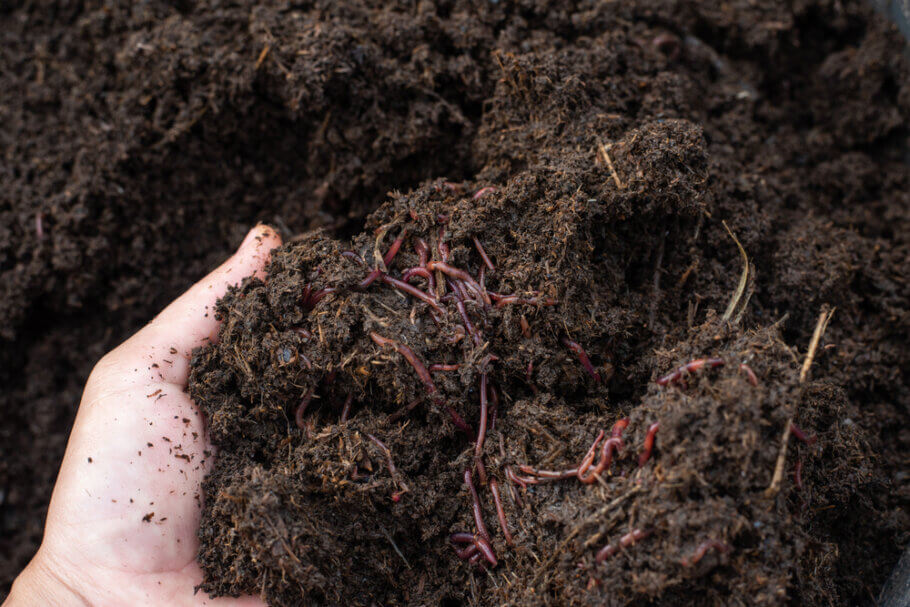
Living soil, what is it and how to prepare it?
Living soil is a cultivation system that has seen its number of fans multiply in recent years all over the world. In addition to being especially respectful of the environment by reducing the use of fertilizers and pesticides, this method offers you plants with top-level organoleptic properties. Today we will tell you what exactly living soil is and how you can prepare it and start enjoying its advantages.
Living Soil is usually built from very complete substrate mixes, enriched with compost, humus, organic meals and minerals from the beginning of cultivation. In this type of system, products such as worm castings, premium compost or ready-made Living Soil mixes available at Alchimia allow starting from a very rich and stable base.
KNF, on the other hand, adopts a more progressive and minimalist approach. It starts from the existing soil and focuses on activating and optimizing its biological processes, reducing solid amendments to a minimum and adjusting the system through ferments and local microorganisms. In this context, gentle microbial inoculants such as mycorrhizae or beneficial bacteria can be used as initial support, especially in pots, always without displacing the protagonism of native biology.
From a practical point of view, it could be said that Living Soil builds a complete soil from the start, while KNF regenerates and improves the soil over time. Both methods are not mutually exclusive and, in fact, can complement each other with very good results.
Application of KNF to cannabis cultivation: tips and products
Cannabis is a plant especially sensitive to nutritional imbalances, which explains why many growers find in KNF an interesting alternative to mineral systems. Although initial growth may be somewhat slower, plants usually develop more harmoniously and with fewer problems associated with salt excesses.
During the growth phase, KNF favors a healthy root system and a balanced plant structure. At this point, the use of quality organic substrates, as they provide a living and aerated base without an excessive nutritional load that interferes with microbiology.
To reinforce the biological activity of the soil, products such as worm castings from Alchimia or high quality organic composts fit very well with the KNF philosophy, always used in moderation and as support for microbial life, not as intensive fertilization.
In flowering, by avoiding nitrogen peaks and maintaining a biologically active soil, the plant usually better expresses its aromatic profile and genetic potential. In this context, organic flowering stimulators applied at gentle doses can be used as occasional supplements without breaking the system balance, especially in pot crops.
Many growers who combine the KNF approach with this type of organic products highlight cleaner taste, better combustion and an overall sensation of higher quality in the final product.
KNF in direct soil and in pots
KNF expresses itself more easily in direct soil, where microbial biodiversity is broader and the system is more stable, requiring less intervention from the grower.
In pots, the method is also perfectly viable, provided you start from a truly living substrate and a sufficient volume to maintain certain biological and water stability. In this context, watering becomes a key factor, as errors manifest more quickly. For this reason, KNF usually fits very well as a complement to a Living Soil type approach in containers.
Common mistakes when starting with KNF
One of the most common mistakes is expecting immediate results. KNF is a method that makes sense over time, as the soil regenerates and the microbiology stabilizes. It is also common to overdo it with ferments, forgetting that their function is to stimulate processes and not replace soil fertility.
Another common mistake is copying recipes without understanding the general concept. KNF requires observation, adaptation to the environment and a certain trust in the natural rhythms of cultivation.