
Crypto

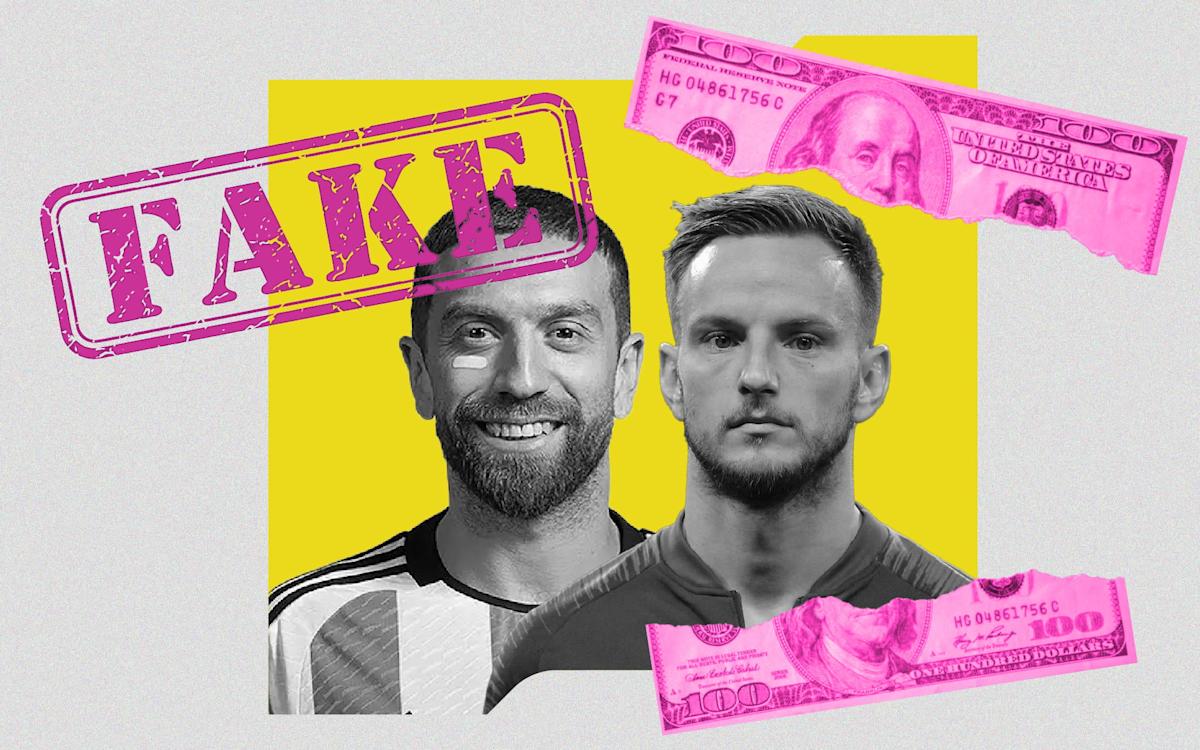
Soccer Stars Ivan Rakitić, Papu Gómez Tied to $28M Shirtum Crypto Scam — Investors Say They Were Sold ‘Fake NFTs’


Key Takeaways

  • Authorities have named ex-Sevilla stars, including Papu Gómez and Ivan Rakitić, in a €24 million ($28 million) crypto and NFT fraud probe.

  • Investors allege the scheme sold them non-existent NFTs and misled them into buying the $SHI token in a pump-and-dump.

  • A Barcelona court is now investigating the case, which reflects a broader pattern of celebrity-linked crypto controversies.

Invest in Gold

Powered by Money.com – Yahoo may earn commission from the links above.

A crypto project tied to some of soccer’s most recognizable names is now at the center of a growing fraud investigation in Spain.

Known as the “Shirtum case,” the scheme allegedly combined fake NFTs with a manipulated crypto token, leaving investors with losses that could exceed €24 million ($28 million).

A Barcelona court is now examining the project that the players marketed as a next-generation platform for soccer collectibles as a potential case of large-scale financial fraud.

The Shirtum Project and What Went Wrong

An expanded criminal complaint filed in Barcelona names six former Sevilla FC players—Papu Gómez, Lucas Ocampos, Ivan Rakitić, Nico Pareja, Alberto Moreno, and Javier Saviola.

Additional figures connected to the project include Diego Perotti and Marcelo Guedes, as well as promotional ties that extended beyond Spain.

The complaint states that 13 Spanish investors lost their entire investments after they bought into promises of exclusive NFTs and a digital platform that promoters never launched.

The project relied heavily on the players’ public profiles, using their likenesses and reputations to attract buyers.

Shirtum Europa, S.L.U., along with associated entities, marketed NFTs as unique digital trading cards linked to football moments.

The company sold the NFTs at around €450 ($526) each and presented them as blockchain-based assets.

Investigators allege that the NFTs did not exist in any functional sense.

Shirtum never properly minted the NFTs, leaving them non-transferable and without any verifiable presence on a blockchain.

SHI Token

Alongside the NFT offering, Shirtum introduced the SHI token, with a total supply of 1 billion.

According to the complaint, the company allocated approximately 78% of the supply to insiders at no cost.

Insiders then sold the tokens on PancakeSwap at inflated prices, while marketing activity drove demand.

In total, investors reportedly contributed around €3 million ($3.5 million) in BNB for platform development, in addition to nearly €1 million ($1.17 million) spent directly on NFTs.

The largest losses, estimated at more than €20 million ($23 million), are tied to the collapse of the SHI token following an investigation into what it describes as a coordinated pump-and-dump.

Investigators are now focusing on how funds moved after the initial capital was raised.

The court is currently reviewing financial records, wallet activity, and promotional materials to determine the extent of potential liability.

Authorities have not reported any arrests so far, and none of the individuals named in the complaint have issued public statements regarding the allegations.

A Wider Pattern of Celebrity-Linked Crypto Controversies

The Shirtum case is not an isolated incident.

Over the past few years, regulators and courts have dealt with a series of cases involving celebrities promoting crypto assets without adequate disclosure or oversight.

In the United States, the SEC charged Kim Kardashian in 2022 for promoting EthereumMax, citing a failure to disclose her compensation.

Other public figures, including Lindsay Lohan, Logan Paul, and Soulja Boy, have faced similar allegations tied to token promotions.

High-profile lawsuits have also targeted endorsements linked to NFT collections and crypto platforms, including cases involving Bored Ape Yacht Club promotions and the FTX collapse.

Athletes and entertainers have increasingly been drawn into these disputes, often because their public influence can drive retail participation in emerging—and sometimes poorly understood—digital asset projects.

What Happens Next

The Barcelona court’s investigation will focus on determining the roles of the individuals involved and whether the project’s structure meets the threshold for criminal fraud under Spanish law.

For investors, the outlook is uncertain.

With the SHI token effectively worthless and the platform never launched, recovering funds may prove difficult even if wrongdoing is established.

The case underscores a broader issue in the crypto market: the gap between marketing narratives and project fundamentals.

As regulators increase scrutiny of celebrity-backed crypto ventures, the Shirtum case could become a key reference point for how authorities handle these disputes and whether they enforce accountability.

For now, it serves as a reminder that visibility and credibility in traditional industries do not automatically translate into trustworthiness in digital assets.

Top Trending Crypto Articles

The post Soccer Stars Ivan Rakitić, Papu Gómez Tied to $28M Shirtum Crypto Scam — Investors Say They Were Sold ‘Fake NFTs’ appeared first on ccn.com.

Related Articles

Leave a Reply

Your email address will not be published. Required fields are marked *

Back to top button