
Key Takeaways
-
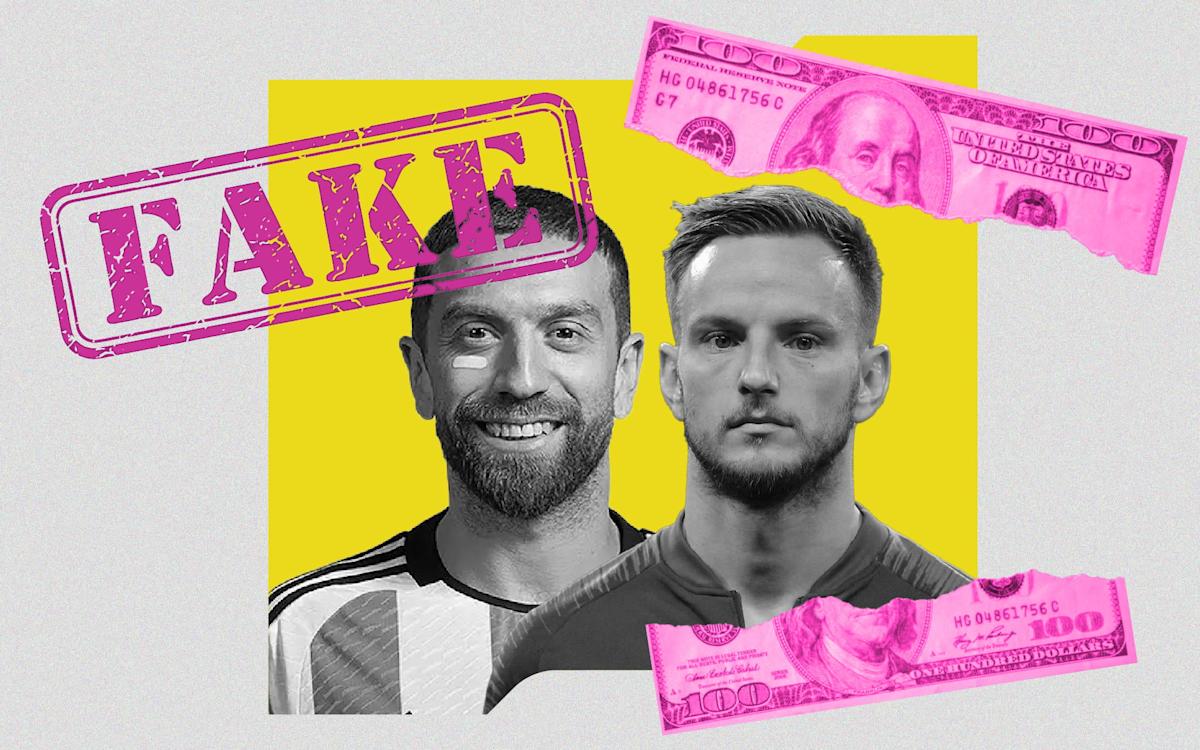
Authorities have named ex-Sevilla stars, including Papu Gómez and Ivan Rakitić, in a €24 million ($28 million) crypto and NFT fraud probe.
-
Investors allege the scheme sold them non-existent NFTs and misled them into buying the $SHI token in a pump-and-dump.
-
A Barcelona court is now investigating the case, which reflects a broader pattern of celebrity-linked crypto controversies.
Invest in Gold
A crypto project tied to some of soccer’s most recognizable names is now at the center of a growing fraud investigation in Spain.
Known as the “Shirtum case,” the scheme allegedly combined fake NFTs with a manipulated crypto token, leaving investors with losses that could exceed €24 million ($28 million).
A Barcelona court is now examining the project that the players marketed as a next-generation platform for soccer collectibles as a potential case of large-scale financial fraud.
The Shirtum Project and What Went Wrong
An expanded criminal complaint filed in Barcelona names six former Sevilla FC players—Papu Gómez, Lucas Ocampos, Ivan Rakitić, Nico Pareja, Alberto Moreno, and Javier Saviola.
Additional figures connected to the project include Diego Perotti and Marcelo Guedes, as well as promotional ties that extended beyond Spain.
The complaint states that 13 Spanish investors lost their entire investments after they bought into promises of exclusive NFTs and a digital platform that promoters never launched.
The project relied heavily on the players’ public profiles, using their likenesses and reputations to attract buyers.
Shirtum Europa, S.L.U., along with associated entities, marketed NFTs as unique digital trading cards linked to football moments.
The company sold the NFTs at around €450 ($526) each and presented them as blockchain-based assets.
Investigators allege that the NFTs did not exist in any functional sense.
Shirtum never properly minted the NFTs, leaving them non-transferable and without any verifiable presence on a blockchain.
SHI Token
Alongside the NFT offering, Shirtum introduced the SHI token, with a total supply of 1 billion.
According to the complaint, the company allocated approximately 78% of the supply to insiders at no cost.
Insiders then sold the tokens on PancakeSwap at inflated prices, while marketing activity drove demand.
In total, investors reportedly contributed around €3 million ($3.5 million) in BNB for platform development, in addition to nearly €1 million ($1.17 million) spent directly on NFTs.
The largest losses, estimated at more than €20 million ($23 million), are tied to the collapse of the SHI token following an investigation into what it describes as a coordinated pump-and-dump.