

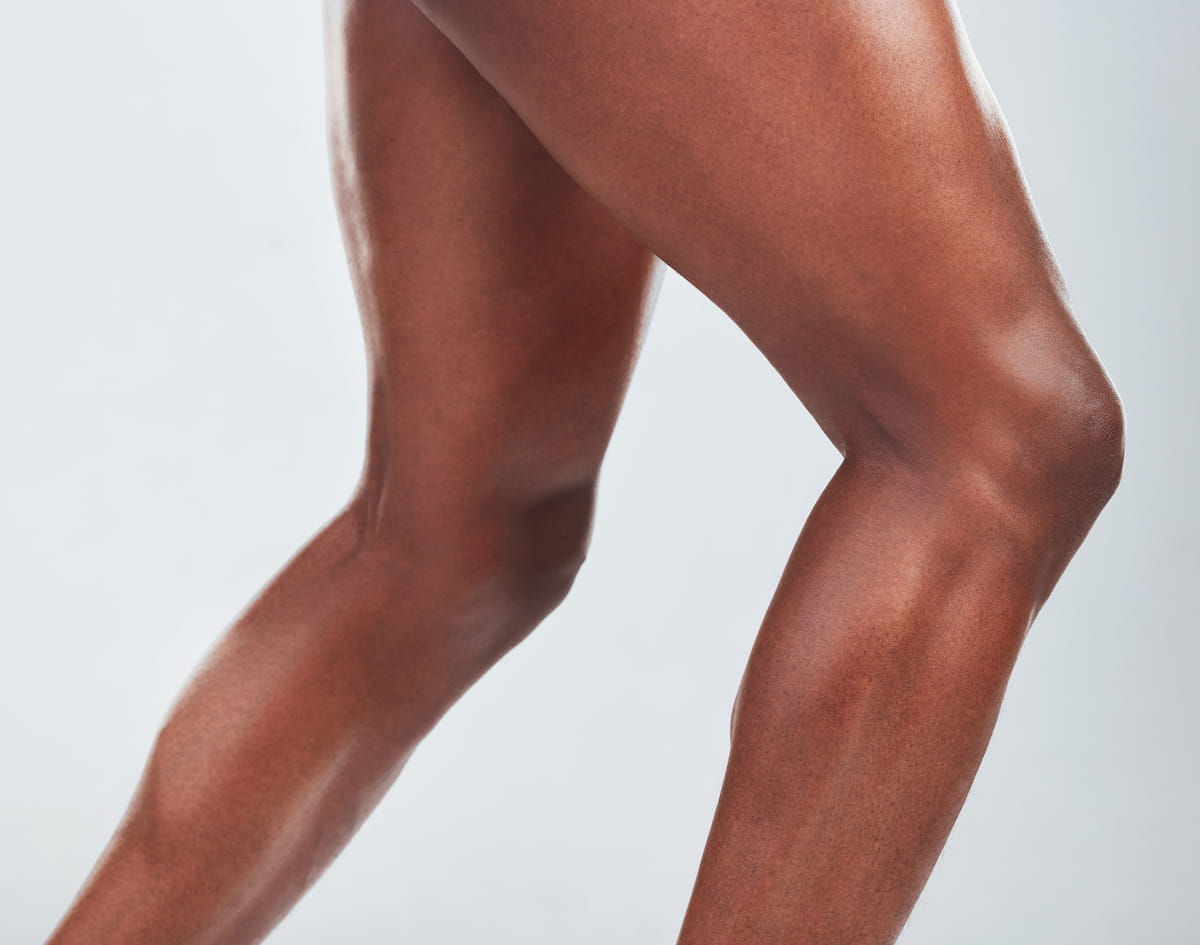
Your knees do a lot more work than most people realize. Every time you walk, climb stairs, squat down, or even stand up from the couch, your knees absorb pressure from your entire body. Over time, that wear and tear can add up—leading to stiffness, pain, swelling, and reduced mobility.
But aging does not automatically mean bad knees.
Who says you can’t have Meg the Stallion knees in your later years? If you do things right, you too can “drop it like its hot” well into your 60s.
As a matter of fact, many people in their 50s, 60s, 70s, and beyond maintain strong, flexible, pain-free knees by adopting the right habits early and staying consistent. The key is protecting the joint, strengthening the muscles around it, and reducing inflammation throughout the body.
Here are some of the best ways to maintain “young” knees as you age.
1. Keep Your Weight Under Control
One of the biggest enemies of healthy knees is excess body weight.
Research shows that for every extra pound you carry, your knees experience roughly four additional pounds of pressure when walking. That means even gaining 10 extra pounds can add about 40 pounds of stress to the knee joint.
Over time, that strain can wear down cartilage and increase the risk of osteoarthritis.
Even modest weight loss can make a major difference. Losing just 5% to 10% of your body weight may significantly reduce knee pain and improve mobility.
2. Strengthen the Muscles Around Your Knees
Strong muscles help take pressure off the knee joint itself.
The quadriceps, hamstrings, glutes, and calves all support knee stability and movement. Weak muscles force the knees to work harder, increasing the risk of pain and injury.
Some knee-friendly strengthening exercises include:
- Bodyweight squats
- Step-ups
- Wall sits
- Glute bridges
- Leg raises
- Resistance band exercises
The goal is not heavy lifting—it is consistency and joint support.
Experts often recommend strength training at least two to three times per week to preserve muscle mass and joint function with age.
3. Stretch More, and Then Stretch Again
Tight muscles can pull on the knees and change the way your joints move. To maintain healthy knees you have to stretch more than you think.
As people age, flexibility often decreases, especially in the hips, hamstrings, calves, and ankles. This can increase knee strain during everyday activities.
Simple stretches can help:
- Hamstring stretches
- Calf stretches
- Hip flexor stretches
- Gentle yoga
- Mobility drills
Maintain Good Flexibility and Mobility Habits
Stretching regularly may improve circulation, reduce stiffness, and help maintain range of motion.
4. Keep Moving—But Choose the Right Activities
Movement is medicine for the knees.
When you stay sedentary for too long, the muscles weaken and the joints stiffen. But not all exercise is equally knee-friendly.
Low-impact activities are usually best, including:
- Walking
- Swimming
- Cycling
- Elliptical training
- Water aerobics
These activities improve circulation and strengthen muscles without pounding the joints.
High-impact activities like excessive jumping or running on hard surfaces may worsen knee pain for some people—especially if there is already cartilage damage.

5. Don’t Ignore Your Knee Pain
Many people try to “push through” knee pain, but persistent pain is often the body’s warning sign.
Pain that lasts more than a few weeks, swelling, instability, or clicking that limits movement should be evaluated by a medical professional.
Common causes of knee pain include:
- Arthritis
- Tendonitis
- Meniscus tears
- Ligament injuries
- Overuse inflammation
Early treatment often prevents bigger problems later.
6. Eat Inflammation Food Fighters
What you eat can affect your joints.
Chronic inflammation may contribute to joint pain and cartilage breakdown. Anti-inflammatory foods may help support long-term knee health.
Some of the best foods for healthy joints include:
- Fatty fish like salmon
- Berries
- Leafy greens
- Olive oil
- Nuts and seeds
- Turmeric and ginger
- Beans
Don’t forget to drink.
Staying hydrated supports joint health and also helps lubricate joints and support cartilage health.
7. Wear the Right Shoes
Your feet and knees are closely connected.
Shoes with poor support can change your posture and walking pattern, placing more stress on the knees. Supportive footwear can improve alignment and reduce unnecessary joint strain.
Replacing worn-out athletic shoes regularly may also help reduce impact on the joints.
8. Protect Your Knees From Injury
A knee injury in your 20s or 30s can come back to haunt you decades later.
To protect your knees:
- Warm up before exercise
- Use proper form when lifting
- Avoid sudden increases in activity
- Strengthen supporting muscles
- Don’t ignore recovery time
Falls are another major concern as people age, so balance training becomes increasingly important.
9. Prioritize Recovery and Sleep
Your body repairs itself during rest.
Poor sleep has been linked to increased inflammation and greater pain sensitivity. Chronic lack of sleep may also slow tissue repair and recovery.
Aim for:
- 7–9 hours of sleep
- Recovery days between intense workouts
- Stress reduction practices like meditation or deep breathing
What You Knee’d to Remember (Pun Intended)
Healthy knees are not just about luck or genetics. Daily habits play a major role in how your joints age.
By staying active, maintaining strength and flexibility, managing inflammation, and protecting your joints from unnecessary stress, you can help your knees stay mobile and resilient for years to come.
The earlier you start taking care of your knees, the better chance you have of staying active, independent, and pain-free well into older age.