
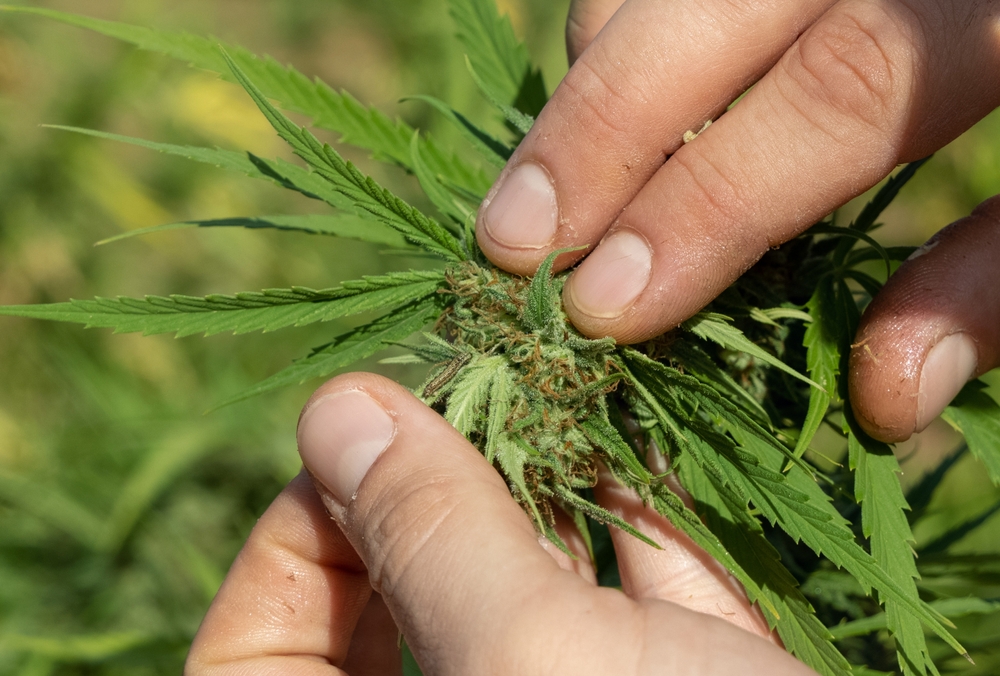
Outdoor cannabis cultivation offers some advantages that are difficult to match in other growing systems. Natural sunlight, ample space available for root development, and the possibility of obtaining large-sized specimens mean that thousands of growers choose to plant outdoors each season. However, this method also involves exposing plants to all the challenges posed by the natural environment, from sudden temperature changes to the appearance of insects and fungal diseases.
In countries like Germany, where summer rains, ambient humidity, and early autumns are a regular part of the climate, fungi and certain pests can become a recurring problem. Fortunately, most of these issues can be avoided if appropriate measures are taken from the start of cultivation.
One of the most common mistakes among novice growers is thinking that treatments should begin when the problem appears. In reality, prevention is the most effective tool for keeping plants healthy throughout the season. A properly planned cultivation, accompanied by some preventive applications and periodic observation, will greatly reduce the risk of losses during growth or flowering.
The importance of prevention outdoors
When a cannabis plant grows outdoors, it is in permanent contact with insects, fungal spores, wind, rain, and other environmental factors impossible to completely control. This means that the grower’s objective should not be to eliminate any potential threat, but to create conditions in which the plant can develop strongly and better resist problems.
Prevention allows anticipating risk situations. While an established pest usually requires several interventions to be controlled, preventing its appearance is much simpler. The same happens with fungi. Once diseases like botrytis colonize the buds, the options for action are very limited and the damage is irreversible.
For this reason, experienced growers usually dedicate more time to prevention than to curative treatments. A vigorous, well-nourished, and properly protected plant from the first weeks of life will have much greater chances of remaining healthy until harvest time.
Furthermore, prevention not only helps protect the final production, it also allows reducing plant stress throughout the cycle, promoting more uniform growth and higher quality flowering. In many cases, the difference between an excellent harvest and a simply acceptable one lies precisely in the grower’s ability to anticipate problems before they manifest.
The main enemies of outdoor cultivation
The most frequent pests and fungi vary according to region and climatic conditions, although there are some problems that appear regularly in much of Europe such as France, Germany, or Spain.
Among the most common insects we find aphids, thrips, and whitefly. All of them feed on the plant’s sap and can cause progressive loss of vigor if not detected in time; they are also virus vectors. On many occasions their presence goes unnoticed for weeks, especially when plants are still small and damage is barely visible.
Spider mites deserve special mention. Although technically they are mites, they are one of the most feared pests by growers due to their extraordinary reproductive capacity. During the warmest and driest periods of summer, they can multiply rapidly and cause significant damage to foliage, reducing the plant’s photosynthetic capacity and affecting its development.
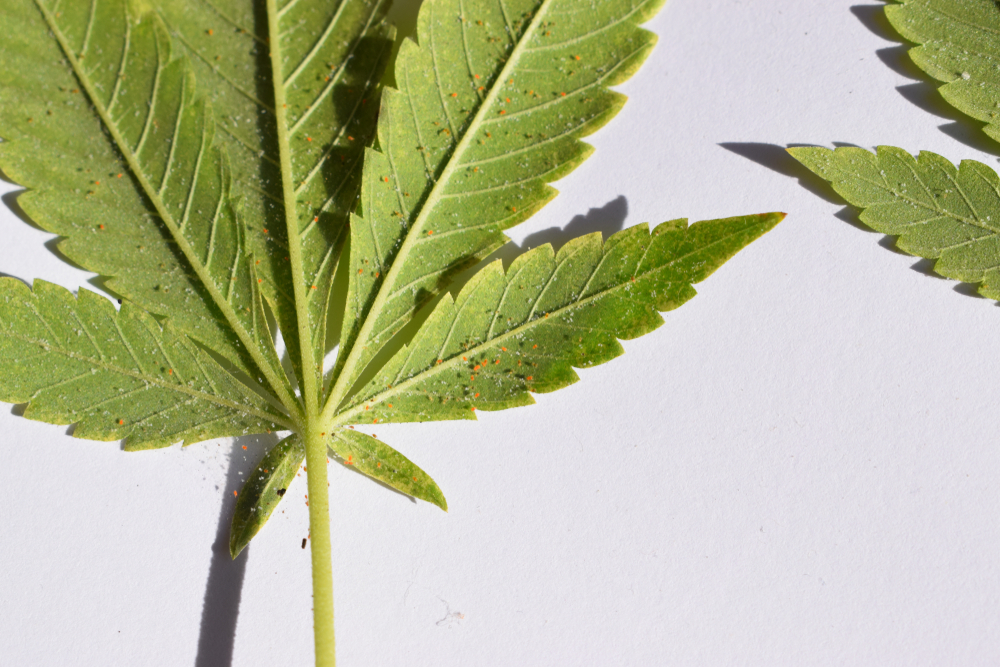
Spider mites are one of the worst pests that can attack marijuana plants. It can completely destroy cannabis crops, specially indoors. In this post we explain the environmental conditions that favour the plague of red spider mites. We also explain how to eradicate it from our crops in case that our plants have already been attacked, using either biological or chemical methods.
Caterpillars represent another important risk, especially during flowering. While feeding on flowers, they can open small wounds that subsequently facilitate the entry of fungi. In humid areas, this combination is usually the origin of numerous bud rot problems.
Regarding fungal diseases, powdery mildew and botrytis top the list of concerns for most outdoor growers. The former usually manifests as a characteristic whitish layer on leaves, while the latter directly attacks flowers and can destroy a considerable part of the harvest if environmental conditions are favorable. Botrytis is more difficult to detect if flowers are not checked regularly.
How pests and fungi appear
Although many people associate these problems solely with external factors, the reality is that pests and diseases usually take advantage of imbalance situations within the cultivation.
A plant subjected to constant stress will be much more vulnerable to any attack. Nutritional deficiencies, fertilizer excesses, watering problems, or a poorly developed root system can significantly reduce its natural defenses.
On the other hand, climate plays a fundamental role. Prolonged periods of humidity favor the development of numerous fungi, especially when they coincide with insufficient ventilation. Similarly, high temperatures and dry environments tend to benefit the proliferation of certain pests, such as spider mites.

It is also common for growers to plant too close together. Although at the beginning of the season there may seem to be enough space, plant growth ends up creating very dense areas where air barely circulates. These areas usually become true shelters for insects and pathogens.
Creating an unfavorable environment for problems
The best prevention begins long before applying any product. In fact, cultural measures often have a greater impact than many preventive treatments.
Choosing a sunny and well-ventilated location is one of the first aspects we must consider. Direct sun exposure helps quickly dry morning dew and hinders the development of numerous fungi. Proper air circulation also significantly reduces humidity accumulated between branches and flowers.
The quality of the substrate constitutes another key factor. A balanced and aerated growing medium favors the development of healthy roots and minimizes the risk of diseases associated with excess moisture. When the root system functions properly, the entire plant shows greater capacity to face adverse situations.
Nutrition also directly influences plant resistance; fertilizer excesses usually produce softer tissues more attractive to some insects, while balanced feeding favors more robust and healthy growth.
Selective pruning can also become a very effective preventive tool. Removing unproductive interior branches improves the plant’s overall ventilation and reduces points where humidity can accumulate for long periods.
Of course, no preventive measure replaces periodic observation. Regularly reviewing leaves, stems, and flowers allows detecting any anomaly in its initial phases, when it is still easy to control.
Beneficial microorganisms and auxiliary fauna: the grower’s invisible allies
In recent years, more and more growers have incorporated biological tools into their prevention programs. Far from acting only when a problem appears, these solutions seek to create a more balanced and resistant ecosystem against pests and diseases.
Among the most used microorganisms are mycorrhizae and various species of Trichoderma. Both organisms establish beneficial relationships with roots and contribute to improving the plant’s overall health. A vigorous root system allows more efficient absorption of water and nutrients, favoring balanced growth and greater capacity to withstand stress situations.
Mycorrhizae form a network of microscopic filaments that considerably expands the absorption surface of roots. Thanks to this symbiosis, the plant can access resources that would otherwise be more difficult to exploit. The result usually translates into more robust specimens better prepared to face adverse environmental conditions.
For its part, Trichoderma acts as a true natural competitor against various pathogens present in the soil. Its presence helps limit the development of certain harmful fungi and contributes to maintaining more balanced root microbiology.
Biological prevention can also extend to the aerial part of the plant through the use of auxiliary fauna. Ladybugs, lacewings, and other predatory insects can help keep certain pest populations under control without constantly resorting to treatments. Although it is not always essential to introduce these organisms in a controlled manner, promoting environmental biodiversity usually favors the natural balance of cultivation.
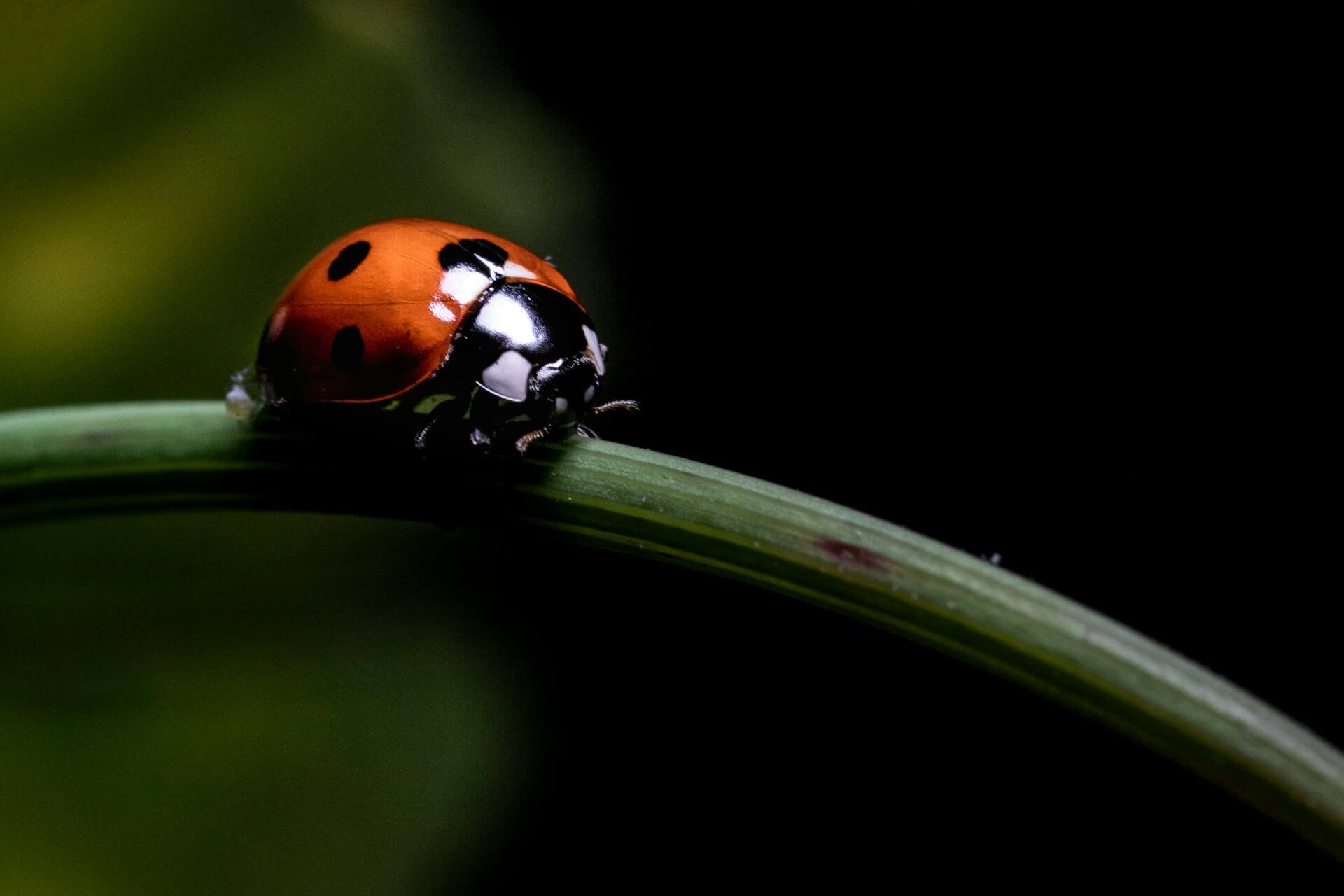
Biological control in cannabis cultivation
Pests in cannabis crops can become a real torment if you do not prevent and treat them in time and effectively. As you surely know, there are dozens of insecticides and fungicides that you can use, from biological to chemical synthesis, although today we propose an equally effective alternative that will take care of the environment: biological control. Keep reading and we will tell you all about it!
This approach is especially interesting for those seeking to minimize interventions and promote more sustainable cultivation. Instead of continuously fighting each problem that appears, the objective is to create an ecosystem capable of self-regulating naturally.
Preventive products that can help us
Although good cultivation practices are fundamental, there are various products that can reinforce the preventive strategy and offer additional protection against pests and diseases:
One of the best known is neem oil. Used for decades in organic agriculture, this plant extract helps reduce the pressure of numerous pests and is usually used during the vegetative phases of cultivation. Its popularity is largely due to its versatility and compatibility with environmentally friendly cultivation programs.
Potassium soap is usually used as a complement to neem and allows keeping the foliar surface clean, in addition to hindering the establishment of certain insects. The combination of both products continues to be one of the most used preventive strategies by growers worldwide.
Protection against caterpillars? Bacillus thuringiensis is one of the most effective biological solutions. Its preventive use during the weeks prior to flowering (from mid-May onwards) can avoid numerous problems related to internal bud damage.
Root system protection should not be overlooked either. In this regard, products based on Trichoderma and mycorrhizae are regular allies for many growers. These beneficial microorganisms help create a healthier root environment that is more competitive against various pathogens present in the soil.
For the prevention of fungal diseases, horsetail: its silica content contributes to strengthening plant tissues and can be part of particularly interesting preventive programs in humid regions.
Another product that has gained popularity in recent years is propolis. This substance made by bees has very interesting properties for reinforcing the natural defenses of plants and complementing preventive strategies against different diseases.
We should also mention diatomaceous earth, a magnificent ally on the soil surface or dusted over plants.
Prevention during flowering
The arrival of flowering represents a significant change in the cultivation protection strategy. During this stage, plants begin to develop denser and more complex structures, which increases the risk of moisture accumulation in certain areas.
Furthermore, many products used during growth are no longer recommended when buds begin to develop. For this reason, it is so important to have carried out good prevention during previous phases, since at the beginning of flowering plants must arrive with excellent plant health.
As flowering progresses, vigilance must intensify. After rain episodes, it is advisable to carefully check the most compact flowers to detect any signs of rot. Likewise, the interior areas of the plant usually require special attention, as they receive less ventilation and take longer to dry. In these cases, the use of Botrytprot and Oidioprot are fully recommended and respectful.

In countries with humid autumn, many growers consider this final phase the most delicate of the entire season. Early intervention can make the difference between losing several buds or saving most of the harvest.
It is also important to remember that plants tend to become more sensitive as harvest approaches. Any wound caused by insects, hail, or handling can become an entry point for opportunistic pathogens. Therefore, during the final weeks, it is advisable to minimize stress and handle flowers only when necessary.