
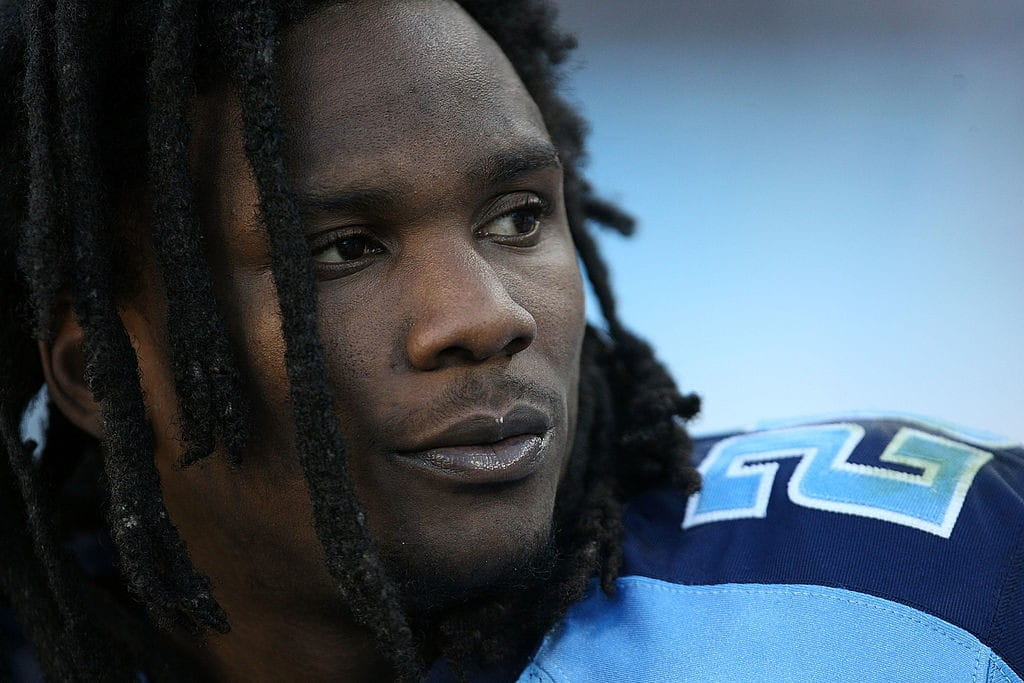
Former NFL superstar and three-time Pro Bowl running back Chris Johnson has revealed that he is living with Amyotrophic Lateral Sclerosis (ALS), the devastating neurological disease often referred to as Lou Gehrig’s disease. The former rushing champion shared his diagnosis publicly for the first time during an emotional interview on Good Morning America with fellow former NFL player Michael Strahan.
Johnson, who became one of only a handful of players in NFL history to rush for more than 2,000 yards in a single season, said he was diagnosed last year after noticing something wasn’t right with his body. The first sign was subtle but concerning: weakness in his right hand and a grip that simply “didn’t feel right.”
“There’s no history of ALS in my family,” Johnson explained. “My doctors believe my case is what’s called sporadic ALS.” He added that this reality makes the disease especially frightening because “it can happen to someone who never expected it.”
The disease has progressed rapidly. Johnson now uses a speech-generating device to communicate and says tasks many people take for granted have become difficult.
“First, I want people to know that I’m still me,” Johnson shared during the interview, emphasizing that while ALS has changed his physical abilities, it has not changed who he is as a husband, father, or person.
Despite the diagnosis, Johnson remains determined.
“You can give up, or you can fight,” he said, choosing to continue battling the disease while raising awareness for others facing the same diagnosis.
Why Chris Johnson’s Participation in Clinical Trials Matters for Black Communities
Johnson is currently participating in a clinical trial, a decision that could help not only his own future but the future of ALS treatment for everyone.
His participation is particularly important for Black Americans.
Historically, Black patients have been significantly underrepresented in clinical trials for ALS and many other diseases. When clinical trials lack diversity, researchers may miss important differences in how diseases develop or how treatments work across populations.
Studies have found that Black ALS patients often experience:
- Longer delays before receiving an accurate diagnosis
- More severe symptoms by the time they reach specialists
- Lower participation rates in research studies and clinical trials
- Reduced access to experimental therapies and emerging treatments
By participating in research, Johnson is helping ensure future ALS treatments are tested in populations that better reflect the people who will ultimately use them.
What Causes ALS?
Chris’ wife, Brittany, initially suspected the symptoms were related to the wear and tear of his time in the NFL. “I thought because of football and his career that it has to be something with that,” she said. “Maybe a pinched nerve or something along those lines, but never ALS.”
Scientists still do not know exactly what causes ALS.
Approximately 90% of cases are classified as sporadic ALS, meaning they occur without any family history or known genetic cause — exactly the type of ALS Johnson has been diagnosed with. The remaining 10% are inherited through genetic mutations.
Researchers believe ALS may result from a combination of factors, including:
- Genetic mutations
- Environmental toxin exposure
- Chronic inflammation
- Oxidative stress damaging nerve cells
- Immune system dysfunction
- Repetitive head trauma or brain injuries
- Military service-related environmental exposures
Some research has also examined whether repeated head impacts experienced in contact sports could contribute to increased risk, although scientists have not established a direct cause-and-effect relationship.
Early ALS Symptoms Many People Miss
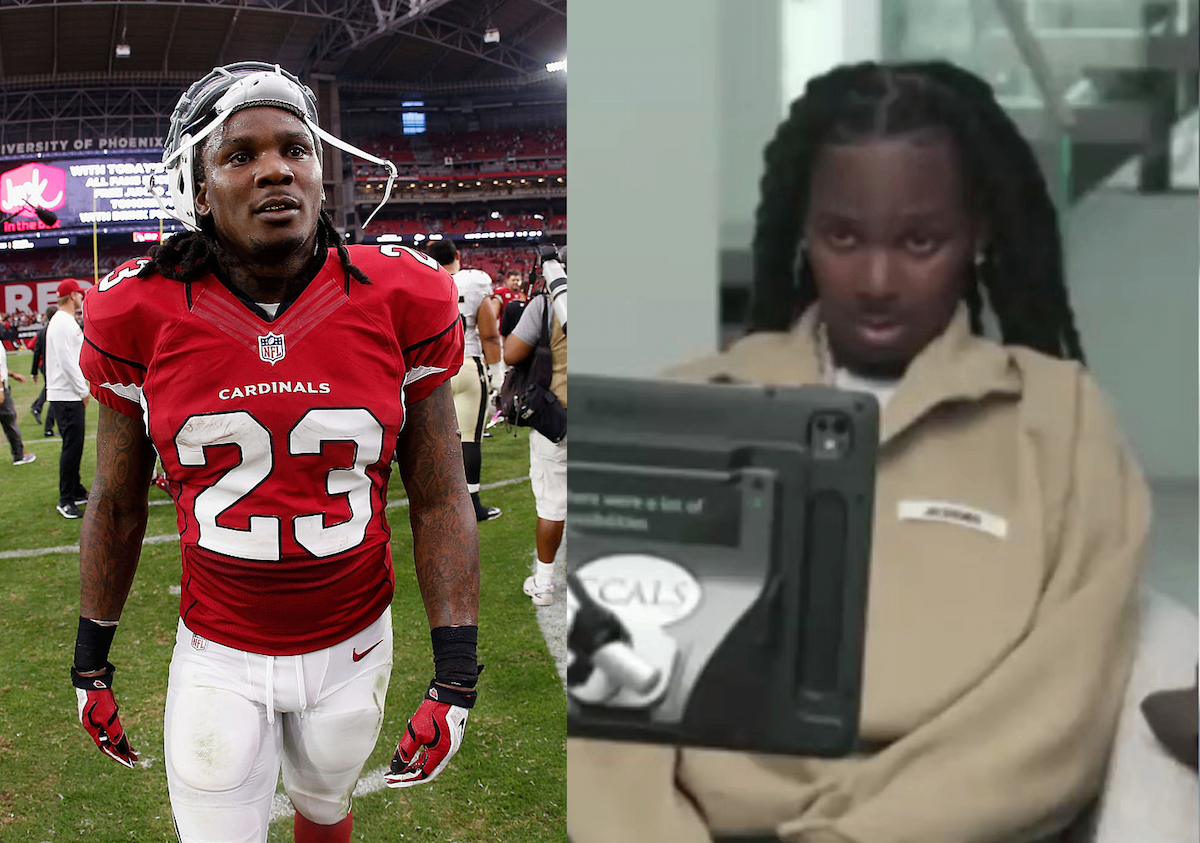
In the year since Chris’ diagnosis, the disease has progressed so rapidly that he now uses a speech-generating device controlled by his eyes to communicate. Before he lost his ability to speak, doctors recorded his voice, allowing the device to sound like him.
“It’s continued to progress much faster than I ever imagined,” he said. “I want people to understand just how quickly ALS can attack your body. Just over a year ago I was picking up my 7-year-old daughter so she could make a wish with her birthday cake. Today, I couldn’t do that.”
Most people associate ALS with paralysis or loss of speech, but the earliest signs are often much more subtle.
Symptoms that may go unnoticed include:
- Weak grip strength
- Frequent dropping of objects
- Muscle twitching or cramps
- Changes in handwriting
- Tripping more often than usual
- Trouble buttoning clothes
- Slurred speech that comes and goes
- Difficulty swallowing certain foods
- Unexplained fatigue
- Shortness of breath during normal activities
Because symptoms often begin gradually and can mimic aging, arthritis, or overuse injuries, many people delay seeking medical care.
Treatments Currently Available for ALS
There is currently no cure for ALS, but several treatments can help slow progression and improve quality of life.
Current treatment options include:
FDA-Approved Medications
- Riluzole — helps slow disease progression and may extend survival.
- Radicava — may help slow physical decline in some patients.
- Qalsody — approved for certain inherited forms of ALS caused by SOD1 gene mutations.
Supportive Therapies
- Physical therapy
- Occupational therapy
- Speech therapy
- Nutritional counseling
- Respiratory support devices
- Communication technology such as speech-generating devices
Clinical Trials
Experimental medications, stem cell therapies, gene therapies, and immune-targeting treatments are currently being studied in ongoing clinical trials around the world. Participation in these studies is helping researchers move closer to better treatments — and eventually, a cure.
For Johnson, the mission is now bigger than football.
The man once known as “CJ2K” for his blazing speed is using his platform to bring attention to a disease that affects thousands of families each year and to remind others facing ALS that while the disease may change the body, it does not define the person living with it.
What’s Next for Chris?
Chris Johnson added that his wife and their children have kept him going through the medical obstacles since his diagnosis.
“She hasn’t left my side through any of this,” he said of Brittany. “My kids are also a huge part of why I keep going. Every day I wake up wanting more time with them to make more memories and just be their dad. They give me a reason to keep fighting.”
And for Brittany Johnson, though caregiving is “tough,” she said she doesn’t doubt supporting her husband through it all.
“Our life has shifted so much. It’s a heavy workload,” she said. “But I have no doubt that this is what, you know, I was called to do.”