

It’s that time of year again. Your child has likely already returned to school or will be returning soon, and one part of this season that many parents dread is their child coming into close contact with dozens of other children. With more kids together in classrooms, cafeterias, playgrounds and school buses, there are also more opportunities for germs to spread.
“Classrooms, cafeterias, playgrounds and school buses can quickly become hotspots for viruses and bacteria to spread,” Dr. Jen Caudle, a board-certified family medicine physician, tells BlackDoctor. “Additionally, frequently touched surfaces such as shared school supplies, desks, doorknobs and more can harbor tons of germs during the back-to-school transition, especially if they are not wiped down regularly.”
So, what can you do to help combat the spread of germs?
When working with her patients, Dr. Caudle often reminds parents that the transition from summer schedules to a new school year can disrupt children’s routines. Your child may be adjusting to new sleep patterns, busier schedules and different daily habits, which can affect their overall health and well-being.
There isn’t a single strategy that is more effective than another when it comes to reducing the spread of germs at home. Instead, a combination of healthy habits can make a meaningful difference.
The first step you can take is to encourage your kids to build healthy habits that will stick with them throughout the entire school year. This can give you some peace of mind while also helping your child adjust to waking up early, going to school and managing a new routine.
Below are a few of Dr. Caudle’s go-to healthy habit tips that anyone can use to prioritize their health this school year.
RELATED: Back-to-School Vaccines Made Simple: A Checklist by Age
1. Disinfect High-Touch Surfaces Regularly
Regularly disinfecting high-touch surfaces around your home can also help reduce the spread of germs. This includes light switches, doorknobs, kitchen counters and other frequently touched areas.
“My favorite quick and convenient option is using Clorox Disinfecting Wipes as my go-to product for wiping down high-touch surfaces. The wipes deliver powerful, effortless results without added time or worry, making it the easy choice when families need it most,” Dr. Caudle says.
2. Make Cleaning Part of Your Everyday Routine
If you’re a busy parent, keeping your home clean during the back-to-school season doesn’t have to be overwhelming.
“The key is finding simple solutions that fit seamlessly into your daily routine. Rather than creating elaborate cleaning routines, focus on quick, consistent habits such as wiping down kitchen counters, doorknobs, electronics and other high-touch surfaces regularly throughout the week,” Dr. Caudle adds.
One of the easiest ways to stay on top of disinfecting is to tackle it in small moments throughout the day. For example, you can quickly wipe down the kitchen counter after breakfast, once around lunchtime, and again after dinner to help disinfect frequently used surfaces regularly.
“As time goes on, this should turn into second nature and be one of the easier parts of your parenting routine,” Dr. Caudle shares.
RELATED: 5 Ways To Help Your Child Make The Back-To-School Transition
3. Don’t Forget the High-Touch Items You Use Every Day
Areas like bathroom counters and kitchen surfaces often make the cleaning checklist, but don’t neglect everyday high-touch items that are easy to overlook, especially during the busy back-to-school season.
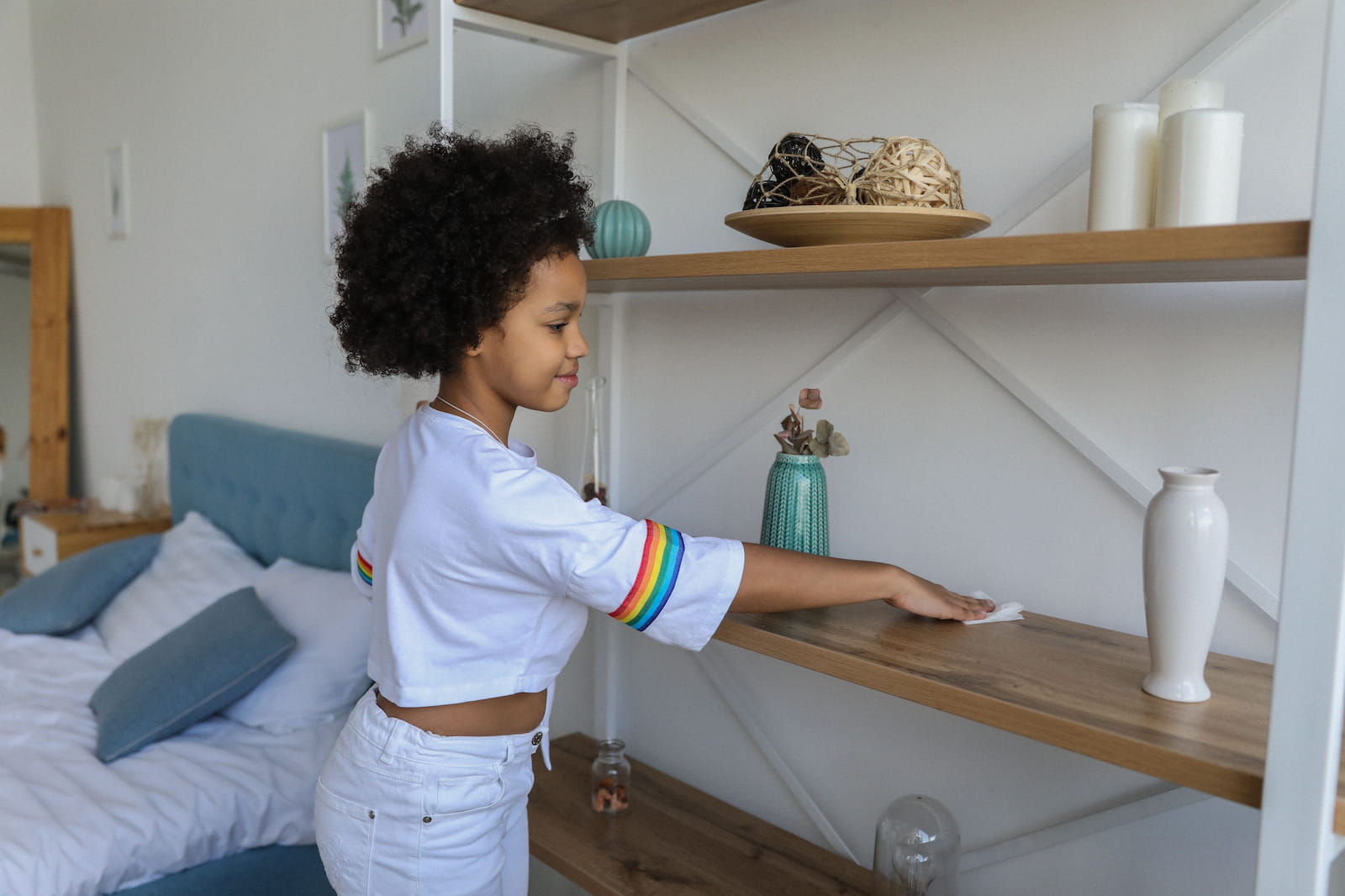
“I encourage families to pay attention to doorknobs, light switches, refrigerator handles, remote controls, phones and tablets, computer keyboards, reusable water bottles, as well as steering wheels and car-door handles,” Dr. Caudle says. “Since these surfaces are touched repeatedly by lots of people throughout the day, regularly cleaning and disinfecting them can help reduce the spread of germs at home and at school.”
Taking a few extra minutes to clean these items regularly can make disinfecting feel much more manageable.
4. Make Handwashing a Family Habit
Keeping kids healthy requires a whole-family approach. Cleaning and disinfecting are helpful tools, but they work best alongside healthy daily habits.
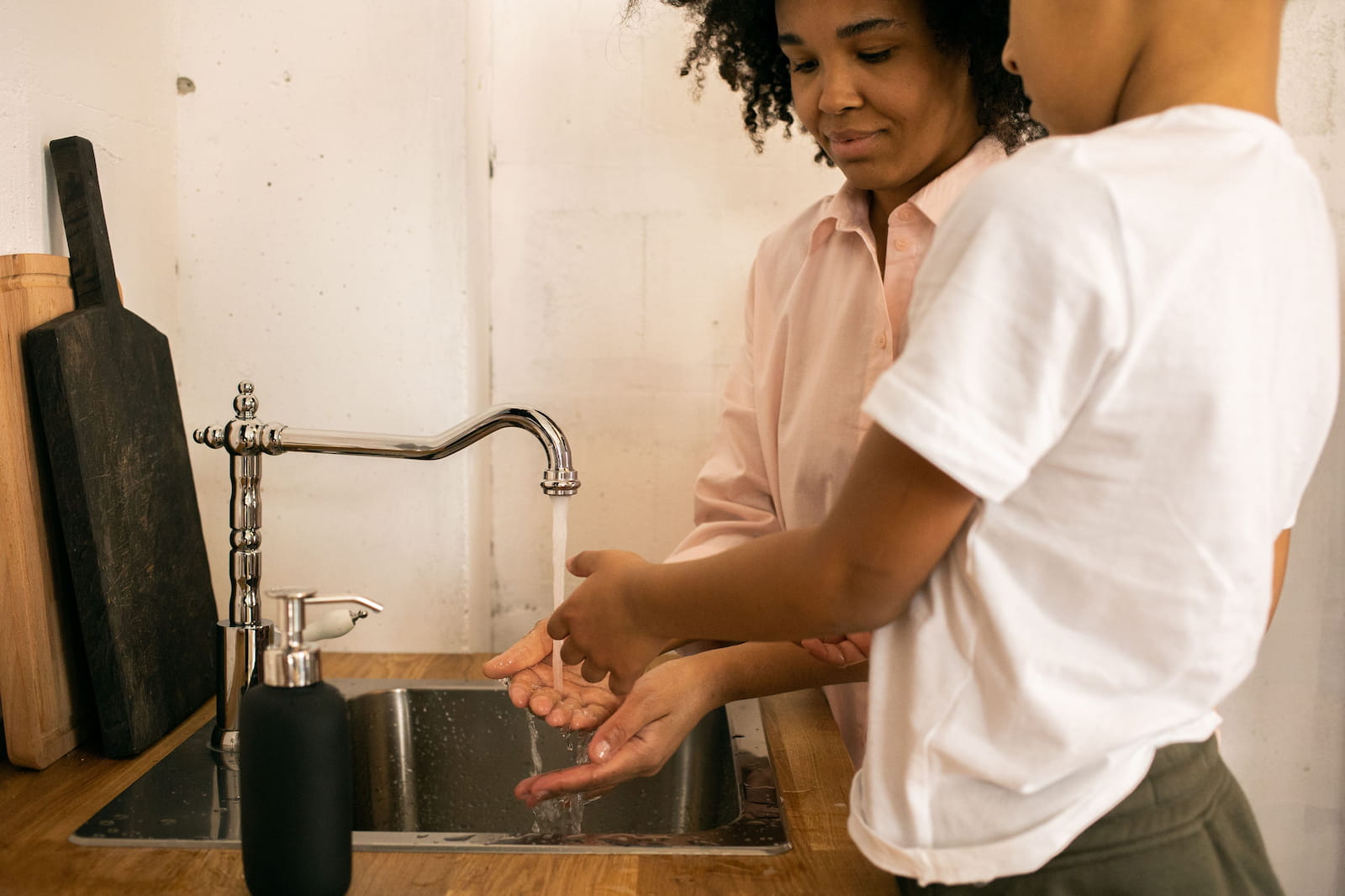
Proper handwashing with soap and water remains one of the most important ways to reduce the spread of germs. Children should wash their hands for about 20 seconds. Dr. Caudle recommends singing the “Happy Birthday” song twice.
Encourage children to wash their hands before eating, after using the bathroom, after coughing or sneezing, and after touching shared surfaces.
Dr. Caudle also recommends making handwashing a non-negotiable family routine when children arrive home from school.
“Before snacks, homework, or playing with siblings, encourage everyone to wash their hands with soap and water,” she adds.
5. Keep Up With Sleep, Nutrition and Physical Activity
Handwashing and cleaning aren’t the only ways to support your child’s health during the school year. Getting enough sleep, eating a balanced diet and staying active are also important parts of a healthy routine.
- Sleep: Adequate sleep supports a child’s overall health and immune function. Consistent bedtime routines can make a meaningful difference, particularly when school schedules become busy.
- Nutrition: A balanced diet with fruits, vegetables, whole grains, protein and adequate hydration helps support overall wellness.
- Physical activity: Regular movement supports physical and mental health, improves sleep, and helps children manage stress.
6. Know What to Do When Your Child Gets Sick
Unfortunately, illnesses can’t always be prevented, especially when your child spends time in close spaces with other children.
If your child does get sick, you can help reduce the spread of germs by limiting close contact where possible and establishing a few practical boundaries at home.
“Have the sick child rest in a separate area, if feasible, and avoid sharing cups, utensils, towels, pillows, and electronics,” Dr. Caudle advises. “Encourage everyone in the household to wash their hands frequently – especially after caring for the sick child or handling used tissues, dishes, or laundry.”
It can also help to continue disinfecting frequently touched surfaces while your child is sick and remind other family members to practice good hand hygiene.
7. Put Together a Back-to-School Wellness Kit
Putting together a back-to-school wellness kit can also help you prepare for cold and flu season.
Having a few essentials on hand can help you feel more prepared for busy school days, unexpected messes and minor health needs. Here’s what Dr. Caudle recommends:
- Disinfecting wipes
- A first-aid kit
- Tissues
- A healthy snack, such as a granola bar or crackers
- A reusable water bottle
Cleaning, Sanitizing and Disinfecting: What’s the Difference?
There are a few key differences between cleaning, sanitizing and disinfecting, and knowing when each method should be used can help you decide what your home needs.
According to Dr. Caudle:
- Cleaning removes dust, debris and dirt from a surface by washing, scrubbing or rinsing. This method should be used to keep the home generally tidy and to remove dirt and crumbs.
- Sanitizing means that germs are lowered to a safe level on a particular surface. This can be done by cleaning, disinfecting or both.
- Disinfecting destroys or inactivates the bacteria and viruses identified on the product’s label, such as influenza and rhinovirus, on hard, nonporous surfaces.
Back-to-school season can be hectic enough without adding a complicated cleaning routine to your to-do list. The good news is that protecting your family from germs doesn’t have to mean keeping your home spotless around the clock.
Instead, focus on simple habits that your entire family can follow consistently. Encourage your children to wash their hands, get enough sleep, eat nutritious meals, stay active and avoid sharing personal items. At home, regularly clean and disinfect frequently touched surfaces, and have a plan for what to do if someone gets sick.
The goal isn’t to prevent every single germ from entering your home. That simply isn’t realistic. Rather, by making healthy habits part of your family’s everyday routine, you can take practical steps to help keep everyone healthier throughout the school year.