
Kidneys are hard workers; they don’t go on “leave.” For 24 hours a day (and seven days a week), they are engrossed in filtering toxins and waste from your blood.
Therefore, kidney failure can be catastrophic. While dialysis helps reduce the accumulation of such extra fluid, salt, and waste from the body when the kidneys malfunction, there is only so much dialysis you can do if you don’t consciously regulate what you ingest.
So what shouldn’t you eat when you are on dialysis?
1. Sorry, no more whole-wheat bread

If you are struggling with kidney failure, then you should stay off whole-wheat bread. Of course, we know how nourishing whole bread is (especially when its enviable fiber content is measured against refined bread). But we also know the substantial amount of potassium and phosphorus whole wheat bread contains.
For context, just one slice of whole bread (32 grams) contains over 81 mg of potassium and nearly 68 mg of phosphorus, according to the U.S. Department of Agriculture (USDA). Such elevated potassium and phosphorus levels can be attributed to increased whole-grain and bran intake.
RELATED: Top Tips For Living Well When You’re On Dialysis
With failing kidneys, the last thing your body needs is an exorbitant intake of phosphorus and potassium. This is because your kidneys are too handicapped to eliminate extra potassium from your body.
Accumulation of this undissipated potassium can cause hyperkalemia (elevated potassium levels in the blood). This can result in fatal heart attacks.
If you find whole wheat too endearing to give up entirely, then you have to reduce your intake significantly. Taking one slice per serving would do.
2. Oops, you may have to give up your beloved avocados
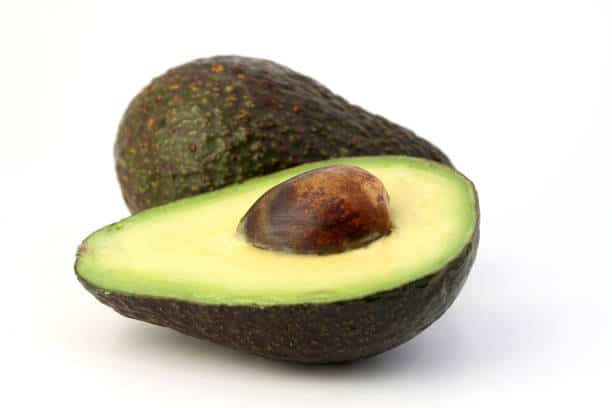
Yes, I can relate to how hard this request is. Avocados are delicious, aren’t they, especially when garnished with pepper and salt?
But your body needs you to eliminate avocados from your meals – despite their luxurious composition of antioxidants – when you are on dialysis.
Avocados are heaped with potassium. What if I told you a regular-sized avocado contains 507 mg of potassium? As we said, high potassium intake is bad news for your dialysis therapy.
If the thought of “divorcing” your beloved avocados sounds too scary to you, you could substantially shrink the amount you eat. So instead of eating a whole avocado, you can reduce it to a one-fourth serving.
3. Canned foods are not that friendly

We all shamelessly love the convenience of canned foods. No kitchen rigors, just straight to the eating party!
However, we must not ignore the prevalence of heightened sodium levels in canned foods. Typically, canned foods use salt as a preservative to extend their shelf life.
Your body doesn’t need such increased sodium content if you are on dialysis. If you must go with canned foods, you would need to take the extra step of rinsing them (especially tuna and canned beans) before eating.
This activity can amazingly slash the sodium content of your canned food by up to 80 percent! Alternatively, you may narrow your canned food purchases to the “no-salt” labels.
RELATED: Q&A: Are There Alternatives To Dialysis?
4. Orange juice (and oranges) would leave the food menu

Orange’s incredible wealth of vitamin C is a potent disguise for the whopping amounts of potassium it equally contains. Certainly, just one cup of orange juice could load you with as much as 473mg of potassium!
How about oranges? No less guilty. One big orange (typical of 184-gram oranges) contains a hefty 333 mg of potassium.
This, as you see, is not advisable for people struggling with kidney issues. The good news is that there are yummy alternatives to oranges that are nutritionally compatible with people on renal diets.
Other fruits like cranberries, apples, and grapes can deputize for oranges, given their relatively reduced potassium content.
5. Dark-colored soda? NO NO!

There are so many things wrong with sodas if your kidneys are not the healthiest. Which should we mention? Is it the heightened sugar levels of soda or the elevated calorie content? How about the stacks of additives heaped on dark-colored sodas?
While we have been a bit lenient with previous listings (recommending reduced intake at most), dark soda is strictly prohibited if you are on dialysis. It is disheartening that a typical 200ml serving of dark soda could contain up to 100mg of phosphorus.
It is no secret that manufacturers love adding phosphorus to dark-colored soda not only to enhance its shelf life but also to improve its color and flavor.
The sad thing is that your body more eagerly absorbs such refined phosphorus than its natural peers (plant-based and animal-based phosphorus).
As such unnatural phosphorus – as contained in additives – is not bound to protein, the intestinal tract excels more at absorbing it. This dangerously ramps up the accumulation of phosphorus in your bloodstream.
6. Lastly, you would have to let go of bananas!
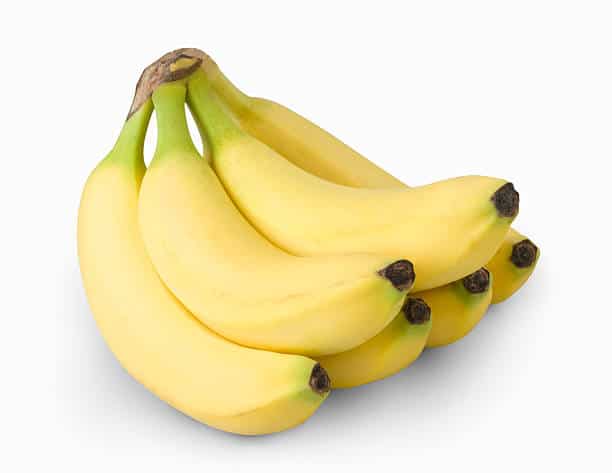
There is no dishonor in admitting that bananas rock on our palates. Bananas are sweet!
But behind the yumminess of that banana flesh is an alarming 17g of sugar and 120 calories. What’s more, a moderately-sized banana boasts as much as 422mg of potassium. This is too much for your body to process if your kidneys are not at their best.
Tropical fruits generally contain high amounts of potassium. You could resort to pineapples. They are not a massive downgrade in the yumminess of bananas, and they have far less potassium.