

If you’ve ever tried to lose weight, you know the hardest part isn’t always knowing what to do—it’s figuring out how to make healthier habits fit into your actual life. Between busy schedules, conflicting nutrition advice, social events and the pressure to see results quickly, it’s easy for a health goal to start feeling like another source of stress.
And while weight loss may be a goal for some people, it doesn’t have to be an all-or-nothing process. You don’t need to completely overhaul your life, follow an extreme diet or spend hours in the gym to start making meaningful changes. In fact, focusing on small, realistic habits that you can maintain over time may be a more sustainable approach than constantly jumping from one restrictive plan to another.
It’s also important to remember that health looks different for everyone. Your goals may include losing weight, improving your blood pressure or blood sugar, having more energy, becoming stronger, sleeping better or simply feeling more comfortable and confident in your body.
If weight loss is one of your goals, taking some of the pressure off can help you stay focused on progress rather than perfection. Here are four ways to make your journey more realistic, enjoyable and sustainable.
1. Be realistic.
You didn’t gain all of those unwanted pounds overnight, right? Well, you’re not going to lose all of them overnight either.
Whether you have 15, 40 or 100+ pounds to lose, it’s going to take some time, so don’t beat yourself up.
You’re only human for goodness sake, so expect a few slip-ups along the way.
And get this: Studies have shown that those who lose weight gradually and steadily are more likely to keep it off in the long run. Start making healthier choices today and watch those pounds melt off.
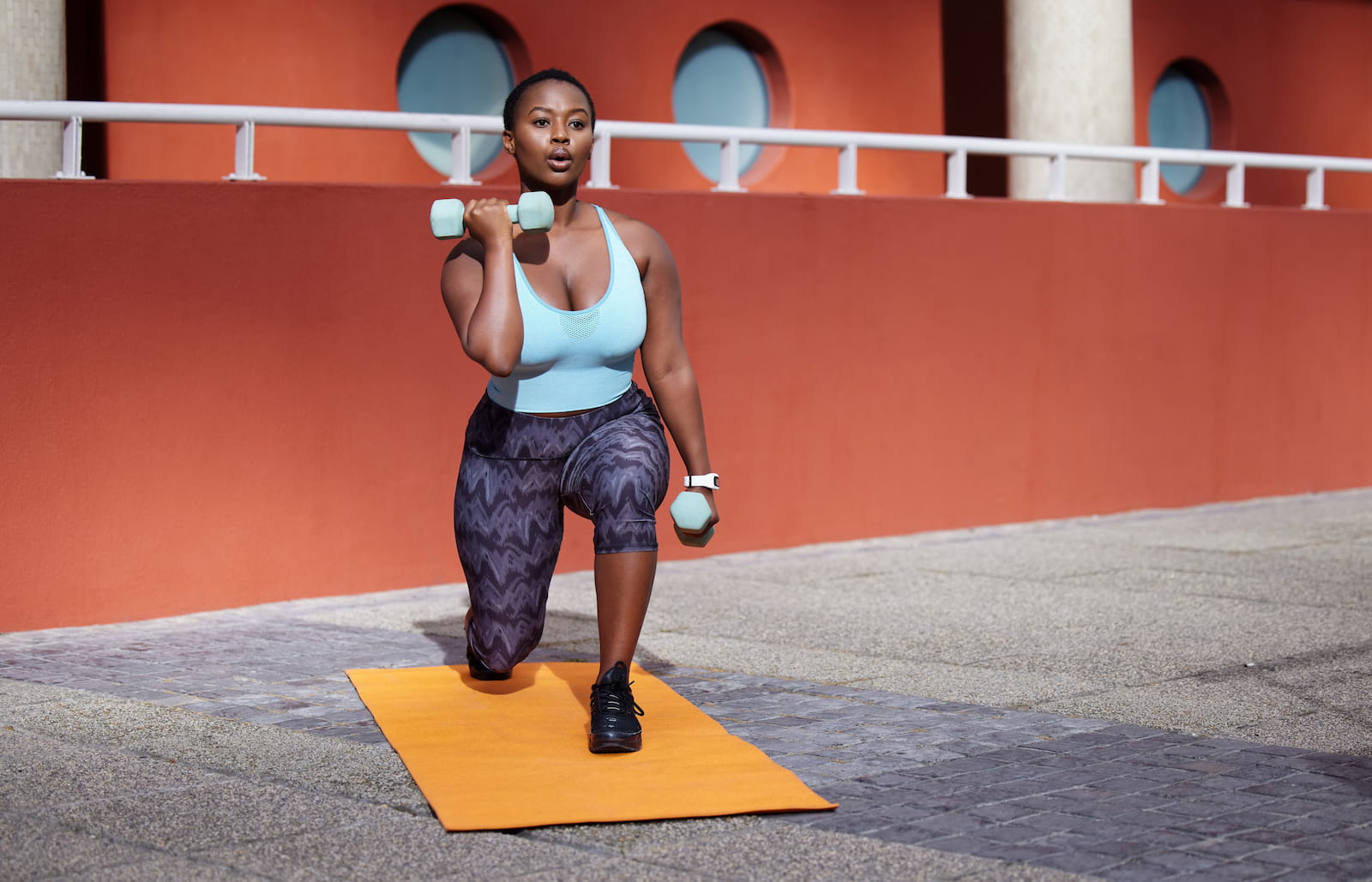
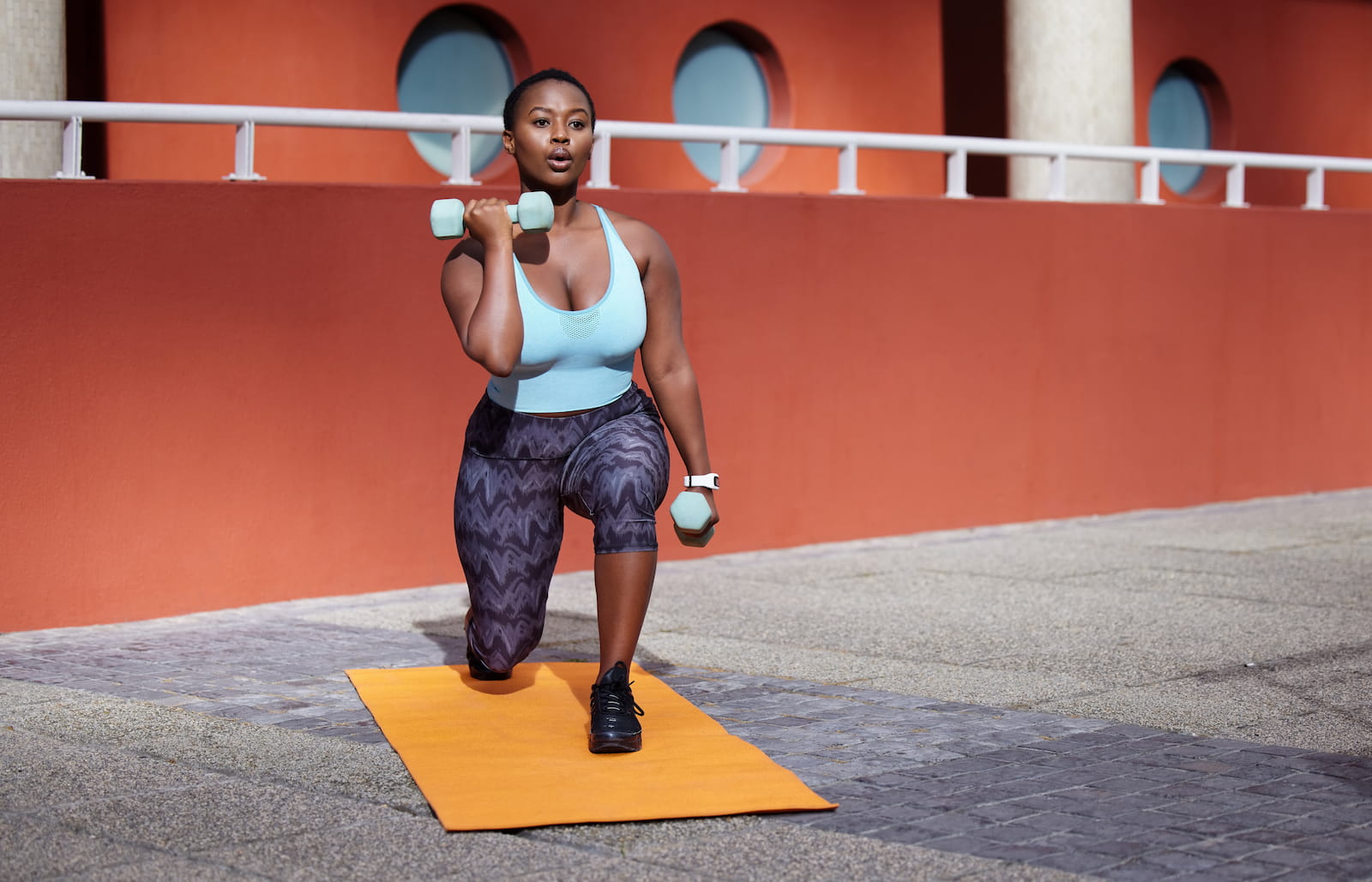
2. Make fitness fun.
Many of us groan at the thought of working out, but exercise doesn’t have to be a drag. Why not spice it up by adding a buddy? You could even throw in a friendly competition by signing up for a group class or taking up a sport.
Also, mix it up! No one wants to do the same exercise routine day in and day out. If the treadmill is your thing, try switching it up by walking around your neighborhood on a nice day. Your workout is what you make it, so make it fun!
3. Eat, Eat and Eat Again
When many people try to lose weight for the first time, they focus on what they cannot eat. But really, when you examine what it takes to lose weight, it’s about what you are eating and not about what you’re not.
Don’t stop eating, just start eating the right foods. Remember the age-old statements, “everything in moderation” and “listen to your body.” Your body will tell you when you’ve had too much; don’t let your mind tell you differently.
4. Do it for yourself.
“Why do I want to lose weight?” “Do I want to improve my health?” “Am I doing it to please others?” “Am I setting realistic goals?” “How will I track my progress?” These are just some of the questions you should be asking yourself before beginning your weight loss journey.
Give Yourself Room to Make Progress
Changing your eating and activity habits doesn’t have to mean putting your life on hold. The goal isn’t to be perfect every day—it’s to build routines that you can realistically maintain when life gets busy, stressful or unpredictable.
Instead of focusing solely on the number on the scale, pay attention to the other ways your body and health may be changing. Maybe you have more energy during the day. Maybe you’re getting stronger, walking farther, sleeping better or making food choices that leave you feeling satisfied instead of restricted. Those wins count, too.
Most importantly, try not to turn one indulgent meal, missed workout or difficult week into a reason to give up. Setbacks are a normal part of making lasting changes. What matters is getting back to the habits that support your goals without punishing yourself for being human.
And remember: You don’t have to lose weight to deserve to feel good about yourself or take care of your health. If weight loss is a personal goal, approach it from a place of self-care rather than self-criticism. If you have significant weight-loss goals or an underlying health condition, talk with a healthcare professional about an approach that is safe and appropriate for you.
There is no single “right” way to improve your health. Start where you are, make changes you can live with, and give yourself permission to focus on progress—not perfection. Your healthiest routine should be one that supports your life, not one that takes it over.