
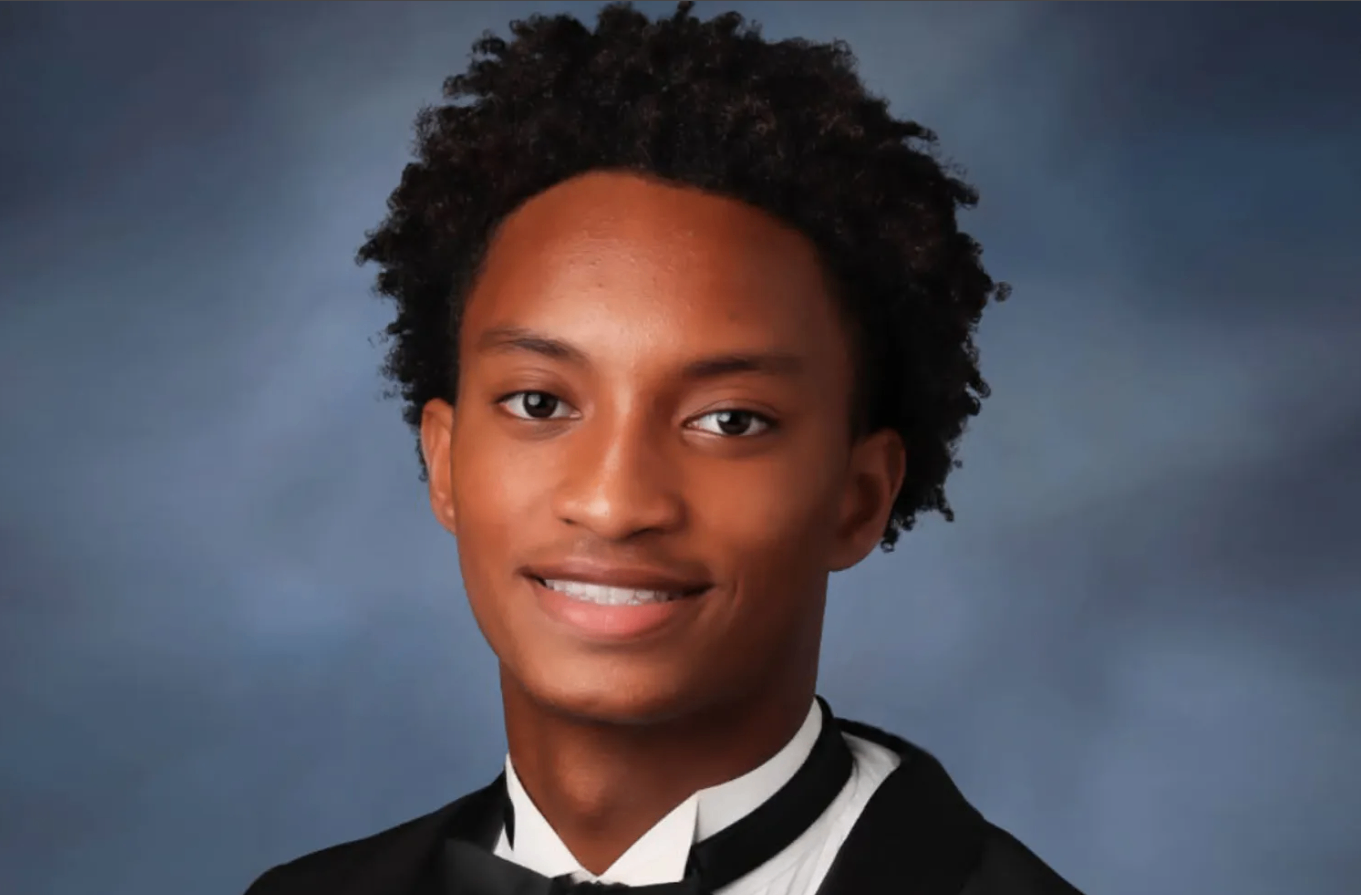
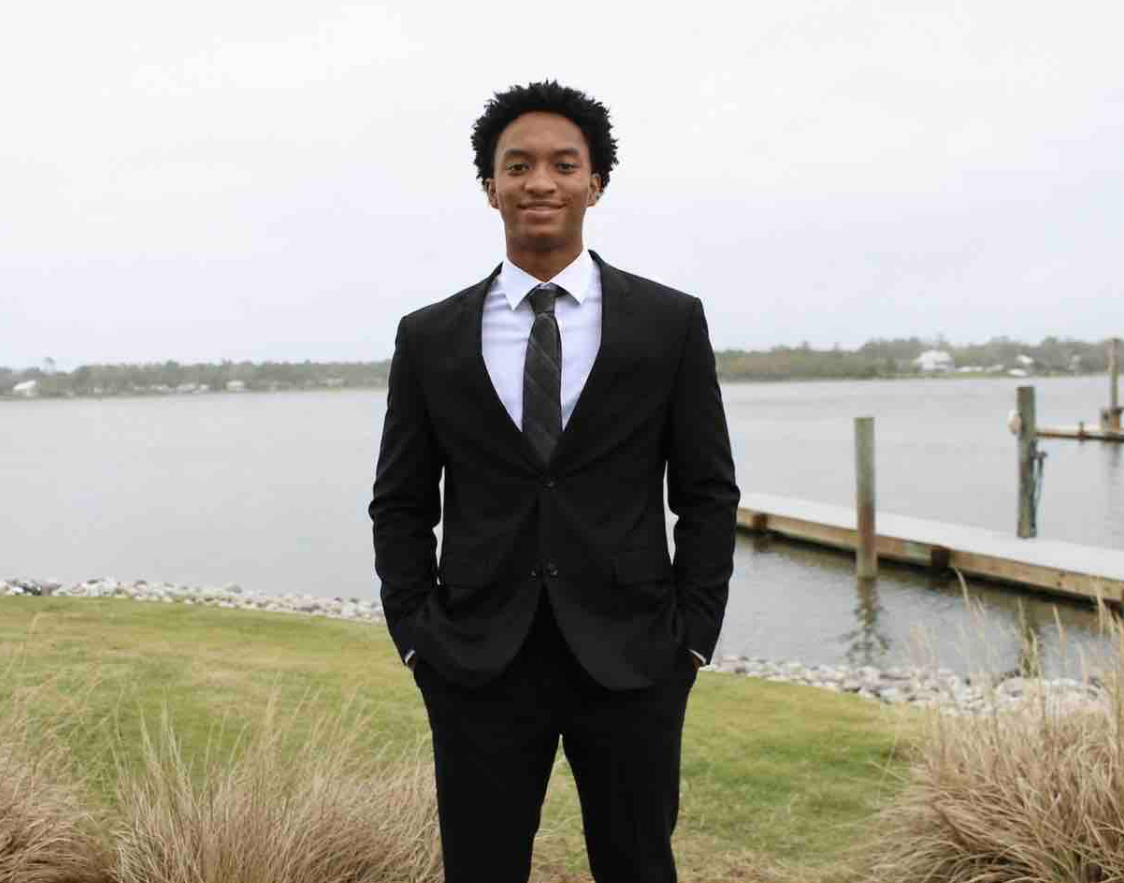
Nearly three months after 18-year-old Nolan Xavier Wells was found dead off the Mississippi Gulf Coast, new details from his state autopsy and cellphone are raising additional questions about what happened in the hours before his death.
The new information comes days after a Jackson County grand jury declined to indict anyone in connection with Wells’ death, finding insufficient evidence of criminal wrongdoing and concluding that the circumstances surrounding the discovery of his body were consistent with drowning.
But on September 24, Wells’ family’s legal team released details from the state’s autopsy report, which classified his cause and manner of death as undetermined and noted no fluid or debris in his airways and an empty stomach. A forensic team working for the family also presented newly recovered information from Wells’ cellphone, including deleted data.
None of those findings establishes what caused Wells’ death.
And that may be the most important thing to understand as the case enters its next chapter.
What the grand jury found
Wells disappeared on July 4 after traveling with friends to Horn Island, a barrier island off Mississippi’s Gulf Coast. His body was recovered from the water two days later.
The circumstances surrounding his disappearance quickly drew national attention, particularly after questions arose about how Wells, who was Black, became separated from the mostly white group he had traveled with and why he did not return to the mainland with them.
The grand jury ultimately found no credible evidence that anyone involved in the trip committed a crime or that Wells’ death was racially motivated.
The grand jury report also details physical findings that have troubled Wells’ family.
According to the report, the state medical examiner documented bruising on Wells’ head, shoulder and buttocks, but none of those injuries was determined to be fatal. The grand jury said it remains unclear how Wells sustained the bruise on the back of his head.
One witness testified that they saw Wells “slip awkwardly” off the side of a boat around the time he was last seen, according to the report, but could not say whether he struck his head.
The grand jury found no evidence of a fatal injury or disease and concluded that drowning was consistent with the available evidence.
Still, the medical finding remains undetermined.
What the Newly Released Autopsy and Phone Data Show
Days after the grand jury declined to bring charges, Wells’ family and their attorneys released additional information they say raises new questions about his death.
According to newly released details from the state medical examiner’s autopsy report, Wells’ cause and manner of death were classified as undetermined. The report also documented two contusions, each about two inches long, on the back of Wells’ head.
The report noted no fluid or debris in Wells’ airways and described his stomach as empty. During a September 24 news conference, attorney Liza Park, a member of the family’s legal team, pointed to those findings while questioning the grand jury’s conclusion that the circumstances were consistent with drowning.
The cellphone analysis has raised separate questions.
Andrew Garrett, a digital forensic expert hired by Wells’ family, said his team recovered more than one million pieces of digital data from Wells’ phone. Garrett said some data had been deleted from the phone after Wells last had possession of it, including Snapchat material.
According to Garrett, Wells last accessed his phone at about 2:18 p.m. on July 4, and the phone remained on the boat when Wells was left on Horn Island. Garrett’s team provided its preliminary findings and later its full report to the Jackson County District Attorney’s Office.
The findings do not establish who deleted the data, why it was deleted, or that a crime occurred. In fact, Crump emphasized during the news conference that the family’s legal team was not accusing anyone of wrongdoing based on the phone findings.
But for Wells’ family, the newly released information adds to a question that neither the grand jury nor two autopsies have been able to answer definitively: What happened to Nolan?
“Consistent with drowning” is not “cause of death: drowning”
That distinction can be confusing, especially when legal findings, autopsy results, and investigator statements are discussed at the same time.
A cause of death identifies the injury, disease, or condition responsible for a person’s death.
The manner of death describes the circumstances surrounding it and is generally classified as natural, accident, suicide, homicide, or undetermined.
An undetermined manner of death is used when the available information does not support one classification more strongly than another after considering the evidence.
Importantly, a medical examiner’s classification is not the same as a legal finding of guilt or innocence.
In Wells’ case, the findings answer different questions without resolving the one his family continues to ask. The grand jury found insufficient evidence of criminal wrongdoing. The evidence it reviewed was consistent with drowning. But the medical examiner was still unable to determine with enough certainty that drowning was the cause of Wells’ death.
The grand jury report itself acknowledged that difficulty, describing drowning in Wells’ case as a conclusion reached through a process of elimination.
Why didn’t two autopsies provide an answer?
When Wells’ family commissioned a second autopsy this summer, they hoped an independent examination would provide more clarity.
Instead, forensic pathologist Dr. Roger Mitchell Jr., former chief medical examiner for Washington, D.C., also classified Wells’ cause and manner of death as undetermined pending further investigation.
Mitchell faced significant limitations.
Wells’ body had undergone decomposition by the time of the independent examination, making some injuries more difficult to evaluate. The independent pathologist also could not examine certain internal neck structures that the state medical examiner had retained.
Mitchell’s preliminary report documented discoloration on the back of Wells’ head that required further investigation. According to the family’s legal team, his final report later identified recent, unexplained blunt-force injuries to the back of Wells’ head and other areas of his back. He said the available evidence did not allow him to rule out nonaccidental factors.
That doesn’t establish that someone hurt Wells.
But the unexplained injuries help explain why his family continues to ask how they occurred.
What does “undetermined” really mean?
For families, the word can sound like the investigation failed, or even like medical examiners are saying nothing happened.
That’s not what the classification means.
The National Institute of Standards and Technology defines an undetermined manner of death as one in which, after considering all available information, the evidence pointing toward one manner of death is no more compelling than the evidence pointing toward another.
Sometimes, even an autopsy cannot provide a definitive answer about how someone died.
Decomposition can erase or obscure evidence. Toxicology may be limited. The circumstances leading up to a death may be unclear. Injuries can be present without revealing precisely how they occurred.
An autopsy is powerful evidence, but it isn’t a replay of someone’s final moments.
That can leave a painful gap between what an investigation suggests may have happened and what forensic medicine can actually establish.
So what happens now?
The grand jury’s decision means no criminal charges will be filed based on the evidence it reviewed.
But the grand jury report also makes clear that the case could be revisited. Mississippi has no statute of limitations on homicide, and the report states that if credible new evidence emerges suggesting Wells’ death was not accidental, the case should be presented to a Jackson County grand jury again.
Wells’ family and their attorney, civil rights attorney Ben Crump, say they intend to keep looking for answers. Following the grand jury decision, Crump again pointed to the unexplained injuries and called on Mississippi to continue investigating. If the state does not, he said the U.S. Department of Justice should investigate.
For families left with questions after an autopsy, next steps depend on the circumstances of the death and the laws where they live. Those steps may include seeking additional records or an independent review.
But there’s no guarantee that another examination, another expert, or more time will produce a definitive answer.
And that may be the hardest part of the Nolan Wells case.
The grand jury has answered one question: Based on the evidence presented, it did not find sufficient evidence to charge anyone with a crime.
For Nolan Wells’ family, another question remains.
What happened to their son?