
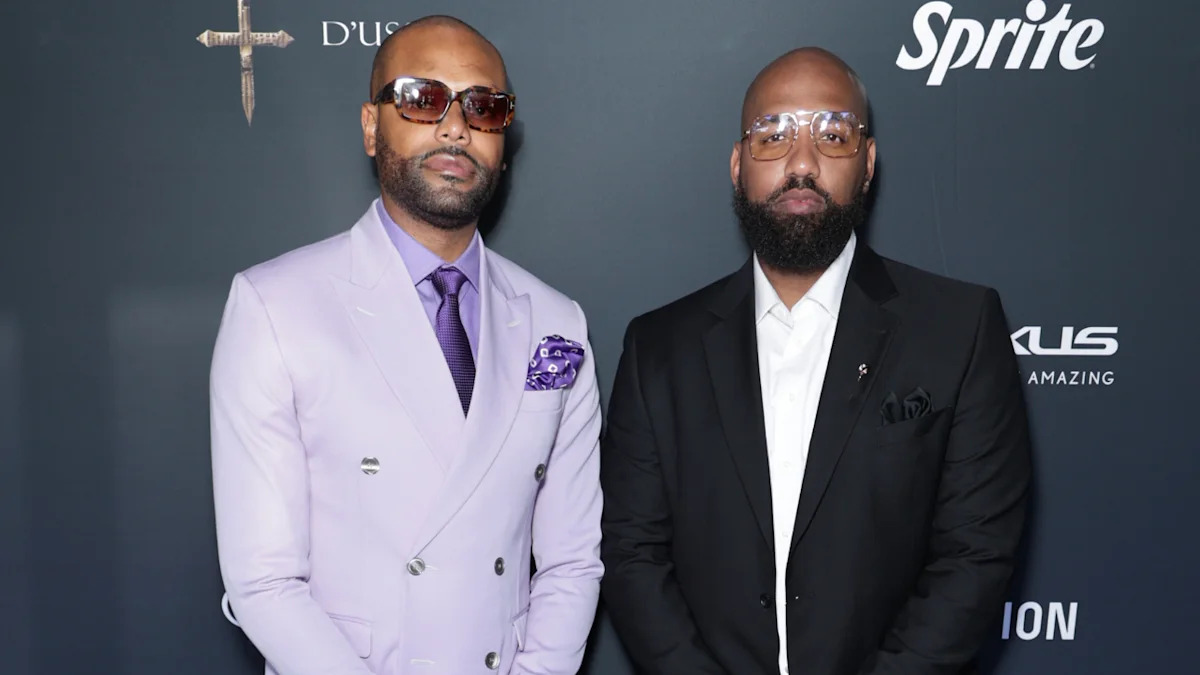
They discuss how financial literacy, entrepreneurship and economic power can help Black communities shape their futures.
Earn Your Leisure co-founders Rashad Bilal and Troy Millings believe financial empowerment can help Black communities build economic stability, create opportunities and gain a greater say in decisions that affect their lives.
Through their financial education platform, the two entrepreneurs have emphasized the importance of investing, entrepreneurship and understanding how economic systems influence political power.
“I feel like at the core of everything, it comes down to economics and financial empowerment. So when one person is empowered, then the community can be empowered, then real political pressure can be put via super PACs and funding campaigns. Then laws can be changed,” Bilal told TheGrio’s Natasha S. Alford and Panama Jackson in an interview.
“The only thing that’s sustainable is money. It’s financial empowerment, it’s economics,” he added.
Millings agreed that economic power matters but emphasized education’s role in helping people understand the systems they are trying to change.
“I think the education part is where it starts, though,” Millings said. “It’s tough to participate in something if you don’t really understand it, whether it’s politics or it’s in socioeconomics or it’s basic levels of financial education.”
He warned that without financial education, Black communities risk falling further behind as technology advances.
“We have to make sure that we’re innovative and we’re creating places and platforms and investing in places and platforms so that we can sustain that economic power,” Millings said.
Financial education is central to Earn Your Leisure’s origins. Millings developed the platform as a summer program while working as a teacher. He noticed the school district’s curriculum lacked financial education and created a program to teach young people about saving, investing, philanthropy, taxes, and credit cards.
Millings and Bilal began recording lessons and sharing them on social media. The project eventually grew into a podcast and other business ventures, bringing financial conversations to a wider audience.
Bilal said the platform also grew out of a gap in conversations about business and finance. He pointed to Black people’s influence in culture, fashion, music, sports and entertainment, arguing that Black people should have a stronger presence in conversations about investing, entrepreneurship and financial empowerment.