


Lower back pain? You’re not alone. Back pain remains one of the most common reasons Americans seek medical care. According to the National Center for Complementary and Integrative Health, low back pain is the leading cause of job-related disability and a major contributor to physician visits in the United States. Additionally, CDC data show that 39 percent of U.S. adults reported back pain within the previous three months, making it the most commonly reported pain site.
Whether you’re experiencing pain related to past epidurals (like myself), recovering from an injury, neglecting to stretch prior to training, or simply feeling “your age,” taking a few ibuprofen (a nonsteroidal anti-inflammatory drug) to the head isn’t the end-all for relief. In fact, experts have approved countless natural remedies to alleviate pain.
Here are some top picks:
1. Have an anti-inflammatory drink
When you regularly consume anti-inflammatory foods and drinks, several antioxidants, anti-inflammatory compounds, and even anti-cancer agents can build up in your blood. These agents can reduce, and possibly even eliminate, inflammatory reactions in the body.
Not sure where to start? Check out these recipes.
Turmeric milk
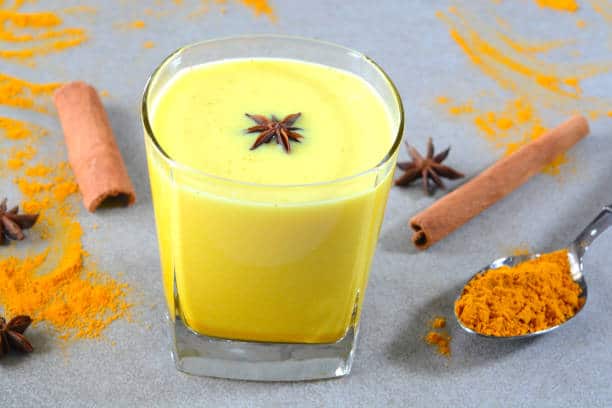
Turmeric is an Asian spice that contains antioxidant, anti-arthritic, and anti-inflammatory properties.
Method: Mix a small quantity (1/2 teaspoon) of turmeric powder in a glass of warm milk. You can add honey or stevia to the milk if you prefer a sweet taste. Consume this drink, preferably just before bedtime, to allow the anti-inflammatory process to work while you sleep.
If you don’t consume dairy, this recipe can easily be substituted with plant-based milk, such as almond milk.
RELATED: Don’t Risk Your Discs! 5 Tips That Will Save Your Back
Tart cherry juice

Because cherries are rich in antioxidants and anti-inflammatory agents, consuming cherry juice can help relieve muscle pain. Try drinking a glass of cherry juice on a daily basis; it may do wonders for your back pain.
Ginger-green tea

Infused herbal drinks, such as ginger-green tea, contain the pain-relieving benefits of both green tea and ginger.
Including these drinks in your daily diet will help reduce overall inflammation and prevent new inflammatory pain.
2. Get a restful night’s sleep
A night of restorative sleep can have healing benefits and make you feel refreshed, rejuvenated, and less stressed. Your back will also feel less sore the next day.
3. Avoid putting stress on your joints
When you experience a flare-up, try not to overexert yourself. You can do this by partaking in less exertive activities, such as reading a book, listening to music, or crafting. Not only will these activities help divert your mind from the pain, but they will also let your back rest at the same time.
RELATED: Prevention & Relief: 7 Exercises for Back Pain
4. Try yoga
Sometimes a simple yoga stretch can improve the health of your muscles and joints, and increase the flexibility of your spine.
Perform the stretches, only advancing if you feel comfortable and without pain. With time, you will be able to add more stretches to your routine. Stretching first thing in the morning is a good idea, as it will help loosen your spine and also reduce stiffness and aches in your back.
5. Try meditation
Meditation improves concentration, releases feel-good hormones (endorphins), and decreases anxiety and stress. This will help you control the way your body perceives pain.
The best way to meditate is in a dark room for five to 10 minutes in the morning. Meditating before bedtime or during a break at work will also work. Breathing exercises are a great alternative if meditation isn’t your thing. Start by taking 10 deep, slow breaths in a row.
6. Exercise in a warm pool
Exercising in water is great because you’ll get the same benefits as regular exercise, but with less pain. Exercising in water is also great for regulating the functioning of nerves and muscles, relieving pain.
7. Keep a heat patch handy
Heat patches that activate when in contact with your body are a great tool to carry with you during long drives or long hours in your office.
These heat patches are convenient because they activate quickly and can be worn inside your clothing, providing you with a continuous supply of heat to relieve your back pain. You can even find heat patches that are infused with medications for more effective pain relief.
When using these, remember to follow the package instructions and avoid wearing the patch for long durations. This will prevent skin damage.
When Should You Seek Medical Care for Back Pain?
You might find that natural remedies, gentle movement, or healthy habits help ease your lower back pain. But here’s the thing: not all back pain is the same, and what helps someone else might not work for you. If your discomfort sticks around, don’t brush it off.
If your back pain hangs on for more than a few weeks, keeps coming back, gets in the way of your daily life, or just won’t let up even after you’ve tried home remedies, it’s time to check in with a healthcare professional. A doctor or physical therapist can help you figure out what’s really going on and work with you to find a treatment plan that fits your needs.
If you notice any red flags along with your back pain, don’t wait to get help. Go to the emergency room if you suddenly lose control of your bladder or bowels, have trouble peeing, feel numbness in your groin or buttocks, or notice new or worsening weakness in your legs. These can be signs of something serious that needs attention right away. You should also reach out to your doctor quickly if your back pain started after a big injury, or if you have a fever, unexplained weight loss, or a history of cancer.
Most importantly, don’t let anyone tell you that back pain is just a normal part of getting older. Sure, a little stiffness happens, but you don’t have to just put up with pain. There are plenty of ways to help you move easier and feel better.
Here’s what matters most: listen to your body, move in ways that feel good, make sleep a priority, and try out natural options if they appeal to you. Just keep in mind that things like turmeric milk, tart cherry juice, meditation, or heat patches might help you feel better, but they aren’t magic fixes for what’s causing your pain.
Your back deserves real care. When you mix healthy habits with support from your doctor or therapist, you give yourself the best shot at managing your symptoms, staying active, and getting back to the things you love.