
As Jay-Z once rapped, numbers don’t lie. But what happens when the data is skewed?
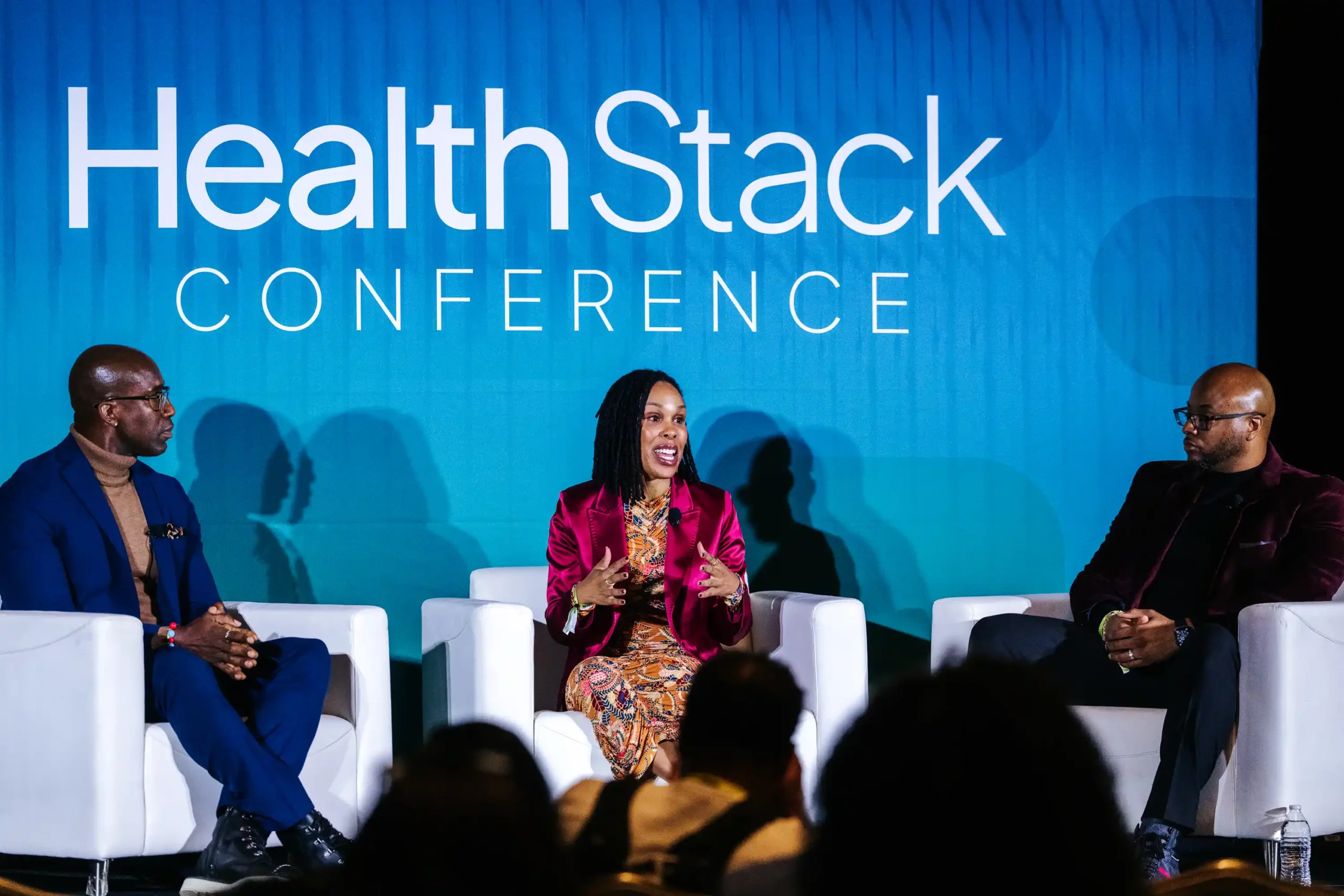
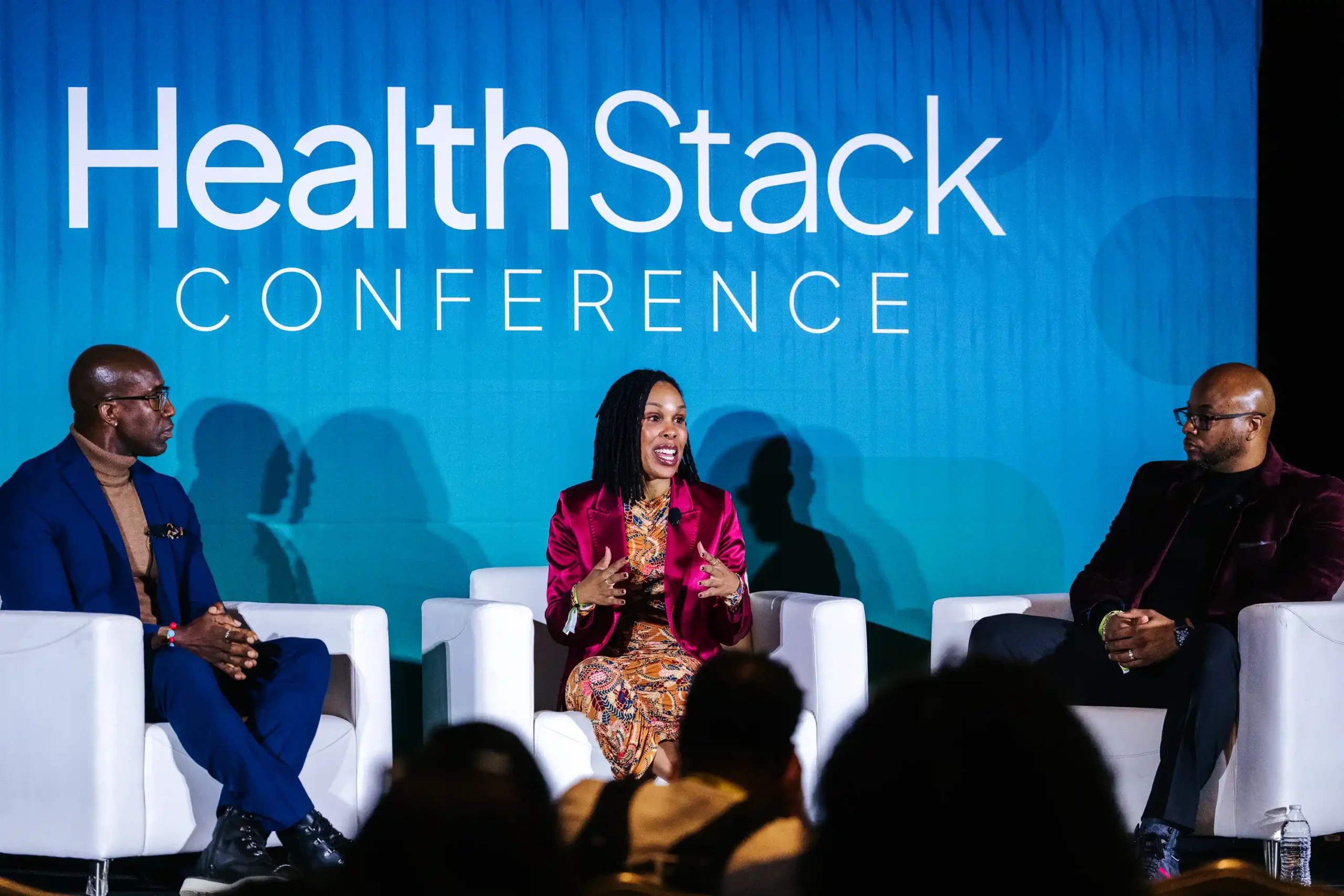
During the HealthStack Conference portion of the 2026 AFROTECH™ Conference, journalist Segun Oduolowu sat down with two health care professionals for a panel titled “Bad Data Is Costing Black Lives” to discuss how flawed data harms Black patients and how to push back on a health care system they say has long practiced systemic racism.
The AFROTECH™ Conference is celebrating its 10th anniversary in Houston. The conference runs through Friday, Nov. 6, and tickets are still available for the rest of the week.
How has bad data affected the Black community in the past?
“I’m not sure if people remember during the early days of the pandemic, the issues that came up with the pulse oximeters,” said Dr. Uché Blackstock, founder and CEO of Advancing Health Equity. “So, those are the devices that are used in every physician’s office, every hospital, that measure the oxygen level of people’s blood, and so what’s interesting is that the FDA had known for around 30 years that these pulse oximeters were not accurately measuring oxygen levels in people with melanated skin.”
She added, “As a practicing physician, I was not informed of that. So essentially, what we found during the early days of the pandemic was that people with melanated skin were denied care because their oxygen levels did not qualify them for treatment, and that was because the data that has been used to calibrate this technology was not inclusive. Essentially, [only] using white skin, and so we saw how using non-inclusive data cost people’s lives.”
Dr. Charles R. Rogers, founder and chief advisor of Rogers Solutions Group, echoed that sentiment.
“Black people were dying because they had essential worker jobs. Historically, Black folks tend to live in multi-generational homes, so people had to go to work,” Rogers said. “They came home bringing COVID to their families, wiping out, you know, generations, and there was such an eager urge to restart America. The term that was being used back then was to make sure our economy could get put back on track, where instead the correct data should be used to put the funds and the policies made to actually put those funds toward more public health interventions and more pandemic mitigation strategies, so all that, alone, confirms that essential workers’ lives were never essential in the first place, and in order for policy to actually make a difference, we have to make sure that the data is disaggregated, or not clumped, by race and ethnicity, actually changed in terms of being put forward at the state and county levels, because otherwise the resources are not going to go into Black and brown communities to literally help us live longer lives.”
How do we get into the testing?
In the pulse oximeter example Blackstock described, the technology was calibrated using data from white skin. So how do Black people get included in testing?
“That’s definitely the question of the hour, and I think that there’s no simple answer to that; there are many layers to it,” she said. “I always talk about the framework for thinking about trust in organizations and institutions. And so one aspect of that is the fact that trust is not only about messaging, but it’s part of infrastructure about how we think about how organizations function, and one is access.”
“Making sure that people have access to the services, the resources that they need. Another piece of it is dignity; people want to know when they’re interfacing with the healthcare system, whether it’s for a clinical trial or whether it’s going to get checked out – that they feel seen and heard, and that their concerns are not minimized. And then another piece is accountability. Who will be held accountable? Finally, thinking about reliability, like if I do this multiple times or interface with this healthcare system or I go into this trial, am I going to be treated well every time?” she continued.