

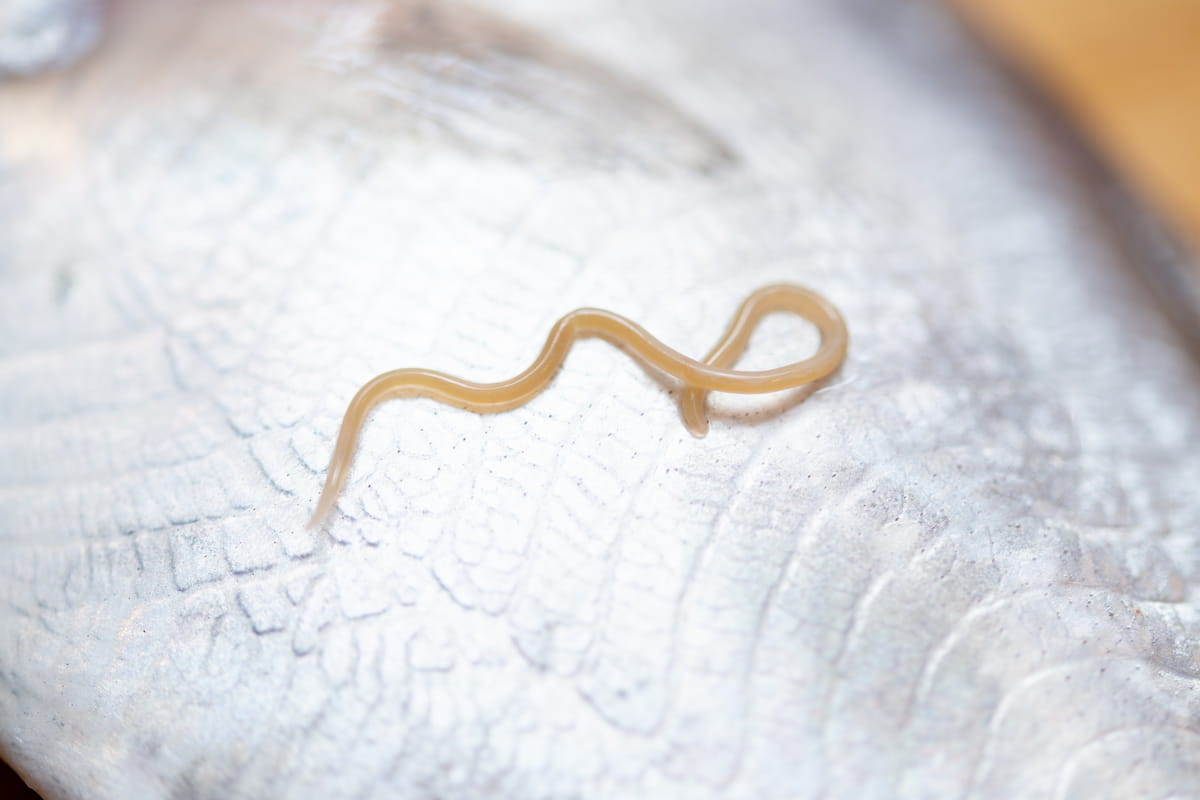
Health officials are investigating a growing outbreak of a parasite that can cause severe, watery diarrhea often described as “explosive.” The illness, known as cyclosporiasis, is caused by the microscopic parasite Cyclosporiasis, which infects people after they consume contaminated food or water. The outbreak has already sickened hundreds of Americans and led to dozens of hospitalizations.
The culprit is a parasite called Cyclospora cayetanensis. Unlike many stomach bugs that spread from person to person, Cyclospora infections typically occur after eating fresh produce or drinking water contaminated with human waste. Investigators from the CDC and FDA are still trying to determine the source of the current outbreak.
Symptoms to Watch For
Symptoms usually begin about one week after exposure, although they can appear anywhere from two days to two weeks later. The hallmark symptom is severe watery diarrhea that may come on suddenly and repeatedly throughout the day.
Other symptoms include:
- Frequent watery or explosive diarrhea
- Stomach cramps or abdominal pain
- Bloating
- Excessive gas
- Nausea
- Loss of appetite
- Fatigue or extreme tiredness
- Weight loss
- Low-grade fever
- Headaches
- Body aches
- Vomiting in some cases
Without treatment, symptoms can linger for weeks or even more than a month, often improving and then returning again. This can lead to dehydration, especially in children, older adults, and people with weakened immune systems.
Which States Have Been Affected?
As of early July, the CDC has confirmed cases in at least 17 states, with additional investigations underway as new cases are reported. The states reporting the largest numbers of infections include:
- New York
- Texas
- Illinois
- Michigan
The Michigan Department of Health and Human Services confirmed Thursday that there are now more than 300 cases of Cyclosporiasis reported in Michigan since June 22.
On Friday, two Michigan mothers sharied their experiences after being diagnosed with cyclosporiasis.
Destiney Shaw is one of those confirmed cases.
“I had the worst stomach-ache of my life. I literally thought I was going to see the light,” Shaw said.
Shaw initially hoped her symptoms would resolve on their own.
“I honestly couldn’t keep anything down. Food or water,” Shaw said.
Her condition worsened until dehydration forced a trip to the emergency room.
“Because I was so dehydrated, they had me go to the emergency room to get IV fluids, and that’s when they formally diagnosed me,” Shaw said.
Additional affected states include:
- Tennessee
- Florida
- Colorado
- Pennsylvania
- New Jersey
Michigan has been hit especially hard, reporting more than 300 confirmed cases in recent weeks — far above its normal annual total. New York currently leads the country in overall case counts among the initial CDC reports.
How Does the Parasite Spread?
Cyclospora is most commonly linked to:
- Fresh berries
- Cilantro
- Basil
- Lettuce and salad mixes
- Snow peas
- Contaminated drinking water
The parasite must spend time in the environment before becoming infectious, which means direct person-to-person spread is considered unlikely. Most infections occur from eating contaminated foods rather than contact with an infected individual.
How to Protect Yourself and Your Family
While investigators work to identify the exact source, there are several ways families can reduce their risk:
Wash produce thoroughly
Rinse fruits and vegetables under running water before eating, even if the packaging says they are pre-washed.
Wash your hands often
Use soap and water for at least 20 seconds, especially before preparing food and after using the restroom.
Be cautious with raw produce
People with weakened immune systems, older adults, and pregnant women may want to avoid raw produce from unknown sources during active outbreaks.
Drink safe water
When traveling or if water quality is uncertain, use bottled or properly filtered water.
Stay hydrated
If symptoms begin, drink plenty of fluids containing electrolytes to prevent dehydration.
Seek medical attention if symptoms persist
Doctors can diagnose cyclosporiasis through stool testing, and many patients respond well to antibiotic treatment, particularly with medications containing trimethoprim-sulfamethoxazole.
When Should You Call a Doctor?
Seek medical care immediately if you experience:
- Diarrhea lasting longer than several days
- Signs of dehydration such as dizziness or reduced urination
- Bloody stools
- High fever
- Severe abdominal pain
- Symptoms in a young child, elderly adult, or immunocompromised family member
While no deaths have been linked to the current outbreak, more than 20 people have required hospitalization due to severe symptoms and dehydration. Health officials expect additional cases to emerge as the investigation continues.
As summer produce season ramps up, experts say awareness, proper food handling, and prompt medical attention remain the best defenses against this unpleasant — and highly disruptive — parasitic illness.