Two teenagers have been arrested and hit with charges associated with a failed plan to steal $66 million worth of crypto assets from a home in Scottsdale, Arizona. The two teens are said to have traveled to the home from California on a more-than 600 mile road trip.
According to FOX 10 Phoenix, investigators on the case believe the two teens, identified as Jackson Sullivan and Skylar Lapaille, were extorted into attempting the crypto theft by another two individuals only known as “Red” and “8” on the secure and private messaging app Signal. The pair of prospective thieves were reportedly provided with the target’s information and $1,000 to put towards materials that would be used in the theft. Materials collected by law enforcement from the alleged thieves included a 3D-printed gun, although it had no associated bullets and it was unclear if it was functional.
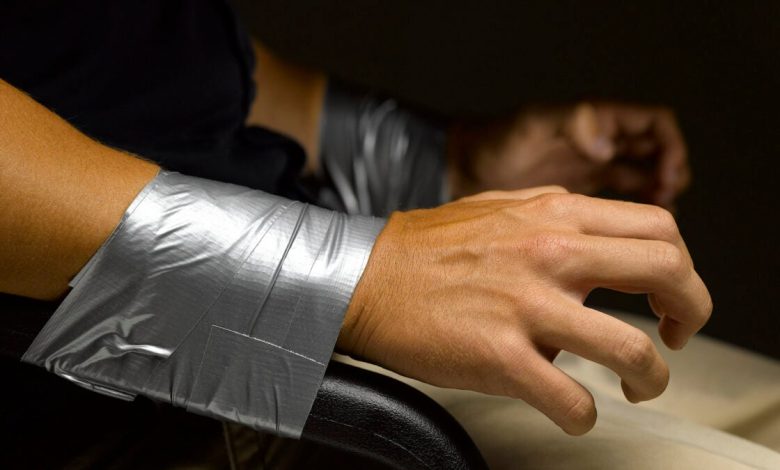
Notably, the teens are said to have initially posed as delivery drivers when approaching the home, which echoes a previous $11 million crypto theft that occurred in the Mission Dolores neighborhood of San Francisco last year. Much like that case, Sullivan and Lapaille are then said to have entered the home and restrained their victims with duct tape.
According to a report in Fox News, police were alerted to the plot by one of the teens’ mothers, who called the police after discovering related messages on her son’s phone. A person within the home during the invasion is also said to have been able to contact law enforcement for assistance. Both teens are now out on $50,000 bail with ankle monitors used to track their whereabouts.
Due to the extortion angle, the event sounds like a real-life version of an episode of the television series Black Mirror titled “Shut Up and Dance.” In the episode, a teenager is filmed in a compromising position from his laptop by a hacker and is then coerced into completing a number of real-world tasks under the threat of a compromising video being released to his friends, family, and the rest of the world.
There is also a common Bitcoin email scam associated with this type of extortion where the sender claims to have a video they will reveal to the world if funds are not sent to a specific Bitcoin address by a certain date. Of course, there is no actual video, and the intent is to simply scare victims into sending bitcoin.
🚨 SERIOUS PSA 🚨
If you are a doxxed bitcoiner or crypto person in France.
LEAVE. GET OUT.
Wrench attacks everyday. My friends are affected.
Si t’es dans le bitcoin ou crypto dont tes informations personnelles ont été divulguées en France.
PARTEZ.
— Joe Nakamoto ⚡️ (@JoeNakamoto) February 5, 2026
Physical crypto thefts, often referred to as “$5 wrench attacks,” have become an increasingly prevalent issue over the past couple of years, with data indicating that 2025 was the biggest year for this type of crime on record. In the same week that this most recent notable incident occurred, celebrity gossip outlet TMZ received a ransom letter allegedly associated with the Nancy Guthrie kidnapping that demanded an undisclosed amount of bitcoin be sent to a particular address. However, this letter was later found to be an attempt to exploit the situation around the kidnapping, and the alleged perpetrator is said to have been unrelated to the Nancy Guthrie situation, according to Fox News.
Various data breaches—such as the personal data leak of individuals who purchased crypto hardware wallets from Ledger and the situation in France where a tax agent is alleged to have sold personal information of crypto holders to criminals—are becoming a serious problem when it comes to the security of digital cash that cannot be reversed by a third party once it has been sent. Of course, this irreversibility goes out the window when it comes to centrally-issued stablecoins like Tether and “decentralized finance” DeFi apps that have their own centralized safety nets for emergency situations. That said, there are also ways to distribute trust to multiple parties without giving up the financial self sovereignty associated with bitcoin through wallets that take advantage of features like multisignature addresses.