
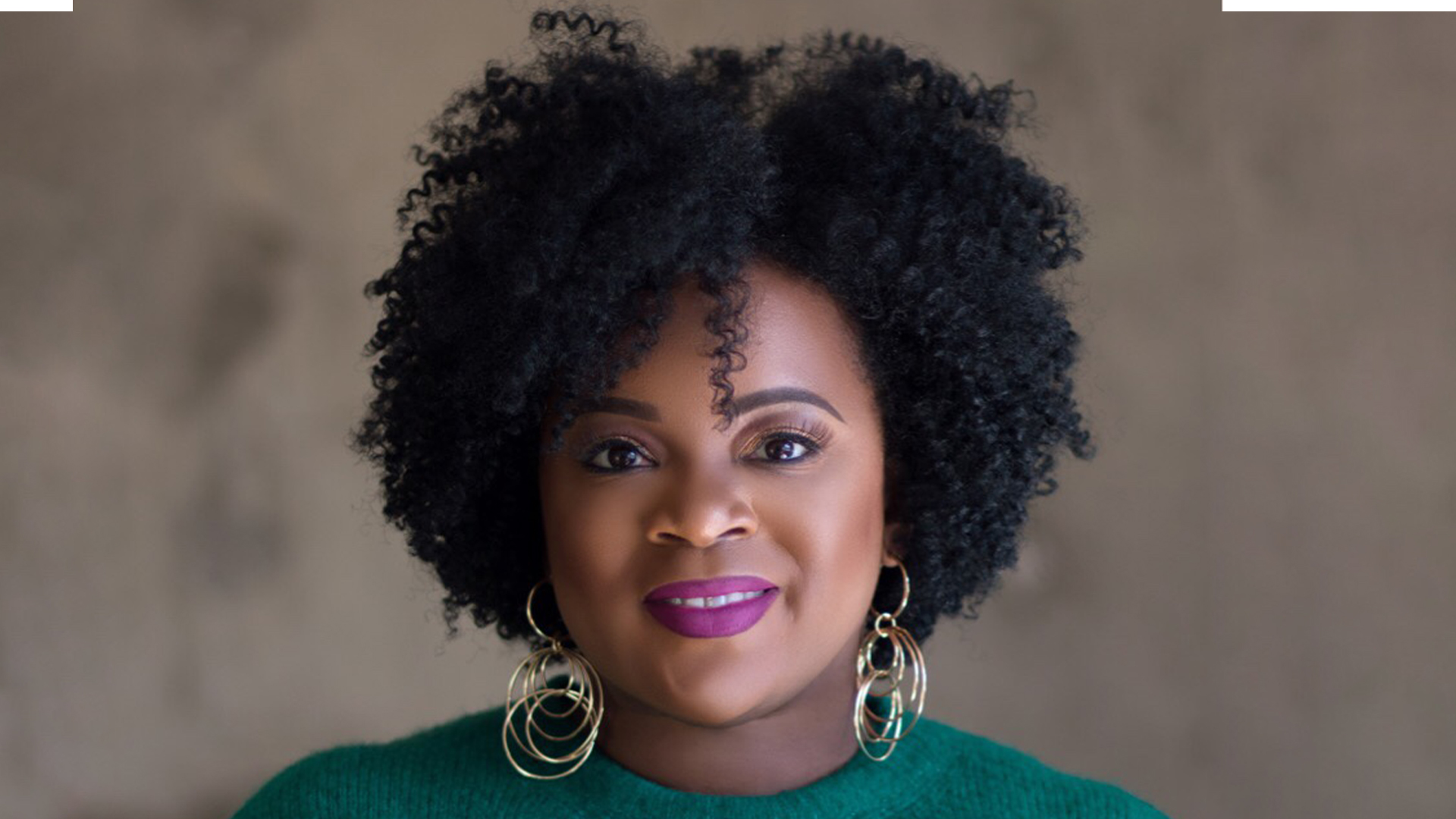
Founder Julian Addo is fighting to maintain control of her beauty company, Adwoa Beauty, amid mounting legal and financial challenges.
Addo launched Adwoa Beauty in 2017 and has retail partnerships with Sephora in the United States, United Kingdom, and Canada, as well as Cult Beauty UK, Amazon, and its direct-to-consumer website. In 2022, it raised $4 million in seed funding from Pendulum Holdings, according to Forbes. In an interview with AFROTECH™, Addo said funding was exhausted within three years and acknowledged strategic missteps, including overspending on packaging and failing to build the right team to scale.
She said those financial pressures intensified when the company sought bridge funding. According to Addo, the initial terms offered by an investor were “super unfavorable,” prompting her to decline them. But after unsuccessfully raising capital elsewhere, the company returned to its only investor. However, it was too late, and the investor acknowleged “there’s no more money left in the fund,” she told AFROTECH™.
That led Adwoa Beauty to seek purchase-order financing through Aurous Financial Services LLC in late 2024 to fulfill large retailer orders and continue scaling inventory production. The agreement was finalized by January 2025. Under the structure, Aurous financed production while Versant Funding factored invoices on shipped goods, she wrote on Substack. Retailers would pay Versant, which then would pay Aurous.
The agreement required retailer customers to receive a 9-406 payment direction notice, redirecting payments to the factor instead of Adwoa Beauty. The lenders also filed a UCC-1 financing statement, creating a security interest over all assets and limiting the company’s ability to work with other lenders or partners, unless terminated, per the Substack.
Addo told AFROTECH™ the financing initially appeared to be a practical solution because it moved upfront manufacturing costs off the company’s balance sheet.
“Boy was I wrong,’” she said.
According to Addo, after the first shipment was sent in March 2025, “it was fire from there.” She alleged that the lender refused to pay for a final shipment unless she signed a warehouseman’s lien in August 2025. She also noted that lenders had funded only three products, while everything else in the warehouse belonged to Adwoa Beauty and risked going to waste.
“They refused to pay for the balance of the shipment unless I gave them access to my warehouse, unless I gave them permission to go into my warehouse and seize our inventory,” Addo explained.
In September 2025, the lenders filed a lawsuit in New Jersey, which tied up Adwoa Beauty’s inventory and retailer payments, she said, leaving the business without access to revenue or product.
The manufacturers were later released from that lawsuit.
By Oct. 31, 2025, Addo filed for Chapter 11 Subchapter V bankruptcy protection, a process designed for small-business reorganization. This should also have terminated the agreement with Versant, as Versant’s principal Mark Weinberg confirmed in an email, per the Substack.

However, Addo said the situation worsened after Sephora released $170,636 to Versant on Nov. 12, funds she believed should have gone to the bankruptcy estate following the company’s Chapter 11 filing or remained pending court direction.
“That really crippled the business,” Addo told AFROTECH™, adding that the company had already been operating for three months with “no revenue and no product.”
“The lender tied our hands, we couldn’t defend ourselves. Even how we were able to retain an attorney is a miracle. And I think, just the predatory lender practices that happen standard within business and lenders playing on the vulnerability of companies, especially Black-owned companies,” Addo said.
The legal fight has made it increasingly difficult to continue operations, she noted, adding that if Adwoa Beauty had been able to continue shipments, the balance could have been paid down naturally.
Additionally, Addo said she did not pay herself for most of 2025.
She turned to community fundraising and website sales to keep the company alive. However, in a motion to push for the bankruptcy to be converted to Chapter 7, or liquidation, Aurous Financial Services said the fundraise was “outside the ordinary course of business” and used it as evidence “that the company cannot be saved because of it,” she wrote on Substack.
“The lender is using pressure tactics and money because it costs me money to go into court,” she explained to AFROTECH™.
In April 2026, Addo was also denied the use of cash collateral, forcing Adwoa Beauty to pause operations. More than 250 paid customer orders are on hold, she noted on Substack. This has led to chargebacks from them with $15 in fees per transaction and reputational harm, she said.
In the ruling, the business was also ordered to make $5,000 in adequate protection payments to Aurous, which Adwoa had been making weekly since March 1, “without missing a single one,” Addo wrote on Substack.
She claimed Aurous was originally owed about $280,000 before bankruptcy. Instead, she said the lender later submitted a claim for $363,000, including interest accruing at $900 per day and attorney’s fees. Since the Chapter 11 filing, Addo also said the estate paid $212,000 to Aurous and $19,245 to Versant Funding. The money was intended for inventory replenishment, allowing the company to continue generating revenue, protect creditors, and support its reorganization efforts, according to Substack.
At an April hearing, she said Aurous told the court the balance had increased to $375,320, including post-petition attorney fees, interest, and principal.
Another hearing is scheduled for May 1 and will be open to the public. Addo told AFROTECH™ a Chapter 7 liquidation is likely.